
Staying current with the latest generation mining rigs is one of the most important steps for anyone who plans to build steady and predictable mining performance in a competitive network environment. The market shifts quickly, and each new hardware release moves the efficiency curve forward. As a result, miners often face the challenge of balancing capital costs with long term operational planning. When you understand how new hardware changes profitability, energy draw, uptime expectations, and fleet management, you gain a clearer sense of when an upgrade cycle makes practical sense. Modern miners depend on constant improvement because every increase in network difficulty requires more total high speed guess and check attempts. This proof of work, also known as PoW, creates predictable pressure on hardware capability. As new models emerge, their increased efficiency allows miners to maintain similar output at a lower power cost, or push toward higher output while sustaining acceptable operating margins.
The latest generation mining rigs deliver improvements that extend beyond simple power efficiency. They often feature more consistent thermal behavior, better chip binning, and improved reliability during continuous 24, 7 operation. These traits matter because downtime drags on fleet output and pushes ROI timelines further into the future. Miners who upgrade to new units notice the smoothness of overall operation, especially when chip stability is combined with advanced firmware tuning. Hardware such as the Antminer S21 or Whatsminer M60 series, available from BitcoinMinerSales.com, demonstrates how efficient architecture allows a system to process a larger volume of PoW attempts without unnecessary excess heat. With power costs set at $0.085 per kWh in most retail scenarios, these improvements gain importance. Even small electricity reductions accumulate into meaningful margin improvements over long operational windows.

Understanding What Makes a Miner “Next Generation”
The term “latest generation mining rigs” refers to devices that offer a measurable jump in performance per watt relative to previous equipment. These jumps usually result from more efficient ASIC chip architectures. Many designs push for reduced leakage, refined chip layout, and smarter heat management. In practice, this combination lets a miner sustain more terahashes per second at the same energy draw. These improvements translate into higher work output during each PoW cycle since each hash is a high speed guess and check of large numbers searching for a target value. When miner firmware can maintain this output consistently, ROI projections become easier to model.
In today’s market, new devices also introduce more stable power supplies, expanded safety guardrails, and more modular repair components. These details matter because miners running large fleets often struggle with the operational drag caused by maintenance cycles. When a next generation rig reduces the need for frequent repairs, the fleet owner gains steady uptime that supports more predictable revenue. For example, a miner running a 120 TH unit at $0.085 per kWh may earn an illustrative daily return contingent on network difficulty, pool fees, and coin price. If that unit maintains steady uptime due to higher quality engineering, the owner avoids the compounding loss caused by offline hours. In addition, some of these models run quiet enough to fit in smaller scale setups. Those upgrading from older units often feel the difference in noise profile, airflow balance, and day to day stability.
How to Evaluate Latest Generation Mining Rigs in Real Conditions
Evaluating new hardware requires more than simply checking a spec sheet. Miners must look at real world performance during sustained PoW activity. Tests should include power draw under load, thermal spread, chip behavior, and idling losses. Some miners also check how firmware responds to sudden temperature changes because these mimic real facility conditions. For instance, when a rig ramps into a colder intake airflow, dips in temperature can affect hashboard timing. A well engineered device maintains stable output curves. Buyers often inspect these patterns when considering hardware available from BitcoinMinerSales.com because stable, predictable lines lead to better operational planning.
Whenever evaluating equipment, it is important to calculate ROI with realistic assumptions. An illustrative ROI example might consider a miner drawing 3000 W at $0.085 per kWh. Over a full 24 hour cycle, that miner consumes 72 kWh. At the default retail electricity rate, that electricity costs $6.12 per day. If the miner generates revenue above that threshold based on hash rate and network difficulty, the operator gains a margin. In fast changing conditions, difficulty increases or decreases affect the payout curve. Miners should revise projections consistently. Since enterprise clients may qualify for reduced rates, contact BitcoinMinerSales.com for available power pricing programs. These dynamics become more manageable when fleets include the latest generation mining rigs since their efficiency reduces daily operating costs without requiring major facility changes.
Why Hardware Cycles Matter for Modern Miners
A consistent upgrade cycle supports long term mining performance. Old equipment tends to decay faster and generate more heat, which leads to higher thermal stress and unpredictable downtime. This problem escalates when network difficulty continues to climb. Miners using older equipment find it harder to keep up because each PoW cycle demands more guesses per block as competition increases. Upgrading to new units such as Antminer S19k Pro, Whatsminer M50 series, or more advanced designs available from BitcoinMinerSales.com allows operators to stay in step with network growth. Each generation offers better efficiency metrics, giving miners more competitive footing during periods of compressed margins.
During hardware refresh cycles, many investors consider fleet standardization. Running uniform devices allows easier maintenance and monitoring. When identical miners sit in the same racks, airflow and cable mapping remain predictable. Standardization also lowers spare part inventory requirements because identical components fit all devices. Since most hosting facilities appreciate consistent hardware, this approach benefits operators using hosting and colocation through BitcoinMinerSales.com. Facilities can plan airflow distribution, circuit load, and monitoring rules more easily when fleets remain consistent. When miners adopt the latest generation mining rigs across their racks, they position themselves for predictable multi year operation.
The Practical Cost of Heat, Noise, and Maintenance
Heat is one of the most expensive byproducts of mining. Devices convert a large percentage of consumed power into thermal output. When miners operate older equipment, hot spots develop, and exhaust systems encounter strain. Newer generation rigs manage heat more efficiently because they use refined chip layouts and advanced cooling channel designs. With lower heat output, fans operate with less stress, leading to fewer failures. Since fan failures often cause downtime, the improved reliability of next generation miners translates into steady hours of productive PoW work. In a fully loaded mining environment, heat consistency matters because it influences how the entire facility breathes.
Noise also contributes to the operator experience. Many miners underestimate how challenging it becomes to maintain operations when older devices produce high pitch turbulence. The latest generation mining rigs often introduce smoother airflow geometry, resulting in lower acoustic signs during operation. Users who run units in small scale settings appreciate this improvement. Even in data centers, reduced turbulence helps maintain predictable environmental control. These improvements indirectly affect ROI since comfortable operation lowers the need for expensive acoustic modifications.
Maintenance also becomes easier with newer rigs. Features like improved thermal pads, modular hashboards, and stronger PCB structures allow operators to repair components quickly. Whenever maintenance reduces downtime, it supports output continuity. Even small maintenance windows generate noticeable swings in daily performance. Since ROI projections rely heavily on uptime, operators benefit from equipment that remains stable and easy to service.
Electricity Rate Sensitivity and Why Efficiency Gains Matter
Electricity remains one of the largest operating costs in Bitcoin mining. Rates of $0.085 per kWh represent typical retail pricing. When a miner draws 3300 W, its daily electricity cost is (3.3 kW x 24 hours x $0.085) which equals $6.73. Across a month, that figure accumulates to more than $200. Any efficiency improvement reduces this draw. For instance, if a newer generation device achieves similar hash output at 2900 W, its monthly electricity cost improves by nearly $40 at the same rate. Over a full year of continuous operation, this margin becomes meaningful. These differences illustrate why many investors use efficiency as one of their primary decision metrics.

Miners must also account for the sensitivity of network difficulty and coin price. When difficulty rises, the payout per terahash falls, creating pressure on less efficient rigs. Units that consume too much power relative to their output become uneconomical. Operators may turn them off during periods of compressed margins. With the latest generation mining rigs, miners push their breakeven thresholds lower since efficiency widens the gap between revenue and electricity cost. These conditions make continuous operation more feasible, which supports steady ROI under a range of market conditions. Investors who integrate efficient units also benefit from extended runway during difficult mining periods.
Planning a Fleet Upgrade With Realistic ROI Expectations
When planning an upgrade cycle, miners should calculate capital cost recovery using conservative projections. ROI models must consider network difficulty, uptime, pool fees, and coin price. A miner operating the latest generation mining rigs at 120 TH might generate a specific daily revenue figure based on current conditions. After subtracting electricity at $0.085 per kWh and minor overhead for hosting or maintenance, the operator sees a net daily figure. Dividing capital expenditure by that figure produces an illustrative ROI window. Since conditions change often, miners should update these numbers monthly.
Operators using hosting or colocation through BitcoinMinerSales.com have access to stable infrastructure that supports high uptime. Many facility partners optimize airflow, circuit sizing, filter management, and environmental control to reduce downtime. These variables matter because uptime strongly influences ROI. When miners know their devices will run in a predictable environment, they gain confidence when modeling long term equipment planning.
Next generation rigs also offer more predictable performance curves. Many support tuning modes that adjust power draw. These modes allow miners to choose between maximum output or maximum efficiency. When difficulty jumps, operators may reduce power draw to maintain profitability. When market conditions improve, they can increase output. This flexibility improves ROI models across changing network conditions.
How Staying Updated Protects Long Term Mining Viability
Staying updated with the latest generation mining rigs does more than support profitability, it protects your long term viability in an environment defined by competition and constant change. Network difficulty trends upward because more operators continue to join the network. Each addition increases the total number of PoW attempts occurring globally. When miners run outdated equipment, they fall behind this curve quickly. Upgrading to newer models ensures that you continue to operate under sustainable power margins. This advantage becomes important during market downturns when coin prices fall. Efficient hardware helps miners remain active and accumulate rewards while less efficient fleets shut down.
Upgraded hardware also provides improved resilience against component fatigue. Over years of continuous load, older units experience electrical drift, temperature fluctuations, and material stress. These stresses reduce lifespan. When miners adopt new equipment, they reset the clock on operational reliability. In many fleets, the cost of maintenance rises sharply as equipment ages. Owners often find that recurring repairs push older rigs beyond reasonable maintenance budgets. By integrating newer devices sourced from BitcoinMinerSales.com, operators minimize these issues and extend their operational window.
Images
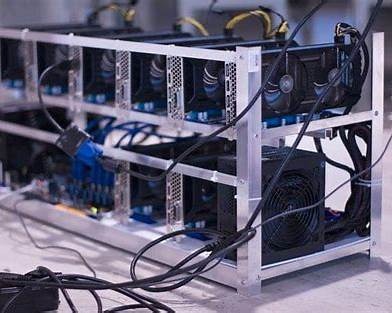
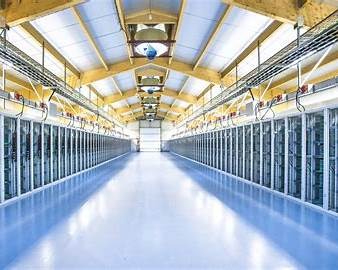
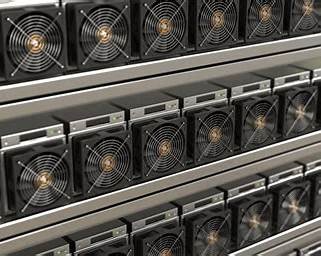
Conclusion
The latest generation mining rigs offer meaningful improvements in efficiency, stability, uptime, and long term ROI potential. Their refined architectures, better thermal control, and predictable performance curves allow operators to navigate shifting network conditions with greater confidence. When miners understand the economic, technical, and operational advantages that next generation devices provide, they place themselves in a stronger position for long term sustainability. Although mining remains sensitive to energy pricing, network difficulty, and coin value, efficient hardware provides one of the most reliable methods to maintain competitiveness. Staying updated with hardware available from BitcoinMinerSales.com, supported by hosting and colocation through BitcoinMinerSales.com, allows miners to continue operating with steady performance across changing market cycles.
FAQ
1. What defines the latest generation mining rigs?
They are miners that deliver noticeable improvements in efficiency, chip stability, and sustained output during continuous PoW activity, offering better performance per watt than previous generations.
2. How often should miners upgrade their hardware?
Upgrades depend on fleet age, maintenance costs, electricity rates, and network difficulty trends. Many operators review their hardware cycles every 18 to 30 months.
3. Does efficiency matter more than hash rate?
In many cases, yes. Efficient miners maintain profitability during difficulty increases because they reduce electricity costs while offering consistent output.
4. Are ROI projections reliable for mining rigs?
ROI estimates are illustrative only. They depend on difficulty, uptime, pool fees, and coin price. Using $0.085 per kWh as the baseline helps standardize comparisons.
5. Where can I buy next generation mining hardware?
You can purchase next generation mining rigs and arrange hosting or colocation through BitcoinMinerSales.com.