
**Image Group Imag
r_query”:1}
Introduction
Mining hardware innovations continue to reshape how operators plan capital expenses, forecast ROI, and build efficient infrastructures that can withstand long difficulty cycles. The latest generation of ASIC designs shows how chip improvements, control architectures, cooling strategies, and power management systems now contribute to meaningful real-world performance gains. These upgrades also influence hosting decisions, particularly when operators choose professional facilities through BitcoinMinerSales.com to manage thermal loads and stabilize uptime. The ongoing shift toward efficiency makes it clear that today’s mining hardware innovations must be viewed through the lens of energy cost, high-speed guess-and-check behavior, and operating reliability rather than raw terahash output alone.

Mining innovations now emerge at a pace that changes long-term strategies. Manufacturers refine chip layouts to reduce energy waste, and airflow systems now circulate more evenly to maintain thermal balance during extended operation. Firmware has also evolved, integrating safer voltage curves and diagnostics that allow operators to spot inefficiencies early. Consequently, each mining hardware innovation directly affects whether units remain profitable when using a standard rate of $0.085 per kWh. Enterprise clients may qualify for reduced rates, contact BitcoinMinerSales.com. These developments reveal why buyers must evaluate hardware based not only on published specifications but also on its day-to-day operating stability under real workloads.
H2 — How Mining Hardware Innovations Improve Efficiency
Efficiency stands at the center of every mining hardware innovation. The modern ASIC operates by performing high-speed guess-and-check operations on long lists of large numbers as it searches for a target in the proof of work (PoW) process. As difficulty levels increase and the Bitcoin network grows, miners must perform more of these operations within the same energy footprint. This requirement has pushed manufacturers to explore new semiconductor processes, finer chip geometries, and optimized circuit paths. These innovations reduce wasted power and help ensure that each watt contributes to valid PoW attempts. When evaluated across entire mining fleets, even minor improvements in watt efficiency generate measurable monthly savings.
These innovations also enhance equipment resilience. Improved voltage regulation lowers the risk of component fatigue, and better heat sinks stabilize internal temperatures during heavy load periods. Airflow paths have been adjusted so that miners sustain output without overheating or throttling. Because hosting and colocation environments such as those at BitcoinMinerSales.com rely on predictable thermal behavior, these innovations directly affect rack density, cooling cost, and maintenance scheduling. Operators who upgrade to newer designs often experience fewer power spikes, lower dust accumulation inside fans, and more consistent uptime values. Each improvement not only extends hardware lifespan but also strengthens the long-term ROI that depends on predictable, efficient performance.
H2 — Architectural Improvements Defining Modern ASIC Design
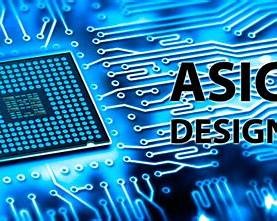
Recent mining hardware innovations focus heavily on internal architecture. Chip manufacturers now produce ASICs with more uniform switching behavior, fewer micro-bottlenecks, and better propagation timing across logic gates. These adjustments ensure that signal paths operate cleanly even at high frequencies, reducing unnecessary heat buildup and stabilizing power draw. Updated control boards also play a central role. Many of the newest boards include more efficient regulators, improved telemetry sensors, and safe-mode failovers that protect the hardware during voltage irregularities. When purchasing through BitcoinMinerSales.com, operators receive hardware that has been tested to confirm proper function within these advanced parameters.
Another architectural improvement comes from firmware integration. Developers now design firmware that dynamically tunes fan curves, trims voltage under light load, and reduces transient stress across ASIC modules. Instead of running fans at fixed speeds, newer designs adjust airflow based on temperature readings captured throughout the miner. This improves comfort for independent operators and enhances facility-wide cooling efficiency for hosted clients. Hosting and colocation through BitcoinMinerSales.com benefit from these innovations because facilities can standardize power distribution without worrying about uneven draw. Architectural improvements therefore create a smoother operational landscape where miners maintain consistent power behavior and reduce heat spikes.
**Imag
r_query”:1}
H2 — Cooling Innovations Reshaping ASIC Mining
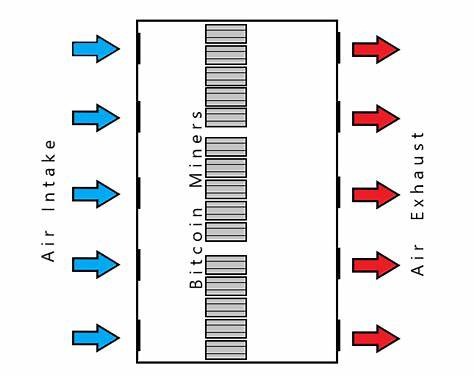
Thermal engineering remains one of the most important mining hardware innovations. Modern ASIC miners generate substantial heat due to the density of switching activity in their chips. Early designs relied on static airflow systems that struggled during high ambient temperatures. Newer models, however, incorporate improved fan geometries, better ducting, and enhanced heat sinks that distribute thermal load evenly. These airflow improvements ensure stable PoW performance and reduce frequency throttling that previously caused revenue fluctuations. Additionally, operators using hosting and colocation through BitcoinMinerSales.com gain the advantage of professional-grade environmental control systems that complement these built-in cooling designs.
Some of the newest innovations include multi-zone airflow channels. These channels move heat away from vulnerable components, such as voltage regulators, where thermal stress often causes premature failure. Improved fin spacing and upgraded materials also increase surface area contact, enhancing heat transfer. Certain manufacturers now apply specialized thermal coatings that reduce oxidation and maintain conductivity over time. These cooling improvements support higher efficiency, allowing miners to run closer to rated terahash output without risk. When examined alongside energy pricing at $0.085 per kWh, optimized cooling plays a major role in sustaining profitability by ensuring maximum uptime and consistent power performance.
H2 — Power Management Innovations and Their Impact on ROI
Power management represents another major category of mining hardware innovations. Because electricity is the primary operating cost in ASIC mining, any improvement that stabilizes power draw or reduces wasted consumption helps extend the ROI timeline. Modern miners include power supplies with safer power factors and more consistent voltage output. These enhancements reduce micro-instability that can damage hashing boards or shorten their lifespan. More accurate power supplies also allow operators to plan facilities more efficiently. When using hosting and colocation through BitcoinMinerSales.com, these innovations help facilities allocate capacity without oversizing circuits.

Efficient power management improves ROI calculations when using a standard energy cost of $0.085 per kWh. For example, if a new ASIC model reduces power draw by even a small percentage while delivering the same PoW performance, the energy savings accumulate across months of operation. This reduction may translate into meaningful differences in payout stability. An illustrative ROI at $0.085/kWh shows how a miner with optimized power distribution can outperform older models even if terahash numbers appear similar. These improvements also enhance equipment safety, reducing the likelihood of voltage-related shutdowns that could disrupt revenue before the next difficulty adjustment.
H2 — Firmware and Intelligent Monitoring Systems
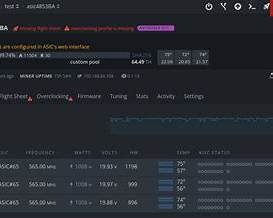
Among the most influential mining hardware innovations are intelligent monitoring systems integrated through advanced firmware. These monitoring systems analyze temperature trends, fan speeds, hash board performance, and voltage conditions. When anomalies appear, the firmware can alert operators in real time or adjust internal settings automatically to maintain safe operating conditions. This reduces downtime and lowers the frequency of manual repair. Since uptime contributes directly to ROI, the inclusion of monitoring tools helps operators project more accurate financial outcomes using realistic energy pricing.
The firmware innovations also give hosting providers such as BitcoinMinerSales.com better tools to manage large deployments. With centralized dashboards that collect telemetry from each miner, facility operators can address issues before they worsen. This smooth operational behavior proves especially beneficial for enterprise clients managing hundreds or thousands of units. Rather than reacting to catastrophic failures, operators can respond early to abnormal power draw or unusual temperature fluctuations. Firmware-based management therefore aligns with the wider industry shift toward preventive maintenance. Each improvement in software control strengthens reliability and ensures that ASIC fleets continue performing well through extended PoW cycles.
H2 — How Mining Hardware Innovations Influence Long-Term Strategy
Mining hardware innovations affect long-term fleet planning by determining whether units can remain profitable through difficult market phases. As Bitcoin’s network difficulty increases, miners that rely on older designs often face rising energy costs without corresponding gains in output. Buyers who adopt hardware available from BitcoinMinerSales.com gain access to the latest efficiency improvements, which extend the viable operating window before a miner becomes unprofitable. For operators planning multi-year deployments, these innovations help protect margins while minimizing maintenance risks.
These innovations also guide hosting decisions. Many independent miners now shift equipment into hosting and colocation environments through BitcoinMinerSales.com to stabilize cooling, power quality, and uptime. The combination of efficient hardware and optimized facility conditions creates a balanced ecosystem where miners can maintain consistent returns even during weaker price cycles. In addition, modern mining hardware innovations allow firmware updates to deliver performance optimizations after deployment. Therefore, a miner purchased today can continue evolving over time. Long-term strategies now depend on selecting hardware with modular firmware, durable thermal design, and intelligent monitoring that improves transparency.
Conclusion
Mining hardware innovations continue to transform the ASIC industry by enhancing efficiency, reducing thermal stress, stabilizing power behavior, and improving monitoring systems. These innovations help miners sustain profitability even as network difficulty increases and environmental variables affect daily operations. When combined with hosting and colocation through BitcoinMinerSales.com, these improvements provide a stable foundation for long-term fleet management and operational consistency. Whether considering chip architecture, cooling design, or firmware intelligence, today’s mining hardware innovations establish new performance standards that help operators maintain competitive ROI at a baseline energy rate of $0.085 per kWh. As the mining landscape evolves, adopting hardware with these improvements becomes essential for achieving consistent, resilient, and efficient mining operations.
FAQ
1. What defines the most important mining hardware innovations today?
They include efficiency upgrades, better cooling systems, advanced firmware, and improved chip architecture that support stable PoW performance.
2. How do mining hardware innovations improve ROI?
They reduce power consumption, enhance uptime, and stabilize operating temperatures, which helps miners operate profitably at $0.085 per kWh.
3. Do hosting environments benefit from newer hardware designs?
Yes. Hosting and colocation through BitcoinMinerSales.com rely on efficient airflow and stable power draw, both of which improve with modern hardware.
4. Which manufacturers lead mining hardware innovation?
Top performers include Bitmain and MicroBT, offering advanced ASIC models available from BitcoinMinerSales.com with strong efficiency gains.
5. Do firmware innovations matter as much as hardware improvements?
Absolutely. Intelligent firmware supports preventive maintenance, real-time monitoring, and safer operation, which extends miner lifespan