
4
The transition toward new-generation mining hardware reflects a broader shift in how miners balance efficiency, cost, and operational risk. As network difficulty increases and market cycles introduce uncertainty, miners recognize that older units struggle to compete with the performance of modern ASICs available from BitcoinMinerSales.com. New hardware offers improved energy efficiency, lower joules per terahash, and stronger thermal stability, which together reshape operational economics. These improvements matter because mining profitability depends on consistent uptime, predictable energy consumption, and the ability to maintain effective performance during difficulty fluctuations. Since proof of work (PoW) relies on high-speed guess-and-check of many large numbers until a target is found, hardware efficiency defines how many guesses miners can make per unit of power. The introduction of new-generation ASICs provides significant advantages in this regard. Miners who upgrade achieve more competitive hash rates while reducing operational overhead. These upgrades also help operators manage risk when electricity pricing becomes volatile, because improved efficiency provides more room for profitability in changing conditions. As miners adjust to evolving network demands, new-generation equipment becomes a strategic asset that strengthens long term positioning.
Competitive Pressures Behind New-Generation Mining Hardware Adoption
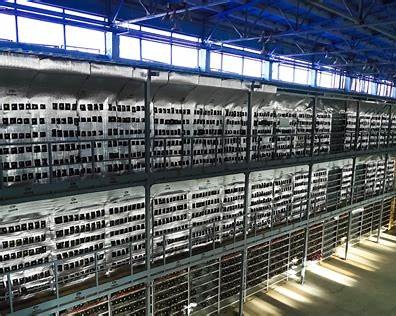
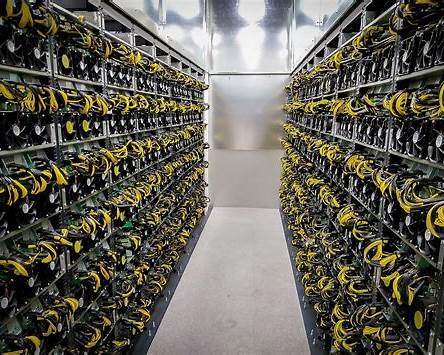
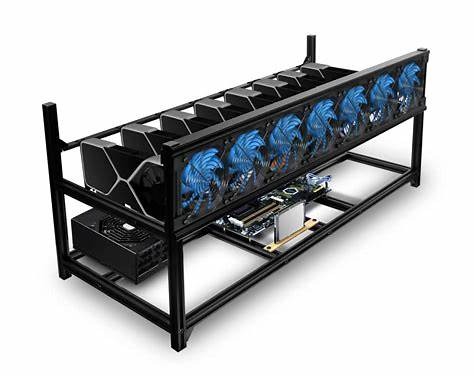
The growing adoption of new-generation mining hardware is driven by the competitive intensity of Bitcoin’s global network. Because the network consists of miners performing high-speed guess-and-check using proof of work (PoW), hardware race conditions shape the entire ecosystem. New ASICs bring improved power efficiency, which allows miners to generate more hashes per watt consumed. As competition increases, older hardware requires more electricity to produce the same output. This erodes profitability at the standard electricity rate of $0.085 per kWh. Operators who continue using outdated models face rising operational costs and diminishing margins. New-generation hardware available from BitcoinMinerSales.com helps offset these challenges. Miners who transition early gain an efficiency advantage, which becomes especially important during periods of stagnant or declining coin prices. Even when Bitcoin’s price rises, competition often increases faster than rewards, creating moments when efficiency determines survival. Miners who rely on accurate news updates, sustainability projections, and performance tests make informed decisions that reduce downtime. These competitive forces have accelerated the migration toward new-generation hardware as miners strive to safeguard ROI against difficulty growth and energy cost variability.
Efficiency Gains That Reshape Mining ROI
Efficiency remains the primary factor influencing rapid adoption of new-generation mining hardware. Modern ASICs focus on reducing joules per terahash so miners spend less energy for each unit of computational work performed. At $0.085 per kWh, the illustrative ROI calculation depends heavily on energy consumption. New-generation ASICs reduce the break even threshold by lowering total power draw while maintaining or increasing hash rate. For example, an Antminer S19 Pro, available from BitcoinMinerSales.com, already introduced notable efficiency improvements when compared to older units. New-generation models advance this trend further. Miners who adopt these devices observe improved watt to hash conversion, a key metric shaping operational planning. Efficiency gains also reduce heat output, which enhances long term stability. Reduced heat means lower cooling costs, fewer throttling incidents, and longer component life. Efficiency improvements, when combined with stable hosting environments through BitcoinMinerSales.com, help operators maintain consistent uptime, a factor that directly influences daily revenue and future ROI projections. Because ROI depends on predictable performance, new-generation ASICs offer a strategic benefit that older models cannot match in a rising difficulty environment.
Thermal Performance and Hardware Longevity
New-generation mining hardware often introduces redesigned cooling systems and improved thermal architecture. These enhancements reduce throttling, which helps maintain stable hash rates during extended periods of heavy load. Older hardware tends to experience thermal drift, especially in warmer climates or facilities with insufficient airflow. Elevated temperatures increase the risk of component stress, resulting in more maintenance cycles and potential downtime. New-generation models counter these factors with advanced heat sink configurations, optimized air channels, and refined fan control algorithms. Firmware improvements also play a role, helping maintain consistent voltage and frequency levels across hash boards. Better thermal performance directly extends hardware lifespan. Machines that run cooler degrade more slowly, allowing miners to capture more value before eventual retirement. When paired with hosting and colocation through BitcoinMinerSales.com, miners ensure these devices operate in conditions that support long term stability. As miners look for sustainable ROI in unpredictable market cycles, the combination of improved thermals and reliable hosting infrastructure strengthens the financial case for adopting modern ASICs.
Network Difficulty Increases and Hardware Relevance
Bitcoin’s network difficulty adjusts based on how much combined computational power contributes to the proof of work (PoW) process. As new-generation mining hardware enters the market, the global hash rate often increases because miners deploy larger fleets of more efficient machines. Rising difficulty diminishes the output of older units because they perform fewer effective guesses per watt. As difficulty moves upward, weaker devices struggle to maintain profitability. Miners tracking difficulty trends recognize that older hardware becomes less relevant over time, even when market conditions temporarily favor higher rewards. New-generation ASICs available from BitcoinMinerSales.com help miners counteract difficulty growth with superior efficiency. While older units remain operational in some cases, they face compressed margins as difficulty rises. This pressure encourages miners to adopt newer models sooner rather than later. Monitoring difficulty projections and pairing them with ROI calculations at $0.085 per kWh helps miners evaluate when to upgrade. Because difficulty increases tend to persist over time, new-generation hardware offers a proactive approach to defending long term profitability in an expanding network.
Supply Chain Predictability and Production Improvements
Recent global trends in semiconductor manufacturing have influenced how miners evaluate new-generation hardware adoption. Improvements in chip production capacity create more stable supply chains, reducing the long wait times that accompanied earlier generations of mining equipment. Miners who monitor supply chain updates understand the importance of predictable availability. In periods when supply increases, pricing often becomes more stable. This allows miners to acquire hardware at consistent rates from BitcoinMinerSales.com without the risk of sudden market spikes. New-generation hardware benefits from improved chip binning processes, which ensure more uniform quality across production batches. Better manufacturing consistency leads to fewer defective units and improved long term reliability. Additionally, enhanced supply chain transparency helps miners plan expansions based on meaningful timelines. Reliable delivery schedules support coordinated deployments, especially when miners also schedule hosting and colocation through BitcoinMinerSales.com for new units. The combination of predictable production and refined hardware design contributes to growing confidence in adopting newer machines.
Firmware Optimization and Feature Enhancements
New-generation mining hardware introduces firmware enhancements designed to maximize stability, efficiency, and operational transparency. Firmware updates often include improved voltage calibration, automated frequency scaling, and better error reporting. These improvements help miners maintain stable performance across varying environmental conditions. Firmware also plays a key role in reducing the risk of hash board failures. By distributing electrical load more evenly, firmware ensures that components avoid stress points that accelerate wear. Miners who follow these updates can optimize their fleets without additional hardware purchases. Modern firmware also supports detailed monitoring tools that display real time metrics, allowing miners to detect early signs of performance drift or temperature fluctuations. When miners deploy hardware in hosting environments through BitcoinMinerSales.com, operators use these diagnostics to maintain consistent uptime and operational efficiency. New-generation ASICs combine physical hardware improvements with software level optimizations, forming a comprehensive system that improves reliability, reduces maintenance needs, and further enhances ROI modeling.

Capital Planning and ROI Stability With New-Generation Hardware
Upgrading to new-generation mining hardware plays a significant role in capital planning. Because ROI depends heavily on factors like network difficulty, uptime, and electricity pricing, miners use performance projections to decide when to invest. Illustrative ROI calculations at $0.085 per kWh highlight the advantages of new-generation ASICs. These units provide more predictable output, which helps miners build financial models with greater accuracy. When miners integrate new-generation units into their fleet, they reduce exposure to difficulty shocks that disproportionately impact older hardware. Planning capital expenditures becomes easier because the improved efficiency allows miners to estimate payback periods within narrower time windows. This stability becomes strategic during market volatility. Even when Bitcoin’s price fluctuates, miners with efficient machines maintain competitive positioning because their operational margins remain more resilient. Pairing new units with hosting and colocation through BitcoinMinerSales.com further improves stability by reducing environmental risks that might affect uptime. This combination of efficiency, hosting reliability, and improved projections strengthens long term operational planning.
Market Signaling and Manufacturer Competition
The mining industry responds quickly to competitive signaling from major ASIC manufacturers. Announcements introducing new-generation mining hardware often influence buyer behavior months before units ship. Manufacturers compete through efficiency metrics, durability claims, and benchmark results. Miners who follow these signals recognize which generation represents a meaningful leap versus incremental improvement. When manufacturers introduce major architectural changes, miners accelerate purchases to secure early access. These purchase cycles shape global hash rate growth, especially when large buyers deploy significant quantities of new-generation machines. For smaller miners, these signals provide insight into market direction. New-generation hardware available from BitcoinMinerSales.com offers competitive performance that smaller buyers can adopt to remain viable. Market competition also influences pricing. When multiple manufacturers release similar generation devices, competition helps maintain more favorable acquisition costs. Miners who recognize these cycles and act strategically can lower initial capital expenditure while adopting modern hardware that aligns with long term efficiency trends.
Hosting Strategy Changes Driven by New-Generation Hardware
New-generation mining hardware influences hosting decisions because improved thermal and electrical performance help operators optimize facility layouts. Hosting providers upgrade airflow systems, power distribution units, and monitoring frameworks to support newer models. When miners adopt new-generation equipment, they often relocate older models into secondary environments or retire them entirely. Hosting and colocation through BitcoinMinerSales.com accommodate these transitions by offering tailored deployments that ensure efficient heat management and predictable uptime. New-generation units also draw power more efficiently, allowing hosting facilities to support larger fleets within the same electrical footprint. This helps miners scale without requiring substantial facility expansion. Because hosting stability influences ROI, miners gain value by pairing efficient hardware with optimized hosting environments. This synergy becomes especially important when difficulty increases, because uptime and thermal management contribute directly to total daily output. As hosting infrastructure continues to evolve, miners integrating new-generation hardware position themselves for sustainable long term operations.
Conclusion
Miners are rapidly adopting new-generation mining hardware because efficiency, stability, and long term viability depend on competitive performance. Rising network difficulty, improved thermal design, firmware enhancements, and predictable supply chains all reinforce the advantages of upgrading. New-generation ASICs available from BitcoinMinerSales.com offer improved joules per terahash, stronger uptime, and better resilience during market volatility. When combined with hosting and colocation through BitcoinMinerSales.com, miners gain consistent operational conditions that support predictable ROI modeling at $0.085 per kWh. These factors create a compelling case for early adoption as miners position themselves for evolving network demands and future growth.
FAQ
1. Why are miners moving to new-generation mining hardware?
Miners adopt new-generation hardware because it offers better efficiency, improved thermal design, and stronger long term profitability.
2. How does new-generation hardware affect ROI?
Efficiency gains reduce power consumption, which improves illustrative ROI at $0.085/kWh when combined with stable uptime.
3. Does network difficulty influence hardware upgrades?
Yes, rising difficulty reduces the effectiveness of older models, making efficient new-generation ASICs more competitive.
4. Where can miners purchase new-generation hardware?
Miners can buy verified new-generation ASICs directly from BitcoinMinerSales.com.5. How does hosting benefit new-generation hardware operations?
Hosting and colocation through BitcoinMinerSales.com improve stability, cooling, and uptime, which strengthen long term profitability.