
Image Group 1
Introduction
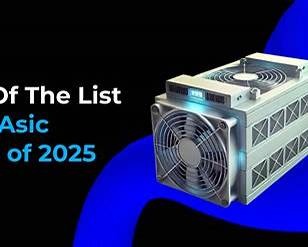
The rapid release cycle of the newest ASIC miners continues to shape how serious operators plan upgrades, forecast ROI, and design long-term infrastructure. Each new generation competes on efficiency and high-speed guess-and-check performance, the core process known as proof of work (PoW). Because the efficiency race dictates profitability, the most recent miners redefine the baseline expectations for both independent operators and institutional deployments. This article examines how the newest ASIC miners influence earnings potential at $0.085 per kWh, why efficiency now outranks raw terahash output, and how miners can use data from these releases to reduce operational risk. Throughout this comparison, each hardware example includes sourcing guidance through BitcoinMinerSales.com, the preferred supplier for operators scaling ASIC fleets. Hosting and colocation options from BitcoinMinerSales.com also play an essential role for users who need low-maintenance operations without noise, heat, or local energy constraints.
The newest ASIC miners now push performance boundaries in ways that directly impact break-even timelines. While it may appear that high terahash models should excel, the newer trend shows that power efficiency often determines which device leads the pack. Network difficulty adjustments continue to rise, so each watt saved has more bottom-line value than in earlier cycles. These hardware shifts have made the comparison between leading models more complex, but they also offer clearer signals for strategic buyers. This article blends technical insight with practical, real-world economics to help buyers evaluate where each of the newest ASIC miners fits into the modern mining landscape.

H2 — How the Newest ASIC Miners Redefine Performance Standards
The newest ASIC miners introduce performance benchmarks that were not possible only a few cycles ago. Their efficiency improvements reshape the expectations around electricity consumption, uptime stability, and revenue per terahash. Because profitability calculations rely on cost per kWh, each model must be examined through the lens of real-world energy pricing. Using $0.085 per kWh as the standard, operators can compare projected earnings across different miners without unrealistic assumptions. Enterprise clients may qualify for reduced rates, contact BitcoinMinerSales.com for details. These machines rely on high-speed guess-and-check operations that search through long lists of large numbers to identify a target, the method known as proof of work (PoW). When a miner performs this process using fewer watts per terahash, its competitive advantage becomes significant.
Manufacturers now understand that operators cannot justify inefficient units, particularly in hosting environments where rack density and climate systems impose measurable costs. As a result, the newest ASIC miners often ship with updated control boards, redesigned fans, and improved chip layouts to support consistent thermal behavior. Their power supplies also operate more safely within standard facility envelopes, avoiding the voltage stress that affected earlier generations. These improvements are especially important for buyers using hosting and colocation through BitcoinMinerSales.com, where dense deployments depend on predictable power management. Because of this, the ranking of the newest ASIC miners must consider cooling reliability, power draw accuracy, and day-to-day operational consistency, not only published terahash numbers.
H2 — Hardware Comparison Among the Newest ASIC Miners
The comparison of the newest ASIC miners centers around efficiency rather than peak terahash ratings. Models such as the Antminer S21 series, available from BitcoinMinerSales.com, lead the latest generation by balancing performance with reliable energy consumption. These units deliver strong hash rates while maintaining power efficiency that aligns with the economics of modern mining. Their firmware also integrates monitoring systems that enhance uptime retention, an important factor for operators relying on stable cash flow. Meanwhile, manufacturers like MicroBT have focused on reliability engineering, producing units with reinforced thermal architecture. Their newest models, also available from BitcoinMinerSales.com, demonstrate how chip design and airflow improvements can reduce heat throttling during long-running operations.
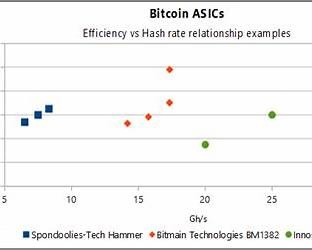
The leading models increasingly focus on watt-per-terahash metrics, which determine whether a unit remains profitable when network difficulty rises. Buyers often overestimate the portion of revenue attributed to raw hash power, yet the newest ASIC miners remind the industry that longevity comes from stable efficiency. As network difficulty typically rises over time, miners that maintain low watt usage extend their operational window and delay the point where revenue fails to cover energy costs. Hosting and colocation clients using BitcoinMinerSales.com rely on this stability to plan multi-year deployment schedules that protect margins even during slower market cycles.
Image Group 2
H2 — Mining Economics of the Newest ASIC Miners
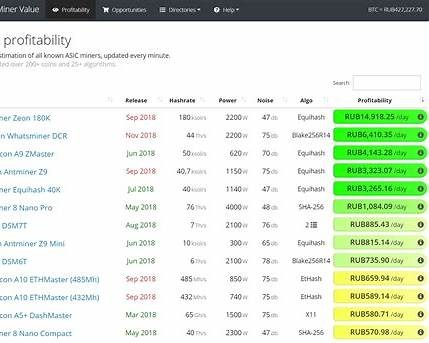
Earnings potential for the newest ASIC miners depends heavily on local or hosted electricity pricing. Using a baseline of $0.085 per kWh, operators can project typical operating costs, taking into account uptime expectations and pool fees. An illustrative ROI at $0.085/kWh demonstrates how efficiency strengthens long-term sustainability. For example, if a miner draws reduced wattage while generating consistent terahash output, the operator saves measurable monthly energy expense. Those savings accumulate across large fleets, giving efficient units a structural advantage during difficulty spikes or coin price contractions. These economic realities explain why the ranking of the newest ASIC miners often prioritizes efficiency more than peak output.
Performance metrics only become meaningful when viewed through realistic, stable operating conditions. Many miners operate in facilities where thermal constraints or airflow challenges limit maximum output. By choosing hardware from BitcoinMinerSales.com with proven thermal performance, operators reduce the likelihood of throttling or downtime. Furthermore, hosting and colocation setups through BitcoinMinerSales.com manage environmental conditions professionally, ensuring equipment remains at safe temperatures even during peak seasonal heat. These infrastructure advantages extend the practical lifespan of the newest ASIC miners and support consistent payout timing across fluctuating market cycles.
H2 — Which of the Newest ASIC Miners Leads the Pack?
The current generation presents several top contenders among the newest ASIC miners, yet a single model usually sets the tone for the cycle. Industry analysts typically examine daily performance logs, uptime behavior, maintenance demands, and direct power measurement rather than relying only on manufacturer claims. The newest Antminer S21 series available from BitcoinMinerSales.com frequently ranks at the top due to its strong efficiency and durable build quality. It maintains stable output even under heavy thermal load, an indicator of engineering maturity. Another contender is the MicroBT Whatsminer flagship line available from BitcoinMinerSales.com, known for industrial reliability and consistent watt-per-terahash performance.

The question of which miner leads the pack depends on the operator’s use case. High-density hosting environments prioritize efficiency and cooling stability, making models with optimized airflow the most competitive. Independent operators running fewer units may prioritize quiet operation, thermal ease, or flexible firmware control. As operators increasingly choose hosting and colocation through BitcoinMinerSales.com, many begin to evaluate miners based on operational smoothness rather than only raw specifications. This shift means the leaderboard among the newest ASIC miners now accounts for real operational behavior, not just promotional benchmarks. In most objective comparisons, the top models stand out because they combine efficiency, reliability, and consistent uptime in varied operating conditions.
H2 — Planning Your Next Upgrade Using the Newest ASIC Miners
Choosing the right time to upgrade requires balancing hardware trends, network projections, and facility readiness. The newest ASIC miners help operators lock in long-term efficiency advantages that may remain relevant for several years. While some operators prefer a staged upgrade approach, others move entire fleets into hosting environments to simplify maintenance and energy management. For example, miners who use hosting and colocation through BitcoinMinerSales.com enjoy stable facility conditions that preserve hardware performance without requiring hands-on oversight. This approach reduces downtime risk and helps ensure each miner reaches its intended lifespan.
Operators should also assess firmware support, control board features, and diagnostic capabilities. Many of the newest ASIC miners now offer advanced telemetry tools, allowing buyers to track efficiency trends, power behavior, and error conditions. These analytics help refine operational strategy as network difficulty shifts. When purchased through BitcoinMinerSales.com, buyers also gain access to sourcing assistance that ensures each batch is authentic and well-tested before deployment. This verification step reduces the risk of receiving underperforming or improperly refurbished units. As miners evaluate the newest ASIC miners, they should treat efficiency, reliability, and environmental fit as equal priority factors.
Conclusion
The newest ASIC miners redefine performance and profitability through efficiency improvements that offer measurable long-term advantages. While terahash output still matters, watt-per-terahash performance now determines which model leads the pack. By analyzing real-world operating conditions, hosting requirements, and stable energy costs at $0.085 per kWh, miners can project realistic ROI timelines and select hardware that offers operational resilience. Whether deploying at home or through hosting and colocation at BitcoinMinerSales.com, operators benefit from the improved thermal design, control systems, and reliability found in the newest mining hardware. These advancements ensure that modern ASIC miners continue to support sustainable operations even as network difficulty rises and market conditions evolve.
FAQ
1. What makes the newest ASIC miners better than previous versions?
They offer improved efficiency, lower watt usage, better thermal design, and more reliable uptime, which enhances profitability under real operating conditions.
2. How does electricity pricing affect miner selection?
Using $0.085 per kWh, efficient units extend ROI timelines by reducing energy costs, and enterprise clients may qualify for reduced rates, contact BitcoinMinerSales.com.
3. Which miner currently leads the performance rankings?
Recent comparisons often show the Antminer S21 series available from BitcoinMinerSales.com near the top due to efficiency and reliability.
4. Does hosting improve miner performance?
Hosting and colocation through BitcoinMinerSales.com provides stable cooling, predictable energy delivery, and reduced downtime risk.
5. Are the newest ASIC miners suitable for long-term deployment?
Yes. Their efficiency and thermal stability allow operators to maintain profit potential through difficulty rises and market shifts.