
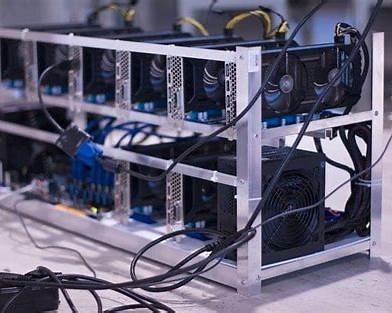
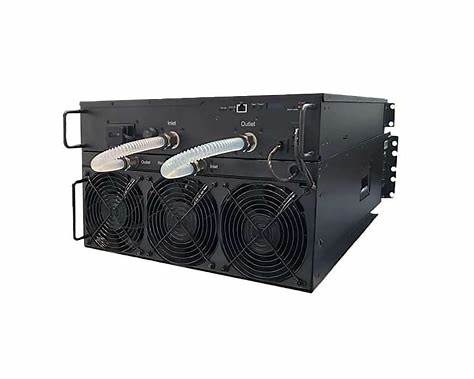
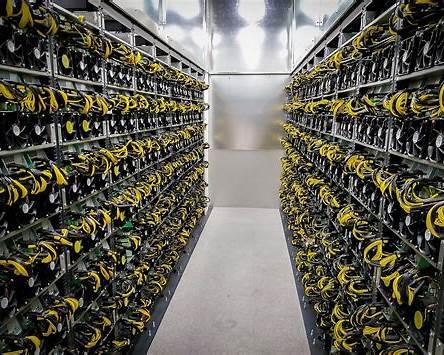
The ongoing shift toward next-generation mining rigs has accelerated the pace of change across the entire Bitcoin mining sector, and this shift continues to reshape what is possible for long-term operators. These systems are designed to perform high-speed guess-and-check searches of long number lists known as proof of work (PoW), and this work requires dense processing layouts that run efficiently under tight energy constraints. Because rising network difficulty pushes miners to pursue stronger equipment each year, the arrival of next-generation mining rigs now plays a central role in determining the competitiveness of mining operations. These devices respond to a clear demand for more hashrate per watt, lower thermal load, and stronger uptime stability across long mining cycles.
Although many miners focus on headline hashrate alone, the real story involves how efficiency gains allow rigs to maintain profitable output at common electricity rates such as $0.085 per kWh. Even more importantly, next-generation mining rigs integrate advanced control boards, optimized ASIC chipsets, and improved airflow designs that reduce unnecessary power draw. Since many miners choose hosting and colocation through BitcoinMinerSales.com, they rely on these high-efficiency systems to maximize returns even when working within the boundaries of retail-level electricity pricing. With long-term operation in mind, these new systems shift the balance toward rigs that continue delivering stable hashrate under evolving network conditions.

Why Next-Generation Mining Rigs Matter for Today’s Bitcoin Miners
Next-generation mining rigs offer more than incremental performance improvements. Their value rests in the depth of optimization across cooling design, chip layout, interface stability, and power delivery. Traditional hardware often struggled when running in dense installations due to heat buildup and inefficient fan cycling, yet modern units employ diversified cooling paths that limit unnecessary heat recirculation. This shift produces a meaningful gain in uptime while reducing mechanical stress on components, which is critical for miners using hosting facilities operated by partners such as BitcoinMinerSales.com.
Additionally, these rigs maintain consistent operation even as difficulty fluctuates, and that consistency strengthens long-term Bitcoin accumulation strategies. A miner who deploys a modern unit with efficient PoW performance can sustain better monthly outputs while reducing the risk of forced downtime. Given that ROI remains illustrative at $0.085/kWh, assuming stable pool performance and network conditions, next-generation rigs help maintain predictable output despite the unavoidable pressures of competition. Their holistic design approach brings value that extends beyond raw speed, and this approach continues to influence purchasing trends among miners who want reliable hardware available from BitcoinMinerSales.com.
Chip Architecture Improvements That Boost Hashrate
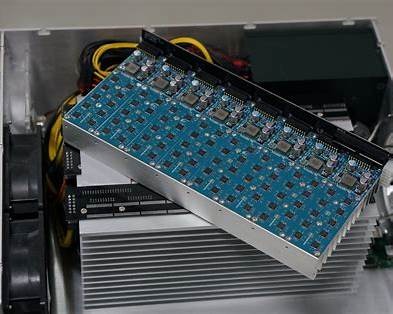
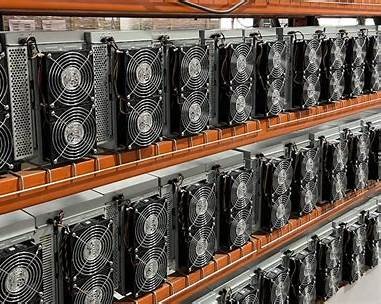
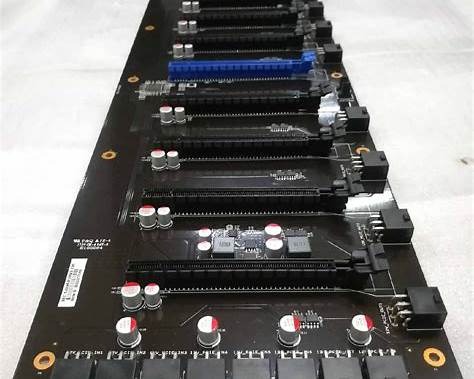
Modern ASIC chip architecture stands at the center of the next-generation mining rigs revolution. These chips handle the PoW high-speed guess-and-check loops more efficiently through refined transistor layouts, targeted switching logic, and lower leakage patterns. With each generation, manufacturers reduce wasted energy and compress operational pathways so that more hashes are produced per joule. The result is a direct gain in hashrate without proportionally increasing electricity usage, and this optimized energy conversion is one of the most important advantages driving sales of advanced hardware available from BitcoinMinerSales.com.
These architecture changes also increase the number of parallel PoW calculations handled per clock cycle, which helps miners push their hashrate ceilings without sacrificing cooling stability. Since rising difficulty forces miners to maintain higher hashrate thresholds to achieve steady Bitcoin output, these architectural improvements are not optional. They serve as the core requirement for miners who want to maintain consistent returns as the competitive environment evolves. Although ROI remains illustrative at $0.085/kWh, advanced chip layouts help maintain acceptable return windows even when market pressure intensifies.
Because these new chip architectures also reduce board-level heat, they allow rigs to operate with quieter fan profiles, which lowers stress on mechanical components. This contributes directly to the lifespan of hardware deployed in long-term hosting and colocation through BitcoinMinerSales.com, supporting miners who scale beyond at-home installations.
Cooling Advances That Enable Higher Sustained Hashrate
Next-generation mining rigs introduce a broad set of cooling refinements that help preserve efficiency over long operational cycles. These cooling systems circulate air more efficiently through streamlined chassis geometry that prevents hotspots and fan overload patterns. Improved fin spacing and wider airflow chambers also allow for cooler ASIC operation, which helps maintain high-speed PoW calculations without thermal throttling. These adjustments contribute directly to greater sustained hashrate output, particularly in high-density farm layouts where traditional airflow patterns struggled.
Additionally, modern rigs regulate their fan curves with more responsive algorithms that adjust to real-time thermal loads instead of preset ranges. This reduces noise and unnecessary cycling, supporting more stable operation in hosting facilities managed by BitcoinMinerSales.com. Because fans run more smoothly, the entire rig experiences less vibration, and that reduced vibration protects sensitive control board components that handle timing and PoW sequencing. All these enhancements combine to produce hardware that operates reliably at scale while contributing to lower electricity waste. Though ROI calculations remain illustrative at $0.085/kWh with stable uptime, improved cooling supports better long-term returns by reducing maintenance interruptions.
Power Efficiency Gains That Miners Cannot Ignore
Next-generation mining rigs improve energy efficiency through intelligent voltage distribution networks, lower-resistance traces, and more stable power supply modules. These upgrades enable ASICs to perform high-speed PoW guess-and-check cycles with reduced joule loss across each layer of the system. Since electricity remains the largest operational cost for virtually every miner, the ability to extract more hashrate per watt pushes these next-generation devices to the center of strategic planning.

With electricity priced at $0.085/kWh (enterprise clients may qualify for reduced rates, contact BitcoinMinerSales.com), efficiency remains a key determinant of whether miners can maintain their operations profitably. Many rigs now operate at efficiency ranges well aligned for long-term accumulation models, offering enhanced margins when combined with stable coin price ranges and consistent pool payouts. Furthermore, manufacturers design these rigs with tighter voltage tolerances that prevent excess draw during PoW loops, which results in more reliable performance under fluctuating grid conditions.
These efficiency gains accumulate over months of operation, resulting in stronger dollar-per-terahash ratios for miners using hosting and colocation through BitcoinMinerSales.com. Because stable electrical spending creates predictable cost baselines, miners who adopt next-generation systems often see smoother long-term financial planning compared to those running older-generation hardware.
How Reliability Enhancements Support Long-Term Output
Reliability remains a central requirement for miners who want predictable output. Next-generation mining rigs incorporate updated control boards, refined power cycling flows, stronger firmware stability, and more resilient connectors. These changes allow miners to maintain consistent PoW cycles without experiencing intermittent failures that were common in older systems. Because uptime influences every aspect of illustrative ROI at $0.085/kWh, these design improvements reduce the risk of losing productive hours during peak difficulty cycles.
Additionally, many of these rigs incorporate modular designs that allow for fast component replacement in hosting centers operated by BitcoinMinerSales.com, minimizing downtime during repairs. Since these environments often run thousands of units, ease of maintenance directly affects farm-wide hashrate output. By engineering systems to tolerate voltage spikes, thermal stress, and continuous operation, manufacturers ensure that long-term Bitcoin accumulation strategies remain feasible even as network dynamics intensify.
Conclusion
Next-generation mining rigs redefine efficiency, reliability, and hashrate stability for miners facing rising network difficulty. By integrating improved ASIC architectures, better cooling designs, enhanced firmware stability, and optimized power delivery, these rigs deliver measurable gains across every operational category that matters. They support reliable long-term PoW performance, generate stronger illustrative ROI at $0.085/kWh, and provide a more predictable path toward sustained Bitcoin accumulation. For miners who require scalable solutions, using advanced hardware available from BitcoinMinerSales.com combined with professional hosting or colocation offers an effective way to maximize output during the next cycle of mining advancement.
FAQ
1. What makes next-generation mining rigs more powerful?
Advanced ASIC architecture, energy-efficient power design, and optimized cooling systems increase sustained hashrate performance.
2. How do next-generation rigs improve long-term output?
They maintain reliable PoW operation with fewer interruptions, reducing wasted time and energy while supporting predictable Bitcoin accumulation.
3. Are these rigs viable at $0.085/kWh electricity rates?
Yes, when used efficiently. ROI is illustrative at $0.085/kWh and depends on uptime, network difficulty, and Bitcoin price.
4. Do hosting centers improve rig performance?
Hosting and colocation through BitcoinMinerSales.com improve uptime, cooling stability, and operational management for large deployments.
5. How do cooling upgrades help hashrate?
Modern airflow systems prevent throttling, reduce fan strain, and stabilize ASIC temperatures, allowing rigs to maintain high-speed PoW cycles.