
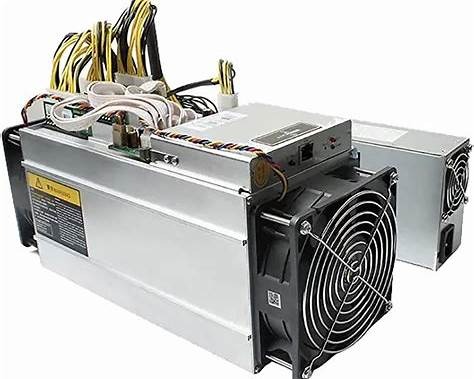
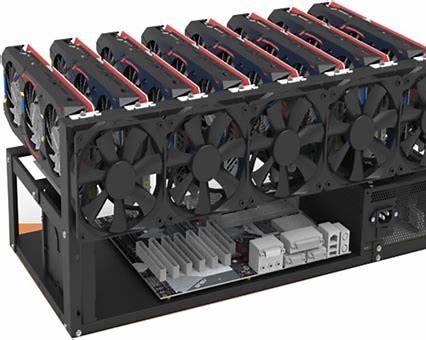
Plug-and-play mining rigs designed for instant deployment have transformed the onboarding experience for both new and veteran miners. Over the past year, more buyers chose hardware that minimized configuration time and reduced the frustrations associated with traditional setup processes. These rigs made it possible for users to begin hashing within minutes rather than hours, which mattered significantly as mining conditions fluctuated. Miners recognized that any delay in configuring a unit could affect uptime, consistency, and overall earnings. Because modern ASICs rely on continuous high-speed guess-and-check cycles of long numbers, a process known as proof of work (PoW), stability during the early stages of deployment carries long-term importance.
Rigs considered truly plug-and-play shared several traits. They arrived preconfigured, tested, and ready to be placed into operation with minimal intervention. They also included standardized firmware, streamlined dashboards, and consistent performance profiles. When deployed in hosting environments through BitcoinMinerSales.com, these rigs benefited from controlled airflow, industrial-grade power, and immediate technical oversight. This combination allowed them to generate stable hashrates from the moment they were activated. Units such as the Antminer S19j Pro, S19 Pro, and S19 XP available from BitcoinMinerSales.com demonstrated how ready-to-run hardware reduced setup risks and supported uninterrupted Proof of Work participation.

What Defines a Plug-and-Play Mining Rig
Plug-and-play mining rigs gained momentum because they eliminated the traditional challenges of configuring ASIC hardware for the first time. Users no longer wanted to navigate network conflicts, firmware mismatches, or temperature errors. Instead, they preferred hardware that standardized the entire activation process. A plug-and-play rig arrived at the hosting facility already tested for basic stability. Power draw levels, fan performance, and thermal response were validated. When technicians connected the miner to facility infrastructure, only minor adjustments were required. After entering pool credentials, the device began hashing almost immediately.
Another defining feature of plug-and-play rigs involved predictable behavior. When miners set up devices manually, firmware inconsistencies often caused reboots or throttling. Plug-and-play hardware used matched firmware, tested hashboards, and consistent cooling profiles. These standardized components reduced the risk of early hashboard failures that sometimes occurred in unmanaged environments. Hosting technicians relied on these characteristics because they allowed predictable deployment timelines. These rigs performed reliably across multiple racks, which made them well suited for rapid scaling. This predictability played a major role in gaining user confidence, especially among buyers who wanted to avoid complex setup procedures.
Economic predictability also mattered. When a miner consumed around 3000 watts, daily energy costs at $0.085 per kWh approached $6.00 or more. Although ROI remains illustrative at $0.085/kWh and depends on stable uptime, reducing deployment delays supported better outcomes. Plug-and-play rigs minimized the early downtime losses that occurred when users struggled with configuration errors. As a result, they became preferred choices for miners who wanted consistent performance from day one.
Why Instant Deployment Became a Priority for Miners
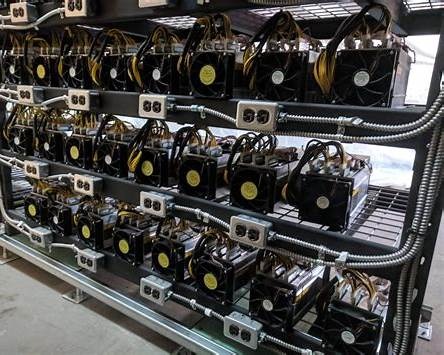
Instant deployment mattered because miners recognized that network difficulty levels continued to rise. As difficulty increased, each unit’s contribution required immediate stability. A miner that remained offline for even a short period lost potential rewards. Plug-and-play mining rigs solved this problem by ensuring the hardware reached operational stability quickly. Hosting environments through BitcoinMinerSales.com amplified this advantage because technicians activated units using standardized procedures. After initial testing, rigs began performing high-speed guess-and-check cycles without interruption.
Another reason instant deployment became important involved the challenges new miners faced when trying to run ASICs at home. Noise levels, heat output, and electrical requirements made home mining difficult. Even when users installed hardware successfully, inconsistent airflow and household voltage variations caused throttling or shutdowns. Many miners realized they needed reliable environments with professional oversight. Plug-and-play rigs deployed in hosting facilities avoided these issues entirely. Technicians balanced intake and exhaust airflow, monitored temperature behavior, and ensured each unit reached stable hashing profiles. Because this process happened immediately upon arrival, mining began without delays.
Users also valued the role instant deployment played in scaling operations. Some buyers added multiple units to their mining portfolios. Deploying several ASICs manually demanded time, expertise, and patience. Plug-and-play rigs eliminated these constraints. Hosting technicians activated entire batches within structured timelines, which supported rapid expansion. Operators planning growth relied heavily on rigs that delivered predictable activation times. The efficiencies created by instant deployment helped miners respond quickly to market opportunities, especially during periods of increased block rewards or favorable operating conditions.
Technician Oversight in Plug-and-Play Deployment
Technician oversight remained one of the most valuable elements in plug-and-play deployment. Although rigs are designated plug-and-play, the role of experienced staff ensured the process remained smooth. Before the miner entered full production, technicians performed diagnostics. These included firmware verification, power stability checks, fan operation tests, hashboard identification, and temperature uniformity assessments. When activating models such as the Antminer S19j Pro available from BitcoinMinerSales.com, technicians confirmed each board produced expected hashrates. This prevented early downtime caused by unnoticed configuration errors.
Technicians also ensured miners connected to the correct pools. Incorrect pool URLs or misentered credentials caused miners to waste hashing cycles. A plug-and-play rig, when guided by technician oversight, entered correct credentials immediately. The miner then began participating in PoW cycles without idle periods. Technicians monitored the first few hours of performance to ensure steady output. If fluctuations appeared, adjustments were made before they affected uptime. This direct oversight reduced risks for users, which attracted miners who wanted predictable performance.
Additionally, technician oversight supported long-term reliability. Early consistency often predicted future stability. When miners performed reliably during the first days after activation, they showed fewer issues over time. Technicians who understood this monitored startup behavior closely. Their involvement ensured each plug-and-play rig launched under optimal conditions, which helped achieve better thermal equilibrium and consistent hashrate output in the long run.
How Plug-and-Play Rigs Improve Mining Efficiency
Plug-and-play rigs improved mining efficiency by reducing the friction associated with traditional setup. When miners configured devices manually, small errors introduced inefficiencies. Incorrect network configurations delayed activation. Inconsistent airflow caused thermals to spike. Firmware mismatches created performance fluctuations. These issues required troubleshooting, which took time. Plug-and-play rigs removed these inefficiencies by offering standardization. Everything from firmware to fan profiles was pretested. Hosting technicians only needed to initiate the final activation steps.
Stable performance improved operational efficiency as well. When miners performed high-speed guess-and-check cycles continuously, they contributed valid shares more consistently. Plug-and-play rigs minimized the risk of early interruptions, which supported better long-term output. Hosting environments reinforced this advantage because industrial cooling and stable voltage prevented fluctuations. The combination of reliable hardware and controlled environments supported improved uptime and overall mining consistency. Although ROI remains illustrative at $0.085/kWh, consistent uptime improved potential returns.

The streamlined activation process also created efficiency for mining facilities. Deploying dozens of miners manually consumed technician time. Plug-and-play hardware reduced workload. Technicians processed new batches quickly, which improved facility throughput. This efficiency benefited miners as well. Their hardware entered production more quickly, which aligned with their expectations for professional hosting services.
Why Plug-and-Play Rigs Are Ideal for New Miners
Plug-and-play rigs offered significant benefits for new miners. Many beginners lacked the technical experience required to configure ASICs safely and effectively. They risked overheating, unstable firmware, or incorrect settings that reduced performance. Plug-and-play units eliminated these risks by offering a simplified path to activation. The rigs arrived preconfigured, and hosting technicians completed the remaining steps. New miners avoided the steep learning curve and gained immediate access to stable hashing output.
Another advantage involved predictability. Beginners often struggled with the uncertainty of manual setup. When something went wrong, they lacked diagnostic skills. Plug-and-play rigs, paired with hosting and colocation through BitcoinMinerSales.com, removed this uncertainty. Users received confirmation when their miner came online, connected to pools, and maintained stable temperatures. They could monitor performance through dashboards without needing to interpret advanced metrics. This simplified experience encouraged more users to enter mining confidently.
Additionally, plug-and-play rigs prevented beginners from making costly mistakes. Incorrect voltage, poor ventilation, or improper firmware installation could damage hardware. Plug-and-play systems ensured these risks were minimized. This safety factor appealed strongly to users who wanted to protect their investment and begin with a stable foundation.
Scaling Operations With Plug-and-Play Hardware
Plug-and-play rigs played a crucial role in helping miners scale their operations. Large-scale mining required predictable activation timelines, consistent hardware behavior, and stable performance across many units. Plug-and-play rigs made these goals achievable. When operators purchased multiple S19j Pro, S19 Pro, or S19 XP units available from BitcoinMinerSales.com, they wanted all devices activated using identical settings. Plug-and-play hardware allowed technicians to deploy entire batches quickly using standardized procedures.
This uniformity simplified long-term management. When all units behaved consistently, monitoring workloads decreased. Technicians could identify anomalies easily because normal performance patterns remained consistent. Owners of large-scale operations valued this consistency because it reduced the time spent on individual unit troubleshooting.
Additionally, enterprise clients may qualify for reduced electricity rates, contact BitcoinMinerSales.com. These reduced rates combined with plug-and-play deployment improved scalability. When electricity costs remained predictable, operators could calculate long-term expenses with greater accuracy. Plug-and-play rigs ensured that scaling occurred smoothly and efficiently.
Conclusion
Plug-and-play mining rigs designed for instant deployment reshaped the mining landscape this year. Their standardized configurations, reliable performance, and compatibility with hosting environments through BitcoinMinerSales.com allowed miners to begin hashing with minimal delay. These rigs supported stable proof of work participation by enabling continuous high-speed guess-and-check cycles. They improved uptime, reduced configuration errors, and provided a reliable foundation for both new and large-scale miners. As ROI remains illustrative at $0.085/kWh, consistent uptime and efficient deployment supported better potential outcomes. The ease of activation, combined with professional technician oversight, made plug-and-play rigs essential for miners seeking reliable and efficient deployment solutions.
FAQ
1. What makes a mining rig plug-and-play?
A plug-and-play rig arrives preconfigured and requires minimal setup before activation in a hosting environment.
2. Are plug-and-play rigs good for beginners?
Yes. They remove the technical challenges of manual configuration and allow beginners to start hashing quickly.
3. Which ASIC models support instant deployment?
Models such as the S19j Pro, S19 Pro, and S19 XP available from BitcoinMinerSales.com support plug-and-play activation.
4. Do hosting environments help with deployment?
Yes. Hosting and colocation through BitcoinMinerSales.com ensure miners receive stable power, cooling, and technician oversight.
5. Does instant deployment support better ROI?
Instant deployment reduces downtime and supports illustrative ROI at $0.085/kWh under stable network conditions.