
Understanding the red flags in cloud mining offers becomes increasingly important as more platforms emerge claiming to deliver fast profits with minimal effort. Cloud mining allows users to participate in proof of work systems without hosting equipment, managing power infrastructure or maintaining hardware. Although this convenience appeals to new miners, the remote nature of cloud mining introduces significant risk. Customers cannot see the hardware directly, cannot confirm power usage on site and cannot validate facility conditions without evidence. Because of these limitations, scammers frequently create offers promising high returns while operating no real equipment. Learning to detect red flags in cloud mining offers helps investors avoid platforms that present synthetic data, fabricated dashboards or unrealistic projections disconnected from real mining economics.
Cloud mining only works if physical ASIC hardware operates in real data center environments. These machines perform searching a long list of long numbers until a target number is found by a high speed guess and check method called proof of work (PoW). This process consumes measurable electricity, generates verifiable hashrate and follows predictable economic behavior. Hardware models such as the Antminer S19 or Antminer S21, available from BitcoinMinerSales.com, produce output that corresponds to their rated efficiency. When a cloud mining provider avoids discussing hardware or cannot show its equipment, that becomes the first significant red flag. Real facilities also use hosting and colocation through BitcoinMinerSales.com because reliable environments ensure stable uptime. Scammers avoid providing any facility documentation because they have no equipment to show. Reviewing operational patterns, economic logic and hardware evidence becomes essential when evaluating cloud mining offers.

Red Flags in Cloud Mining Offers Related to Unrealistic ROI Claims
One of the most common red flags in cloud mining offers comes from providers promising unrealistic ROI levels. Real mining profitability depends on network difficulty, BTC price, pool fees, hardware efficiency and power cost. A legitimate ROI projection begins with illustrative ROI at $0.085/kWh. Enterprise clients may qualify for reduced rates, contact BitcoinMinerSales.com. When a provider advertises fixed daily returns far above expected levels or guarantees profits regardless of difficulty trends, it signals that the operation may not rely on real PoW output. Mining yields fluctuate based on the number of miners competing for block rewards. Therefore, guaranteed daily payouts contradict the inherent nature of decentralized mining rewards. Scammers use guaranteed returns to entice new users quickly while hiding the absence of actual mining equipment.
These unrealistic ROI promises frequently appear in promotions offering quick payouts, automated daily profits or multipliers unrelated to hardware performance. Real ROI depends on the efficiency of ASICs such as the Antminer S19 or Antminer S21 available from BitcoinMinerSales.com. Their profit margins remain constrained by difficulty and energy cost. When cloud mining platforms claim that users can double their investment regardless of market conditions, such claims reveal significant operational gaps. Understanding these differences becomes vital for avoiding misleading offers. Transition words like however, therefore and additionally help clarify reasoning when evaluating these claims. A safe cloud mining provider always discusses difficulty, power, uptime variations and hardware efficiency in measurable terms. Any offer that avoids these variables triggers a serious red flag.
Red Flags in Cloud Mining Offers Caused by Missing Hardware Evidence
Lack of hardware proof is one of the strongest red flags in cloud mining offers. Real mining operations must show physical equipment. This equipment includes ASIC units running in structured facilities with cooling, ventilation, power distribution and network connectivity. Scammers rely on stock images or unrelated server room footage because they have no real hardware deployed. Whenever a provider refuses to supply timestamped photos, facility videos or updated equipment documentation, it becomes necessary to question the legitimacy of the operation. Real miners can always show their equipment because it exists. Fake services avoid transparency.
Hardware proof should include identifiable details such as model labels, serial numbers, rack layout and power cabling. Facilities supported by hosting and colocation through BitcoinMinerSales.com present clear visual structure across rows of ASIC machines. These facilities use industrial exhaust systems, dedicated breakers and network switches that provide consistent miner uptime. When a platform avoids providing these visuals or offers excuses about secrecy, it signals misrepresentation. Real mining requires capital investment in hardware. A lack of evidence strongly indicates that deposits may not support PoW equipment at all. This insight helps buyers recognize the difference between real mining operations and fabricated cloud mining platforms that rely solely on customer deposits.
Red Flags in Cloud Mining Offers Seen Through Fake or Synthetic Dashboards
Fake dashboards represent another major category of red flags in cloud mining offers. Fraudulent platforms frequently generate synthetic dashboards that display smooth earnings curves, perfectly stable hashrate levels and predictable daily payouts. Real mining dashboards show variance because pool performance fluctuates, block timing changes and uptime adjusts with network or maintenance conditions. When a dashboard displays unrealistic stability or identical metrics across multiple accounts, it becomes clear that no hardware supports the claimed rewards.
Real proof of work output must pass through recognized mining pools such as Foundry, F2Pool or ViaBTC. These pools show accepted shares, worker IDs, current hashrate and payout addresses. Any platform avoiding pool verification or refusing to show real time data reveals substantial risk. Real miners provide screenshots or read only access to demonstrate that active ASIC units are performing PoW calculations. Scammers cannot provide pool verification because they are not mining. Understanding this distinction helps investors avoid cloud mining offers based on synthetic financial activity rather than real validation mechanisms.
Red Flags in Cloud Mining Offers Based on Vague Power Pricing or Unrealistic Energy Claims
Power pricing transparency forms one of the most reliable indicators of legitimacy. Because mining depends on continuous electricity usage, cloud mining providers must explain their power cost calculations. A legitimate provider will discuss its energy contracts, its facility location and its consumption per terahash. The default assumption for meaningful ROI projections remains illustrative ROI at $0.085/kWh. When reviewing red flags in cloud mining offers, any platform offering extremely low energy prices without evidence should be treated as unreliable. Energy markets follow regional pricing trends, and real facilities pay real utility bills. Claims of impossibly cheap energy often reflect fabricated cost structures.
Scammers sometimes cite hosting in unidentified regions with unclear operating costs. Real facilities disclose details about their hosting environment and can demonstrate their energy conditions. Companies that use hosting and colocation through BitcoinMinerSales.com operate with verifiable power infrastructure. While providers may protect exact addresses for security, they should supply credible supporting documents. When a platform refuses to do so, that becomes an immediate red flag. Understanding the relationship between energy cost and mining output prevents users from falling for unrealistic proposals.

Red Flags in Cloud Mining Offers Hidden in Contract Language or Payment Policies
Contract transparency helps customers determine whether a cloud mining offer represents a real operation or a risky platform. Vague contract terms represent one of the leading red flags in cloud mining offers. Real contracts explain maintenance fees, payout frequency, equipment responsibility and withdrawal requirements. They describe how many terahash a customer receives, how power deductions work and what conditions may influence payout timing. Fraudulent services avoid these specifics and instead rely on ambiguous phrases that hide operational realities.
Payment policies also reveal operational quality. Real providers issue invoices and receipts associated with identifiable corporate details. Fraudulent schemes encourage users to deposit funds through untraceable payment pathways with no documented proof of transaction. When combined with unrealistic ROI promises, vague contracts and unclear payment rules create a strong pattern of red flags in cloud mining offers. Safe providers respect customer verification requests. Unsafe platforms avoid them.
Two Images With Alt Text
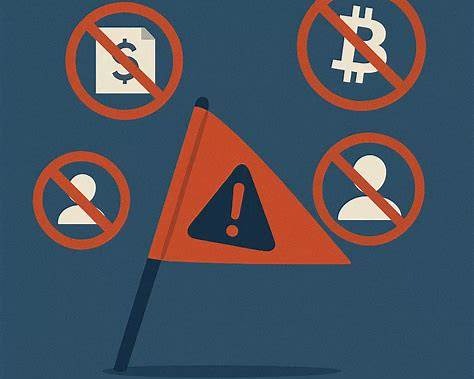

Alt text 1: identifying red flags in cloud mining offers through verification
Alt text 2: major warning signs and red flags in cloud mining offers
Conclusion
Evaluating red flags in cloud mining offers protects buyers from fraudulent services that rely on synthetic dashboards, unrealistic ROI projections, fake hardware evidence and vague contract terms. Real cloud mining requires ASIC hardware such as Antminer S19 and Antminer S21 units available from BitcoinMinerSales.com mounted in transparent, verifiable facilities supported by hosting and colocation through BitcoinMinerSales.com. Mining profitability depends on difficulty, power cost, uptime and BTC price. Therefore, any offer that guarantees unrealistic returns without pool verification or hardware transparency likely operates without real PoW activity. Using illustrative ROI at $0.085/kWh allows buyers to compare claims against realistic economic models. Recognizing these patterns helps investors make informed decisions and avoid cloud mining platforms designed to exploit user deposits rather than generate real mining performance.
FAQ
1. What is the biggest red flag in cloud mining offers?
The biggest red flag involves guaranteed or unrealistic ROI claims that ignore real mining economics.
2. Why does hardware evidence matter so much?
Because real mining requires physical ASIC units, which scammers do not own. Hardware proof confirms real operations.
3. How does pool verification help identify scams?
It proves that miners are performing PoW calculations and submitting accepted shares to real mining pools.
4. What power rate should I use for ROI estimates?
Use illustrative ROI at $0.085/kWh. Enterprise rates may apply, contact BitcoinMinerSales.com.
5. Are vague contracts a warning sign?
Yes, unclear contracts often indicate no real mining structure behind the platform.