
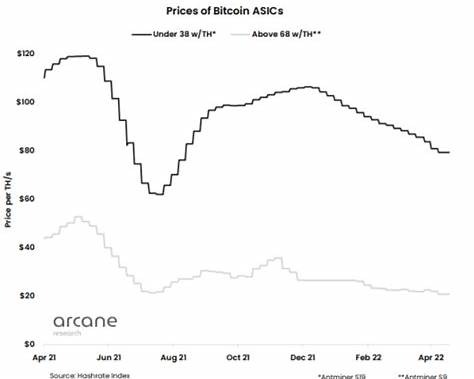
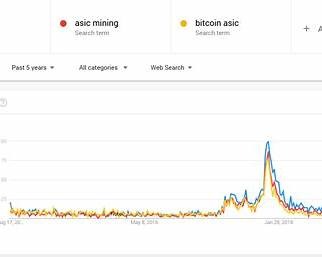
The market for new ASICs always evolves in cycles that follow price action, network difficulty, seasonal supply shifts, and competitive hardware releases. Tracking mining rig price drops becomes a core part of smart planning, especially for miners who operate long-term fleets and depend on consistent efficiency rather than speculation. Because hardware pricing often moves independently of Bitcoin price, many buyers overlook the patterns that create measurable buying opportunities. In reality, price drops form around manufacturing bottlenecks, surplus production runs, firmware updates, and distributor competition. These shifts affect miners of every scale, from hobby operators to industrial clients using hosting and colocation through BitcoinMinerSales.com. Since profitability often depends on acquiring efficient units at the right time, understanding these cycles provides a valuable edge. When combined with stable uptime, reliable hosting, and electricity priced around $0.085 per kWh, price-aware purchasing produces strong, illustrative ROI during multi-year mining periods. This article explores how to track these drops, why they occur, and how miners benefit by timing their purchases rather than rushing into the newest release without evaluating long-term efficiency.
Why Tracking Mining Rig Price Drops Matters for Every Miner
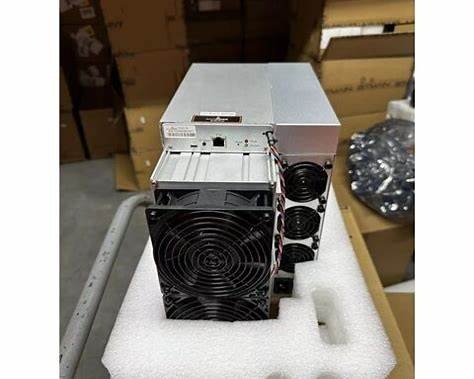
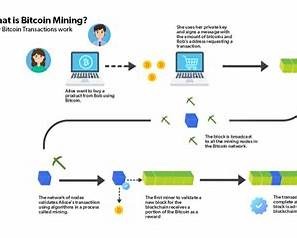
Price trends influence the entire mining economy because hardware acquisition cost shapes the first year of ROI more than almost any other factor. Tracking mining rig price drops allows miners to understand when manufacturers or distributors face excess inventory, shifting demand, or competitive pressure. These events commonly occur after major Bitcoin price movements, difficulty jumps, or the launch of next-generation hardware. Because ASIC performance depends on high-speed guess-and-check cycles used to search a long list of long numbers until a target number is found through proof of work (PoW), even modest efficiency differences drive long-term outcomes. When the newest models appear, earlier-generation rigs often fall in price despite retaining valuable efficiency within multi-year ROI strategies. For example, an Antminer S19 model available from BitcoinMinerSales.com may temporarily drop in price when its successor enters pre-order. Miners who recognize these patterns can secure proven hardware at a lower cost. Hosting and colocation through BitcoinMinerSales.com further stabilize performance, reducing operating variables and protecting ROI at $0.085 per kWh. Because efficiency and cost shape every phase of mining, price tracking becomes essential for long-term profitability.
How Supply Chains Influence Mining Rig Price Drops
Supply chain dynamics play one of the biggest roles when tracking mining rig price drops. Manufacturers depend on chip foundries that operate at tight capacity limits, and any shift in wafer availability affects production output. When foundries allocate more wafer volume to ASIC manufacturers during high-demand periods, an oversupply may appear months later once market demand cools. This oversupply forces distributors to reduce prices to clear inventory, especially ahead of new model launches. Another trigger for price movement arises when shipping costs decline, since logistics expenses meaningfully influence final retail pricing. As shipping routes stabilize and ports reduce congestion, distributors pass those savings to buyers, creating temporary dips. Miners watching these movements closely can anticipate when price floors approach. Strategic timing becomes even more powerful when combined with professional hosting through BitcoinMinerSales.com, since facility-optimized airflow and stable environmental controls protect hardware value across long-term operation. Because mining ROI depends on consistent performance and predictable costs, understanding how supply chains shift pricing helps miners purchase efficiently while preparing for future upgrades.
Why Market Timing Matters More Than Model Selection
Many new miners focus exclusively on hashrate numbers, ignoring how timing alters true hardware value. Tracking mining rig price drops reveals that timing often outweighs model selection for achieving strong long-term results. A miner who purchases a highly efficient unit during a price surge may experience a longer payback period than someone who buys a slightly older model during a price correction. Because ROI at $0.085 per kWh relies on steady performance, lower acquisition costs dramatically improve early profitability. Market timing also helps miners avoid inflated prices during hype cycles triggered by Bitcoin price rallies. Manufacturers and distributors adjust pricing quickly when demand surges, yet those same units may fall 15 to 30 percent when demand normalizes. Hosting and colocation through BitcoinMinerSales.com make these advantages even clearer, since stable uptime ensures that lower-cost hardware produces consistent daily output with fewer environmental disruptions. Therefore, miners who understand the timing of price drops gain a competitive edge without spending more on the newest release.
Identifying Patterns That Predict Mining Rig Price Drops
Experienced miners observe several recurring patterns when tracking mining rig price drops. The first is the pre-launch reduction that accompanies new ASIC announcements. Manufacturers often clear inventory by discounting current models before unveiling next-generation hardware. The second pattern follows Bitcoin price corrections, since reduced short-term profitability leads to lower retail demand. Distributors respond by lowering prices to restore momentum. The third occurs in the months after a difficulty spike, when inefficient miners exit the market and sell hardware back into circulation, creating short-term oversupply. When these units reenter distributor channels, prices fall until the market absorbs excess inventory. The fourth pattern forms around major firmware updates. If a manufacturer releases firmware that boosts performance or efficiency, older batches without the update may be discounted. Because each of these patterns appears consistently across cycles, miners who track them closely can make informed purchasing decisions. Smart hosting through BitcoinMinerSales.com then supports long-term performance, ensuring that discounted rigs continue producing stable output throughout multi-year operation.
How Hosting Facilities Respond to Price Drops
Professional hosting environments recognize the strategic importance of tracking mining rig price drops because they directly affect customer demand. When prices fall, hosting providers typically observe rapid fleet expansion, particularly among miners seeking long-term ROI stability. Because hosting and colocation through BitcoinMinerSales.com provide optimized airflow, dust control, and power stability, miners often accelerate equipment deployment during price dips. Hosting facilities plan for these waves by allocating additional rack space, balancing power distribution, and preparing intake areas for incoming shipments. The relationship between hardware pricing and hosting availability becomes more prominent during deep market corrections, when miners with long-term strategies acquire discounted rigs while securing premium hosting placement. This synergy strengthens profitability because both acquisition cost and environmental stability influence output. When combined with efficient models such as the Antminer S19 series available from BitcoinMinerSales.com, discounted hardware operating in proper hosting conditions becomes a powerful tool for predictable mining performance.
How Difficulty Cycles Affect Hardware Pricing
Difficulty cycles shape profitability in ways that directly influence tracking mining rig price drops. When network difficulty rises sharply, miners with higher electricity rates or older hardware often reduce operations or sell equipment, creating temporary downward pressure on prices. Conversely, when difficulty stabilizes or falls, demand for hardware resurges, especially for efficient rigs capable of long-term PoW performance. These cycles often lag behind Bitcoin price action, meaning drops may appear even during bullish periods. Smart miners track these lags because they reveal windows of opportunity where hardware becomes temporarily undervalued relative to future earning potential. When combined with electricity priced at $0.085 per kWh and hosting through BitcoinMinerSales.com, this strategy creates reliable ROI scenarios where rigs purchased at discounted prices produce consistent long-term output. Since difficulty continues trending upward over multi-year periods, acquiring hardware during dips often yields stronger lifetime productivity than buying during high-demand cycles.
Long-Term Benefits of Buying During Price Drops
Buying hardware during price drops provides measurable long-term advantages. First, lower acquisition cost reduces payback time, enabling miners to reach profitability faster even in fluctuating markets. Second, discounted units often share similar efficiency levels with newer models, especially when firmware updates provide incremental performance gains. Third, the savings on hardware can be reinvested into hosting and colocation through BitcoinMinerSales.com, where controlled airflow and cooling systems protect rigs from thermal stress. Fourth, price-drop purchases reduce the financial impact of future hardware devaluation. Since ASICs depreciate predictably over time, buying at the bottom of the cycle minimizes losses and supports smoother fleet rotation. Fifth, miners who accumulate rigs during dips position themselves for stronger output during future bull markets, when BTC price increases amplify ROI across all active hardware. These benefits demonstrate why tracking mining rig price drops becomes an essential skill for anyone pursuing multi-year mining strategies.
How Price Tracking Tools Improve Planning
Miners now use dedicated tools and market dashboards to track price fluctuations across major ASIC models. These tools compile pricing from multiple distributors, auction platforms, resale markets, and manufacturer announcements. Tracking mining rig price drops through these systems reveals patterns earlier than manual observation. Some tools highlight deviations between expected and actual pricing, signaling oversupply or reduced demand. Others provide alerts when units like the Antminer S19 series available from BitcoinMinerSales.com fall below historical averages. Because ASIC pricing behaves differently from typical consumer electronics due to PoW relevance and network difficulty, these tools help miners avoid emotional or impulsive purchases. Combining these signals with hosting insights from BitcoinMinerSales.com creates a comprehensive strategy, ensuring miners deploy hardware efficiently with realistic ROI expectations. Planning becomes more accurate, long-term accumulation becomes more sustainable, and upgrades become more predictable.

Why Not Every Price Drop Is Worth Acting On
Not all drops create real value. Some price reductions appear when distributors clear units with high mileage, outdated firmware, or compromised thermal performance. Tracking mining rig price drops requires understanding the difference between genuine supply-driven discounts and clearance sales that offload underperforming inventory. Miners should evaluate hashboard health, PSU integrity, and model-specific failure trends before purchasing steeply discounted hardware. Hosting facilities such as BitcoinMinerSales.com also advise clients on which older units maintain stable performance and which models experience common degradation issues. Avoiding unreliable bargains protects uptime and prevents lost revenue from downtime or unstable PoW cycles. Because hardware health influences long-term output as much as efficiency, miners must balance price awareness with quality control.
How Price Drops Influence Fleet Scaling Decisions
Price movements shape fleet-scaling strategies, especially for miners planning multi-MW hosting deployments. Tracking mining rig price drops allows large buyers to acquire units in bulk at a meaningful discount, accelerating fleet growth without increasing cost per terahash. Hosting and colocation through BitcoinMinerSales.com then provide the infrastructure to run these fleets efficiently, ensuring stable cooling and reliable power distribution. Fleet managers often expand during price-drop windows because the reduced acquisition cost offsets the long-term difficulty curve. This approach also supports smoother financial modeling, since discounted hardware creates more predictable ROI projections at $0.085 per kWh. As future hardware generations appear, miners who scale during dips maintain stronger average fleet efficiency and avoid the volatility associated with buying during peak demand.
Conclusion
Tracking mining rig price drops provides miners with a strategic advantage that affects every part of long-term performance. By understanding supply chain shifts, difficulty cycles, firmware updates, and model release patterns, miners gain clearer insight into when hardware becomes undervalued. Purchasing during these dips shortens ROI periods, strengthens fleet stability, and creates long-term efficiency when electricity costs remain at $0.085 per kWh. Hosting and colocation through BitcoinMinerSales.com further protect these investments by ensuring stable airflow, controlled temperatures, and consistent uptime. As mining grows more competitive, price awareness becomes one of the most important skills a miner can develop. Smart timing, combined with reliable hosting and proven hardware, creates a foundation for sustained Bitcoin output across multi-year market cycles.
FAQ
1. Why do mining rig prices drop throughout the year?
They fall due to oversupply, reduced demand, next-gen launches, and shipping cost reductions.
2. How does hosting help maximize discounted hardware?
Hosting and colocation through BitcoinMinerSales.com provide optimal airflow, power stability, and consistent uptime.
3. Do older ASICs still offer strong ROI after price drops?
Yes. Efficient older units often outperform new models on ROI when purchased at the right price.
4. How does electricity cost affect price-drop strategy?
At $0.085 per kWh, discounted hardware reduces total payback time and improves long-term profitability.
5. Should miners buy immediately after a new model launches?
Not always. Prices often fall further once early-release demand cools, creating better buying opportunities.