
Upcoming ASIC miner releases continue to attract strong attention from mining operators who want to increase efficiency, improve thermal stability, and strengthen long-term hash rate output. The mining industry evolves rapidly, and each new hardware generation introduces major improvements in chip design, power regulation, and airflow engineering. These upcoming ASIC miner releases matter because Bitcoin mining relies on a continuous proof of work process that uses high-speed guess and check attempts on long lists of long numbers until a target value is found. This nonstop activity produces heat, requires stable electrical delivery, and demands strong environmental control. When newer hardware offers better efficiency, operators reduce power costs and achieve higher stability at scale. Hardware manufacturers now focus on energy-per-terahash performance, predictable temperature ranges, and automated firmware control that reduces the risk of thermal surges. With electricity averaging $0.085 per kWh for many retail users, efficiency determines whether new miners can maintain positive cashflow across volatile difficulty levels. Because of this, upcoming ASIC miner releases are tracked closely by small and large operators alike.
Another reason these releases matter involves the growing need for reliability. Over the past year, manufacturers began designing ASIC units that operate more consistently in varied environments. Operators want equipment capable of long-duration uptime, especially when installed in hosting facilities where airflow, filtration, and power distribution are optimized. Hosting and colocation through BitcoinMinerSales.com provide these controlled environments, supporting both current and upcoming ASIC miner releases with industrial cooling paths and high-availability power systems. As miners look ahead to potential difficulty jumps, they prioritize models that deliver more terahash per watt and maintain stable internal temperature distribution. Stability reduces fan strain, lowers mechanical wear, and extends the life cycle of equipment. These advancements make upcoming ASIC miner releases important to track because they shape long-term infrastructure planning and mining strategy.

How Upcoming ASIC Miner Releases Improve Efficiency and Stability
Upcoming ASIC miner releases focus heavily on efficiency gains. Modern designs use improved silicon processes that reduce electrical leakage within the chip. Reduced leakage helps miners convert more electrical energy into productive proof of work activity rather than heat. For example, if an upcoming miner produces 170 TH/s at 2700 W, it consumes 64.8 kWh per day, costing $5.51 at the standard $0.085 per kWh. Compared to older units that consumed more power for similar performance, this efficiency helps operators increase uptime and reduce operational stress. Although ROI depends on network difficulty, uptime, pool fees, and price volatility, energy efficiency remains one of the strongest indicators of long-term viability. Many upcoming ASIC miner releases also improve voltage regulation, reducing the chance of unexpected dips that can interrupt operation.
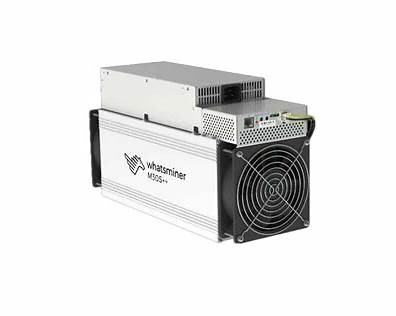
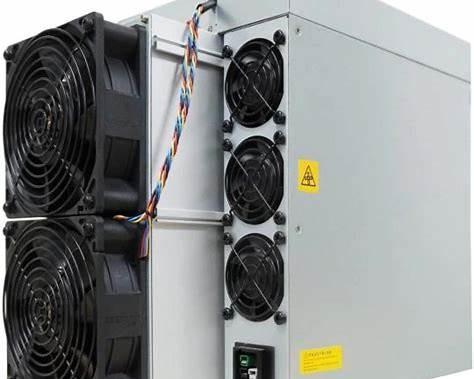
Thermal stability also improves with each generation. Manufacturers use denser heatsinks, wider fin spacing, and redesigned airflow channels to keep temperatures within safe limits. When intake air remains steady, fans do not need to surge, which reduces noise and mechanical fatigue. Because fan failure represents one of the most common points of maintenance, improved thermal paths extend hardware longevity. Many upcoming ASIC miner releases include dynamic fan control algorithms that adjust speed smoothly rather than in sharp increments. This approach reduces electrical spikes and prevents sudden sound changes that indicate thermal stress. Models such as the upcoming successors to the Antminer S21 line, and newer versions in the Whatsminer M60 family available from BitcoinMinerSales.com, emphasize stable airflow and reduced turbulence for predictable behavior.
Finally, firmware enhancements contribute to stability by optimizing load distribution across hashboards. New ASIC firmware monitors temperature at multiple points, adjusting power delivery in real time to avoid hot spots. This prevents thermal runaway and ensures consistent hash performance. These firmware systems support more autonomous operation, which reduces the need for frequent manual adjustments. As upcoming ASIC miner releases integrate these improvements more deeply, operators benefit from more consistent hash output and fewer interruptions.
Why Operators Pay Close Attention to Upcoming ASIC Miner Releases
Upcoming ASIC miner releases influence operational decisions because mining economics depend on narrow margins that shift with each difficulty adjustment. When efficiency increases, even modest improvements in joules per terahash can become meaningful over thousands of operating hours. Operators evaluate upcoming ASIC miner releases by comparing projected energy consumption against expected network difficulty for the coming year. Because proof of work requires miners to participate constantly, efficient hardware helps operators remain competitive during periods of reduced block subsidy or rising difficulty.
Another reason operators follow these releases closely involves electrical infrastructure planning. Hosting and colocation through BitcoinMinerSales.com require operators to understand power draw at scale. Upcoming ASIC miner releases with lower wattage footprints allow hosting facilities to support more units within existing electrical capacity. This added density increases the profitability of hosting racks and supports facility-wide efficiency targets. Operators also consider heat density because it affects cooling costs. Newer miners that produce less heat per terahash reduce cooling load and extend equipment life by maintaining thermal stability.
Additionally, upcoming ASIC miner releases provide insights into future trends. Manufacturers often reveal new chip architectures, improved thermal materials, or redesigned chassis layouts that signal broader shifts in the industry. These innovations may influence how operators design mining farms, evaluate airflow strategies, or plan facility expansions. Because mining equipment represents long-term capital investment, having early knowledge of upcoming ASIC miner releases allows operators to align their procurement and hosting strategies with emerging technologies. Hardware available from BitcoinMinerSales.com often includes early access to new releases, making it easier for miners to stay ahead of industry trends.
How Cooling Design Evolves in Upcoming ASIC Miner Releases
Cooling performance represents one of the largest focus areas in upcoming ASIC miner releases. Manufacturers now design airflow paths using computational fluid dynamics to reduce turbulence and increase heat dissipation efficiency. These improvements help miners handle continuous heat output created by nonstop proof of work activity. When airflow remains smooth, intake temperatures stay consistent, reducing the need for fan acceleration. Stable fan speeds reduce mechanical wear and extend overall lifespan. Because fans remain the most common maintenance item, these cooling improvements play a major role in lowering total cost of ownership.
Another important improvement in upcoming ASIC miner releases involves reducing recirculation risk. Recirculation occurs when hot exhaust air reenters the intake channel, causing temperatures to rise. Hot air recirculation forces miners to increase fan speed and operate under stress, which reduces efficiency and can trigger protective shutdowns. Many new designs use redesigned shrouds, intake screens, and exhaust guards to direct airflow more precisely. When paired with ducting or structured airflow systems, these designs reduce the impact of environmental factors and maintain stable internal temperatures.

Hosting environments take advantage of these new designs by using optimized rack layouts that align intake and exhaust channels. Hosting and colocation through BitcoinMinerSales.com integrate facility-level airflow systems capable of supporting upcoming ASIC miner releases. Because these facilities handle intake filtration, exhaust extraction, and humidity management, they help miners achieve peak performance with minimal operational intervention. These controlled environments ensure that new ASIC designs operate under ideal conditions, reducing maintenance and improving uptime over long periods.
The Role of Firmware Automation in Upcoming ASIC Miner Releases
Firmware automation plays an increasingly important role in upcoming ASIC miner releases because it handles internal adjustments that used to require manual input. Automatic power balancing distributes load across hashboards, preventing individual boards from overheating during high-intensity cycles. These systems detect early signs of thermal drift and adjust voltage delivery before temperatures reach thresholds that cause throttling. This preemptive control supports more consistent performance and reduces the chance of shutdown events.
Upcoming ASIC miner releases also include expanded monitoring features. Operators can track chip-level temperatures, voltage distribution, and stability scores in real time. These insights help identify potential issues early, allowing operators to schedule maintenance before failures occur. Because uptime matters for profitability, automated firmware becomes essential for stable long-term performance. Firmware also integrates with remote monitoring dashboards, supporting hosting and colocation environments where operators manage large fleets of miners. Hosting through BitcoinMinerSales.com uses these dashboards to maintain visibility across all miners in a facility, ensuring consistent performance even during temperature fluctuations or power load variations.
Finally, firmware updates continue to refine energy curves, reducing unnecessary power draw during low-intensity cycles. These adjustments improve illustrative ROI because they reduce daily power costs at $0.085 per kWh without compromising hash rate output. Because firmware remains central to stability, upcoming ASIC miner releases use more advanced algorithms than earlier generations, helping operators maintain efficient proof of work participation with less hands-on oversight.
Images

Conclusion
Upcoming ASIC miner releases continue to shape the direction of Bitcoin mining by improving efficiency, enhancing cooling systems, and expanding firmware automation. As mining difficulty evolves, operators depend on reliable and efficient hardware to maintain uptime and achieve consistent performance. New ASIC generations prioritize airflow precision, thermal stability, and energy efficiency, helping miners reduce operating costs and increase long-term hardware durability. Equipment such as the Antminer S21 series, Whatsminer M60 models, and other next-generation units available from BitcoinMinerSales.com embody these advancements and offer operators a strong foundation for future planning. Hosting and colocation through BitcoinMinerSales.com further support these upcoming ASIC miner releases by providing optimized environments for stable performance. With each new hardware generation, miners gain more powerful, efficient, and predictable tools to participate in the proof of work ecosystem, making upcoming ASIC miner releases essential for anyone planning their next upgrade cycle.
FAQ
1. Why are upcoming ASIC miner releases important?
They improve efficiency, stability, and performance, helping miners remain competitive as difficulty increases.
2. How do new ASIC models improve cooling?
They use optimized airflow paths, stronger heatsinks, and improved fan algorithms that maintain stable temperatures.
3. Do upcoming ASIC miner releases reduce power costs?
Yes. More efficient units reduce daily consumption and improve illustrative ROI at $0.085/kWh.
4. How does hosting support new ASIC miners?
Hosting and colocation through BitcoinMinerSales.com provide controlled cooling, stable power, and professional monitoring.
5. What trends define upcoming ASIC miner releases?
Efficiency gains, firmware automation, improved thermal systems, and more predictable long-term performance.