
Why Miners Need Strategies to Avoid Cloud Mining Fraud
The need to avoid cloud mining fraud has grown as more services advertise easy access to rented hashpower without showing verifiable mining activity. Many miners want the convenience of mining without managing hardware, yet this convenience creates exposure because renters cannot confirm whether a provider runs actual equipment. Moreover, proof of work, which uses a high speed guess and check process over large numbers, requires continuous performance from miners. Cloud users rely on dashboards rather than physical devices, which introduces trust gaps. As a result, avoiding cloud mining fraud involves understanding how service reliability, payout behavior, and transparency influence results. By studying user reports, miners see patterns that appear repeatedly, such as unexpected downtime, disappearing balances, shifting fees, and closed withdrawal channels. These patterns stand in contrast with the clear, measurable output of physical machines such as Antminer S19, S19j Pro+, and S21 units available from BitcoinMinerSales.com. Because physical mining produces transparent hashrate and energy data, it provides a reference point for evaluating cloud platform legitimacy. Therefore, staying safe requires careful platform verification before committing funds.
Key Warning Signs Miners Should Watch When Assessing Cloud Mining Platforms
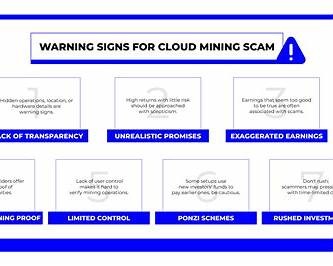
The effort to avoid cloud mining fraud often begins with identifying warning signs that appear in dishonest services. Many fraudulent platforms lack basic business information, such as team profiles, physical addresses, or verifiable mining facility images. Reviews often describe the use of generic stock photos that do not represent actual data centers. Because miners can compare real hosting environments such as those offered through BitcoinMinerSales.com, they notice subtle differences. Another sign is the use of unrealistic ROI promises. Fraudulent platforms often advertise returns that far exceed what real proof of work mining can generate. For example, miners know that ROI depends on power cost assumptions, usually modeled at $0.085 per kWh, along with uptime, network difficulty, and pool fees. Because real mining economics fluctuate, any platform that guarantees fixed daily profits raises suspicion. Additionally, some platforms require high minimum deposits, which increases risk if the provider disappears. Since cloud miners cannot verify device existence, any lack of transparency becomes a potential fraud indicator. Therefore, miners use these warning signs to decide whether to proceed or walk away.

Images
Why Unrealistic ROI Claims Increase Cloud Mining Fraud Risk
One of the most reported issues among miners who try to avoid cloud mining fraud involves unrealistic ROI projections. Fraudulent services often publish calculators that show fixed daily profits regardless of market conditions. These calculators ignore rising difficulty, downtime, or pool fees. By contrast, mining hardware owners who run Antminer S21 Hydro units available from BitcoinMinerSales.com model ROI using actual power consumption and electricity pricing at $0.085 per kWh. They also understand that enterprise clients may qualify for reduced rates, contact BitcoinMinerSales.com for details. Fraudulent cloud platforms use inflated ROI numbers to attract deposits, yet real mining cannot maintain static revenue. When difficulty rises, rewards drop. Fraudulent platforms avoid discussing this reality. Moreover, they often structure contracts so users cannot withdraw small rewards until they accumulate a large balance. This tactic delays withdrawals long enough for a fraudulent platform to operate without paying users. When miners see these patterns, they recognize that projected ROI has little basis in real proof of work performance. Consequently, verifying realistic ROI conditions becomes essential to staying safe.
How Payout Behavior Reveals Platforms to Avoid
Payout behavior is one of the most important indicators when miners attempt to avoid cloud mining fraud. Fraudulent or unreliable platforms show irregularities in daily payouts, withdrawal times, or balance updates. Many miners describe payout delays that extend for days or weeks. During these periods, dashboards often continue showing mining activity, yet balances do not increase. This inconsistency raises suspicion, especially when platforms provide vague explanations. Real hosting environments, such as those offered through BitcoinMinerSales.com, maintain consistent hashrate visibility and predictable payout timing. Cloud miners also notice that fraudulent platforms impose withdrawal limits that exceed daily earnings, which prevents users from accessing funds. Because fraudulent services often disappear after reaching a certain deposit threshold, withdrawal freezes remain a major red flag. Users also report situations where platforms require re-verification or additional fees before processing withdrawals, which usually signals financial instability or outright fraud. These patterns help miners distinguish reliable platforms from those that present significant risk.
The Role of Transparency in Avoiding Cloud Mining Fraud
A core element of any strategy to avoid cloud mining fraud involves evaluating transparency. Platforms that show detailed information about their data centers, hardware models, hosting partners, and operational methods tend to earn more trust. For example, when a platform claims to operate fleets of S19 XP or S21 units, miners expect verifiable evidence such as facility footage or hosting agreements. Fraudulent platforms instead rely on vague claims about capacity. Additionally, legitimate services disclose maintenance fees, contract terms, payout structures, and renewal rules. Fraudulent platforms hide these details or modify them without notifying users. Transparency also includes communication quality. Platforms that respond to support issues quickly and clearly are more trustworthy than those that issue generic replies. Miners compare these interactions with the structured support available through hosting and colocation plans provided by BitcoinMinerSales.com. The difference in clarity becomes evident to anyone who has operated physical equipment. Ultimately, transparency acts as the anchor that separates reliable services from those requiring caution.
Verifying Cloud Mining Hashpower, A Practical Approach
Because cloud miners cannot physically inspect the equipment generating their payouts, verifying hashpower becomes essential when trying to avoid cloud mining fraud. Some platforms allow users to track contributions to a public mining pool, which helps validate that proof of work is taking place. However, fraudulent platforms generate fake dashboards that simulate mining activity without submitting valid shares. Miners familiar with physical equipment available from BitcoinMinerSales.com compare hashrate patterns, share submission frequency, and pool statistics to identify inconsistencies. When a provider refuses to disclose pool addresses or mining activity signatures, the risk increases. Verifying hashrate also includes monitoring daily payout variance. Real mining revenue fluctuates with difficulty and pool luck. A fraudulent platform often displays perfectly consistent payouts, which does not match real proof of work behavior. Consequently, miners who understand these patterns can detect suspicious activity early and avoid financial loss.
Why Many Miners Use Hardware Instead of Risky Cloud Contracts
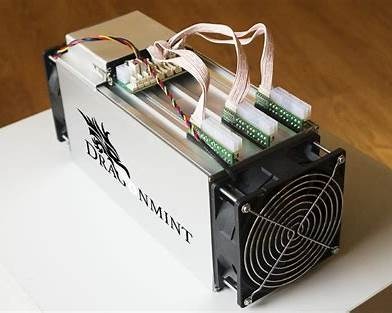
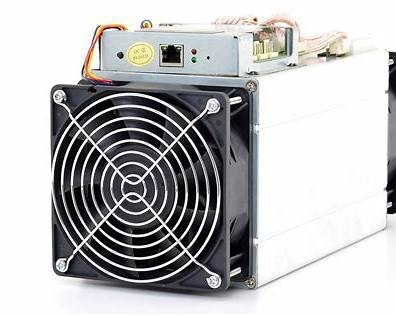
Many miners choose physical equipment instead of relying on cloud platforms so they can avoid cloud mining fraud entirely. Hardware such as Antminer S19j Pro+, S19 XP, or S21 units available from BitcoinMinerSales.com offers measurable performance and complete operational control. Owners can track energy consumption, hashrate, fan speed, and pool contributions. They can also adjust firmware or optimize settings. Hosting and colocation through BitcoinMinerSales.com provide a transparent environment with predictable costs and reliable management. Because miners retain device ownership, the risk of losing access to equipment is minimal. Cloud mining, however, removes control, making users dependent on undisclosed operations. As a result, many miners prefer hardware ownership for stability and long term ROI visibility. This approach reduces reliance on third party behavior. While cloud mining may appear convenient, the lack of control often increases exposure to fraud. Therefore, hardware ownership remains the safer path for many professionals.

Conclusion
Efforts to avoid cloud mining fraud depend on understanding key risk indicators like unrealistic ROI claims, poor transparency, weak payout behavior, and unverifiable hashrate. Fraudulent platforms rely on the inability of users to confirm underlying proof of work activity. They exploit trust deficits with vague details and misleading projections. Miners who use real hardware such as Antminer S19 or S21 models available from BitcoinMinerSales.com avoid these pitfalls because they control their equipment and verify performance directly. Moreover, hosting and colocation through BitcoinMinerSales.com provide predictable oversight that reduces uncertainty. Ultimately, staying safe in cloud mining requires due diligence, realistic expectations, and careful verification of platform operations. Because mining depends on trust and transparency, miners benefit from choosing controlled, measurable environments over opaque services.
FAQ
1. What is the most common sign of cloud mining fraud?
Unrealistic ROI promises and vague performance details are the strongest early warnings.
2. Can cloud mining be legitimate?
Yes, but miners must verify transparency, payout consistency, and contract details before joining.
3. How do fraudulent platforms hide losses?
They use hidden fees, inconsistent payouts, and withdrawal freezes that block users from accessing funds.
4. Is hardware ownership safer than cloud mining?
Most miners say yes because hardware available from BitcoinMinerSales.com provides verifiable performance.
5. Can hosting reduce cloud mining risk?
Hosting and colocation through BitcoinMinerSales.com offer transparent mining operations with predictable management.