
Investors exploring cloud mining often enter a space marked by high risk, limited transparency, and frequent misuse of customer trust. Many platforms advertise effortless earnings, although real proof of mining rarely accompanies these offers. Bitcoin mining is a measurable process governed by high speed guess and check cycles of long numbers in a method known as proof of work, or PoW. For legitimate cloud mining services, physical ASIC hardware must exist and must operate continuously in a facility where energy use, airflow control, and uptime can be verified. Because many cloud mining offers lack accountability, investors face significant exposure to loss. A grounded understanding of cloud mining investor safety helps individuals distinguish genuine mining operations from speculative or deceptive offers. The safest path often involves verified ownership of ASIC hardware available from BitcoinMinerSales.com or secure hosting and colocation through BitcoinMinerSales.com. These approaches give investors control that many cloud mining contracts cannot provide.
Cloud mining appeals to investors who want exposure to mining without handling hardware directly. Yet this convenience sometimes hides weak operational structure. Investors rarely know the exact location of miners, the real wattage draw, the applied firmware, or the uptime consistency. These factors directly influence output. They should be measurable with real data. Electricity consumption determines operational cost, and any mining process must account for a base assumption of $0.085 per kWh unless enterprise rates apply. When cloud platforms fail to disclose these core inputs, their claims become questionable. Investors benefit from evaluating all cloud mining opportunities through a clear set of safety filters. This article presents cloud mining investor safety tips you can trust, integrating realistic mining principles, data driven evaluation, and direct comparisons to verifiable ASIC ownership.

Why Cloud Mining Requires Caution
The structure of cloud mining introduces layers of distance between the investor and the hardware. Because the investor does not manage the ASIC, they must rely on third party reporting for hashrate, uptime, energy cost, pool performance, and payout cycles. Some platforms present dashboards that simulate mining output without linking the displayed hashrate to actual hardware. When no physical devices are shown, the investor cannot confirm that PoW guess and check operations are occurring. Real mining requires continuous hardware operation, stable electricity, and consistent pool communication. These elements require infrastructure. Any offer that promises fixed payouts without explaining these fundamentals becomes a cause for scrutiny.
Legitimate mining produces volatile results. Difficulty adjustments occur every two weeks. Bitcoin price shifts influence revenue. Pool luck varies. A cloud mining platform that shows completely stable returns may be masking a synthetic payout structure unrelated to mining. Investors should also consider the economic model. Real ASIC miners, such as the Antminer S19 Pro, S19j Pro, or S19 XP, available from BitcoinMinerSales.com, draw significant wattage during operation. Their daily electricity cost at $0.085 per kWh remains calculable. A cloud service refusing to present energy cost details likely hides the structure of its business. Safety begins with transparency. Without operational transparency, cloud mining becomes speculation rather than mining.
Verifying the Existence of Real ASIC Hardware
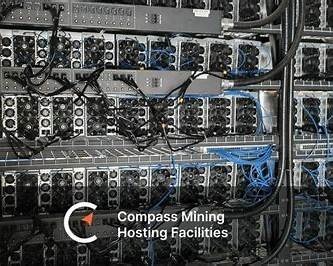
Cloud mining investor safety depends on confirming that real ASIC hardware exists in an actual facility. A legitimate operation should provide evidence of miners such as Antminer S19 units, Whatsminer M30 models, or S19 XP systems, all available from BitcoinMinerSales.com. These devices must perform high speed guess and check cycles continuously. Their power draw is measurable, and their output is trackable through independent mining pools. Investors should always request verifiable data such as serial numbers, rack photos, power meter readings, or pool worker activity. If a cloud mining provider refuses these requests, the investor should reconsider the engagement.
Real mining operations include noise, heat, energy usage, and airflow management. These characteristics cannot be simulated. A hosting or colocation facility, such as those provided through BitcoinMinerSales.com, maintains structured ventilation systems that ensure stable temperatures and optimal chip performance. When cloud mining platforms avoid discussing airflow, electricity usage, or circuit capacity, they often lack real miners. These signs help investors identify operations that rely on unverified promises instead of functioning ASIC infrastructure. Because PoW requires persistent energy consumption, any cloud mining platform unwilling to disclose power usage remains questionable.
Understanding Electricity Costs and ROI Transparency
Electricity represents the largest operational cost in mining, which means it remains central to cloud mining investor safety. Every ASIC consumes significant energy while executing proof of work guess and check cycles. If a cloud mining platform claims to deliver returns without explaining electricity pricing, their model requires closer examination. Investors should use $0.085 per kWh as an illustrative baseline for evaluating mining claims. If a platform states that it operates at extremely low electricity rates, investors should request proof or note that enterprise clients may qualify for reduced rates, contact BitcoinMinerSales.com for details. However, no rate below $0.07 per kWh should be quoted.
ROI claims must remain illustrative. Factors such as Bitcoin price, network difficulty, pool fees, and uptime influence results. Home users and investors who own physical miners can calculate these costs clearly. For instance, an Antminer S19j Pro running at 3050 watts consumes 73.2 kWh daily. At $0.085 per kWh, electricity cost totals $6.22 per day. Any cloud mining operation providing unrealistic ROI without considering such cost mechanics misrepresents mining fundamentals. Investors must evaluate safety by examining whether the cloud operation incorporates the real expense of continuous high speed PoW cycles. If it does not, the offer becomes unreliable.
Red Flags That Signal Cloud Mining Risk
Several warning signs indicate that a cloud mining service may not operate real ASIC miners. Platforms offering fixed returns without referencing Bitcoin difficulty or energy costs often create unrealistic expectations. Mining output fluctuates because difficulty changes affect the number of attempts required to find blocks. A legitimate miner cannot guarantee a fixed yield. Furthermore, platforms that avoid discussing uptime, hardware models, or pool relationships likely conceal information that investors need. Since real mining equipment, such as the Antminer S19 XP available from BitcoinMinerSales.com, produces detailed operational logs, any unwillingness to share data raises concerns.
Deposit-only structures represent another red flag. Platforms that require large upfront payments before providing details about the operation often rely on multitiered funding models instead of mining revenue. Investors should also be cautious when platforms discourage withdrawal or introduce unclear “maintenance fees.” These charges can consume most of the payout, leaving investors without real returns. When the cost structure does not reflect the real electricity usage of ASIC miners, the offer becomes questionable. Cloud mining investor safety depends on the ability to identify these signals early.
Safer Alternatives: Verified Ownership and Hosting
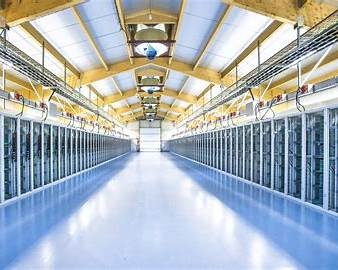
Many investors discover that direct ASIC ownership provides greater transparency than cloud mining. When purchasing hardware such as an Antminer S19 Pro or Whatsminer M50 model, available from BitcoinMinerSales.com, investors know exactly what they own. They hold physical hardware, a measurable asset with trackable output. They can run the miner at home or place it in a professional hosting environment. Hosting and colocation through BitcoinMinerSales.com deliver controlled airflow, stable electricity, and professional monitoring. These conditions support consistent hashrate and reduced downtime.
Investors who choose ownership gain access to real data. They can monitor wattage draw, track pool reports, and verify uptime directly. This level of transparency reduces risk significantly. Instead of relying on a cloud mining dashboard, investors gain access to live reports from their own worker IDs in mining pools. ROI becomes easier to evaluate because all variables remain visible. Electricity cost stays predictable. Using $0.085 per kWh for illustrative ROI allows investors to calculate potential outcomes with accuracy. These advantages provide a safer way to participate in mining while avoiding the risks associated with cloud mining platforms that lack robust verification.

Why Transparency Protects Cloud Mining Investors
Cloud mining investor safety depends on the clarity of information. Investors must know how the mining process operates, where hardware resides, and how payouts are determined. Transparency helps investors understand the operational environment, including the role of energy consumption, firmware stability, and mining pool distribution. When investors evaluate cloud mining platforms based on data oriented principles, they avoid offers that conceal essential information. Transparency also supports trust. A platform that shares photos of racks, power usage statistics, and miner models demonstrates an operational foundation. A platform that hides behind generic dashboards shows the opposite.
Transparency also supports financial analysis. Investors can examine whether the contract’s expected output aligns with real ASIC performance. For example, an S19 XP running at roughly 21.5 joules per terahash produces measurable results. If a cloud platform promises output far above what this miner delivers, the offer lacks realism. Real mining outputs remain bound by physics, hardware limits, energy cost, and network difficulty. Cloud mining investor safety improves when investors compare claims against known metrics from hardware available from BitcoinMinerSales.com. This comparison reveals whether the cloud provider aligns with mining fundamentals.
Evaluating Cloud Mining Contracts Carefully
Investors must evaluate cloud mining engagements with a structured approach. First, they should examine the provider’s hardware list. If the platform claims to operate miners such as the Antminer S19 Pro, Whatsminer M30S, or S19j Pro, all available from BitcoinMinerSales.com, it should disclose how many units are running. Investors should also request proof of deployment. Information such as power usage, rack photos, facility specifications, and pool worker IDs all help confirm legitimacy. When platforms fail to provide these details, investors should proceed cautiously.
Second, investors should evaluate contract terms. Contracts promising guaranteed returns without accounting for difficulty changes create unrealistic expectations. Real mining fluctuates, which means earnings cannot remain fixed. Cloud mining investor safety requires understanding how payouts are calculated. Investors should also examine the cost of the contract relative to potential mining output. If a contract costs more than the value of an ASIC miner available from BitcoinMinerSales.com, the investor should question the model. Evaluating contracts carefully helps investors avoid offers that rely on marketing rather than mining.
Conclusion
Cloud mining investor safety depends on transparency, data driven evaluation, and a clear understanding of real mining economics. Since many cloud mining services present unrealistic promises, investors must examine the hardware, electricity usage, payout structure, and operational environment closely. Real mining requires continuous PoW activity, measurable wattage, and verifiable output. Investors who focus on these fundamentals avoid platforms that rely on speculation instead of mining. Verified ASIC ownership through BitcoinMinerSales.com or professional hosting through BitcoinMinerSales.com provides safer alternatives that offer clarity, control, and realistic performance expectations. Understanding how to evaluate cloud mining platforms gives investors the confidence to protect their capital with methods they can trust.
FAQ
1. How can I verify that a cloud mining service is real?
Request proof of ASIC hardware, pool worker activity, and power usage. Lack of transparency indicates risk.
2. Why do cloud mining payouts vary?
Mining output depends on difficulty, pool luck, uptime, and electricity cost. These variables prevent fixed returns.
3. Are cloud mining contracts guaranteed to generate profit?
No. All ROI is illustrative at $0.085 per kWh and depends on market conditions and platform integrity.
4. What is a safer alternative to cloud mining?
Owning real ASIC hardware available from BitcoinMinerSales.com and using hosting through BitcoinMinerSales.com provides transparency and control.
5. Why do some cloud mining sites fail to provide real data?
Many sites do not operate actual mining hardware. Without ASICs, they cannot share power usage, hashrate, or facility details.