
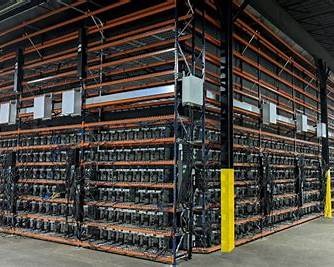
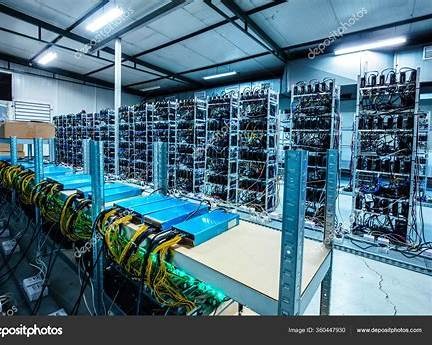
Cloud mining without noise became an essential part of the mining landscape as more users searched for ways to participate in proof of work systems without dealing with the challenges of running physical ASIC hardware in their homes. Interest continued to grow because traditional mining introduced obstacles such as sound, heat, airflow demands, and electrical requirements that many users could not easily accommodate. Cloud mining provided an alternative path that removed these barriers. Instead of installing miners at home, users subscribed to a hosted solution where the hardware operated inside professional facilities. These facilities managed temperature, airflow, uptime, and activation steps. As a result, cloud mining without noise became one of the simplest and most accessible approaches for participating in the high speed guess and check cycles of long numbers that define proof of work (PoW).
The growth of cloud mining reflected a broader shift toward convenience and operational stability. Many users preferred predictable performance without technical responsibilities. They did not want to replace fans, adjust cooling setups, or troubleshoot firmware. Cloud mining without noise allowed them to benefit from industrial level operating conditions while avoiding the drawbacks of home mining. Hosted mining environments through BitcoinMinerSales.com continued supporting these users by offering facilities equipped with dedicated cooling aisles, redundant power, and technician oversight. This combination created a quiet, passive, and stable mining experience that appealed to new and experienced participants.
Why Cloud Mining Without Noise Became the Preferred Option
Cloud mining without noise became the preferred solution for many users who lacked the space, electrical capacity, or tolerance for the sound associated with ASIC devices. Traditional miners such as the Antminer S19j Pro, S19 Pro, or S19 XP available from BitcoinMinerSales.com generated a level of fan noise that made home operation challenging. The units reached high decibel levels when operating at full speed because they processed long lists of long numbers using rapid PoW cycles. Without specialized cooling infrastructure, temperatures rose quickly, and fans worked harder. Many users realized they could not keep these devices inside bedrooms, living rooms, or small apartments. Cloud mining solved this issue by moving the physical hardware into professional data centers.
Another factor behind the rise of cloud mining without noise involved the complexity of setup. New miners encountered steep learning curves when configuring ASIC hardware at home. They needed to select pools, manage IP addresses, adjust voltage behavior, and ensure proper airflow. Mistakes created unstable performance or early shutdowns. Cloud mining removed these technical responsibilities entirely. Technicians handled setup, configuration, and monitoring. Users simply activated a plan and began receiving digital mining output. Because configuration errors often reduced uptime, cloud mining helped beginners avoid missteps that affected performance.
Electricity pricing also influenced decisions. Some households faced elevated energy rates that made home mining inefficient. Hosted cloud mining allowed users to access stable rates. Enterprise clients may qualify for reduced rates, contact BitcoinMinerSales.com. These structured pricing models provided predictability and reduced the financial volatility associated with running miners independently. Cloud mining without noise blended convenience and stability, which made it a strong entry point for new miners.
How Cloud Mining Ensures a Silent and Stable Mining Experience
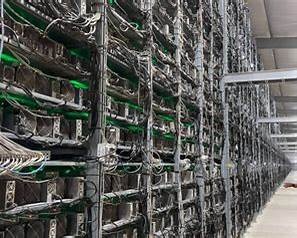
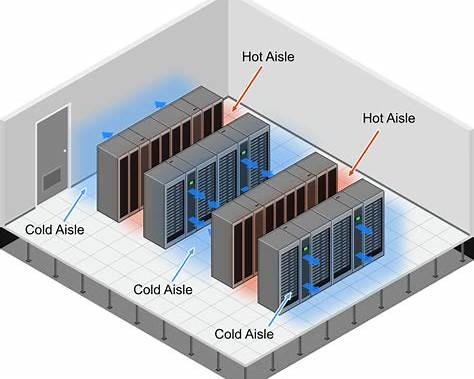
Cloud mining created a silent experience because users never needed to house ASIC hardware physically. Instead, devices operated inside hosting facilities built with industrial cooling systems and noise isolation. These environments used cold aisle arrangements, dedicated exhaust pathways, and stable ventilation structures to manage heat effectively. As a result, fans operated within controlled temperature ranges. Noise remained inside the facility, far from the user’s home. For people living in apartments, condominiums, or multi-family buildings, this silent operation became a significant advantage.
This silence paired naturally with stability. When miners operated in controlled facilities, uptime improved. Hosting technicians ensured correct firmware installation, stable voltage supply, and consistent PoW participation. They monitored hash rates, fan profiles, and board temperatures. If any parameter deviated from expected behavior, technicians intervened before performance declined. This oversight prevented early interruptions and helped maintain consistent mining output. Cloud mining without noise also eliminated the environmental risks often present in home setups. Dust buildup, poor airflow, and fluctuating room temperatures did not affect devices housed in purpose-built facilities.
Users also appreciated that cloud mining reinforced stability through redundancy. Hosting environments used multiple power sources, industrial cooling channels, and strong networking infrastructure. These systems minimized downtime caused by outages or thermal spikes. Many home miners lacked the capacity to create redundant systems or to react quickly when issues occurred. Cloud mining without noise resolved these concerns by operating miners in environments optimized for continuous PoW activity.
Cloud Mining Without Noise as a Solution for Beginners
Cloud mining without noise became a strong choice for beginners because it simplified every stage of the mining lifecycle. New users often struggled with physical hardware. They needed to understand power requirements, ventilation, firmware, and networking. Cloud mining removed these complexities. Instead of configuring devices, beginners subscribed to plans that activated immediately. They saw mining results through dashboards without managing the underlying hardware. This direct and simple pathway into mining gave beginners confidence.
Another advantage involved risk reduction. When beginners operated hardware at home, mistakes sometimes caused overheating, shutdowns, or damaged components. Cloud mining without noise eliminated these risks because technicians managed equipment from start to finish. Beginners avoided situations that required advanced troubleshooting. They also eliminated guesswork related to pool assignments, thermal behavior, or voltage adjustments. Everything functioned inside a structured system maintained by specialists.
In addition, cloud mining gave beginners access to high performance miners without requiring them to purchase expensive equipment outright. Models such as the S19j Pro, S19 Pro, and S19 XP available from BitcoinMinerSales.com continued generating consistent output inside hosting facilities. Beginners gained exposure to industrial level hashing power without needing to set up racks, power distribution units, or cooling structures. This removed financial barriers and expanded accessibility.
How Hosting Infrastructure Supports Cloud Mining Without Noise
Hosting facilities played a critical role in the performance and reliability of cloud mining without noise. These facilities used industrial power distribution, large scale cooling systems, and redundant network connections to support high density mining deployments. Unlike home environments, hosting centers maintained stable airflow conditions. Temperature fluctuations remained minimal because equipment operated within optimized thermal settings. When ASICs performed PoW cycles at full speed, this stability prevented throttling or shutdowns.
Hosting and colocation through BitcoinMinerSales.com provided additional support through technician oversight. Technicians performed maintenance, monitored performance dashboards, and addressed equipment anomalies. They checked voltage behavior, hashboard performance, and fan systems. If a miner began showing inconsistent hashing activity, adjustments were made quickly. This proactive oversight ensured that cloud mining without noise delivered consistent uptime and consistent performance across all units.
Facilities also used structured activation workflows. When new hardware arrived, technicians verified firmware, configured pool settings, and ensured thermal behavior met expectations. Every miner underwent testing before entering full production. These standardized procedures ensured consistency across the entire cloud mining environment. Users benefited from this uniformity because it created predictable output patterns.

Mining Economics in Cloud Mining Without Noise
Mining economics shaped the appeal of cloud mining without noise. Users evaluated electricity rates, uptime, miner efficiency, and network conditions to estimate potential output. Because miners consumed electricity continuously, even small inefficiencies added up. Hosting facilities offered predictable energy costs that helped users calculate expenses more accurately. At $0.085 per kWh, daily energy costs for high performance ASICs remained manageable. ROI remained illustrative at $0.085/kWh and depended on factors such as network difficulty, uptime, pool fees, and digital asset prices.
Cloud mining without noise supported these economic considerations by reducing downtime. When a device remained offline, electricity costs continued while output paused. Hosting environments ensured devices performed consistently. Technicians monitored uptime logs and temperature data, preventing issues that reduced earnings. Consistent uptime supported more predictable economic results. Users appreciated this stability because it reduced uncertainty.
Another economic factor involved scalability. Cloud mining without noise allowed users to expand operations without purchasing additional hardware or upgrading electrical systems. They could increase their mining capacity by activating additional plans rather than installing new equipment physically. This scalability allowed users to adjust their mining strategies quickly in response to market changes. Enterprises benefited from this flexibility because they managed large mining portfolios.
Why Cloud Mining Without Noise Supports Long-Term Mining Strategies
Cloud mining without noise aligned naturally with long term mining strategies. Users who wanted consistent PoW participation without the burdens of equipment maintenance found cloud mining appealing. Maintenance tasks such as dust removal, fan replacement, or firmware updates required time and attention. Cloud mining shifted these responsibilities to hosting technicians. This allowed users to focus on long term strategy without managing day-to-day issues.
Long term miners also valued the predictability offered by cloud mining. When hosting environments maintained stable electricity rates, consistent cooling, and strong uptime, miners could project potential outcomes more reliably. This supported long term planning and helped users expand their mining portfolios gradually. Cloud mining without noise created a passive experience that still allowed substantial participation in PoW networks.
The reliability of cloud mining also supported diversification strategies. Instead of relying on a single device at home, users activated multiple cloud mining plans across different miners and hosting regions. This provided redundancy and resilience. When facilities operated reliably, diversification became easier. Cloud mining without noise played a major role in supporting this shift toward diversified mining strategies.
Conclusion
Cloud mining without noise delivered a straightforward and accessible path into mining during the past year. The combination of silent operation, technician oversight, predictable uptime, and industrial-grade hosting conditions made it one of the simplest ways to participate in high speed PoW cycles. Users avoided the challenges of home mining, including noise, heat, electrical limitations, and advanced setup requirements. Cloud mining plans deployed inside hosting environments through BitcoinMinerSales.com ensured stable performance, consistent cooling, and immediate activation.
Although ROI remains illustrative at $0.085/kWh and depends on stable conditions, cloud mining without noise minimized interruptions and supported predictable output. As mining continued evolving, users favored approaches that balanced convenience, reliability, and operational efficiency. Cloud mining without noise achieved these goals effectively, establishing itself as a valuable long term approach for miners seeking simplicity and stability.
FAQ
1. What is cloud mining without noise?
It is a mining method where hardware operates inside hosting facilities, allowing users to mine without sound or heat in their homes.
2. Is cloud mining good for beginners?
Yes. Cloud mining without noise removes setup difficulties and gives beginners direct access to stable PoW participation.
3. What hardware is used in cloud mining?
Miners such as the S19j Pro, S19 Pro, and S19 XP available from BitcoinMinerSales.com commonly power cloud mining systems.
4. How does hosting improve cloud mining?
Hosting and colocation through BitcoinMinerSales.com provide industrial cooling, stable electricity, and technician oversight for consistent uptime.
5. Does cloud mining support better ROI?
It supports stability by reducing downtime, which helps maintain illustrative ROI at $0.085/kWh when conditions remain stable.