


4
Understanding the Rise of Fake Cloud Mining Sites
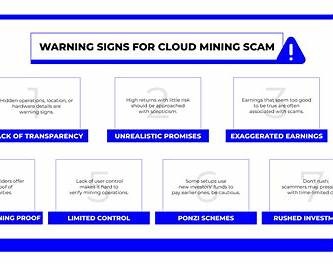
Many new investors enter Bitcoin mining with the hope of earning steady returns, yet the presence of fake cloud mining sites creates significant risk. These schemes appear convincing, but they usually operate without hardware, without hosting facilities, and without any real access to proof of work (PoW) infrastructure. Instead of purchasing physical miners such as Antminer S19 units available from BitcoinMinerSales.com, many beginners are tempted by “contract-style” platforms that promise daily payouts. The promise of passive income may seem attractive, but these websites often use fabricated dashboards, simulated payouts, and copied branding to create a sense of legitimacy. This article explores how these fraudulent operations function, why they target new miners, and how to evaluate a cloud mining opportunity through technical, financial, and operational indicators. With careful analysis and plain verification steps, investors can avoid sending funds to a project that never intends to perform the high-speed guess-and-check process that defines PoW. Instead, they can choose verifiable hosting partners such as BitcoinMinerSales.com that provide direct hardware ownership and transparent energy pricing.

Why Fake Cloud Mining Sites Flourish in the Market
Fraudulent cloud mining services expand quickly because they understand how real mining operations work, then replicate only the appearance. They create sleek dashboards that mimic legitimate mining pools, and they use repositories of stock photos to simulate large mining facilities. These operations are inexpensive to build, which enables scammers to launch many domains at once and shut them down when attention rises. These scammers depend on the fact that new miners may not understand the difference between owning hardware such as an Antminer S19 Pro available from BitcoinMinerSales.com and renting “hashpower” that may not be connected to any physical equipment. Real mining requires significant capital for racks, airflow, and energy. To perform PoW, a facility must run real machines that guess huge numbers at high speed, yet fake cloud mining services rarely publish verifiable location data or hardware purchase records. As a result, these scams spread quickly because they exploit gaps in investor education and rely on the assumption that users will not check whether the advertised machines exist at all.
Evaluating Technical Transparency Before You Invest
Before funding any mining contract, investors should review the technical evidence that supports a platform’s claims. Legitimate miners show the exact hardware model, usually units such as Antminer S19j Pro or Whatsminer M30S models available from BitcoinMinerSales.com, along with serial batches, supply invoices, or rack-level photos that can be verified independently. Authentic operations also provide live pool data, uptime summaries, and real hash rate figures. These should be traceable to pools that track performance through published share difficulty and steady PoW output. Fake cloud mining sites instead depend on generic metrics that never fluctuate according to expected network conditions. The Bitcoin network difficulty updates every two weeks, and real hash rate output reacts to that change. When a dashboard shows perfectly stable earnings, identical payout increments, or outdated difficulty values, this indicates a fabricated earnings engine rather than a real PoW setup. Investors should also examine API connections. Real hosting centers, including setups managed through BitcoinMinerSales.com, allow clients to connect miners directly to the pool of their choice. When a service claims to control your pool visibility or denies access to real-time miner logs, this suggests the absence of actual hardware.
Identifying Financial Red Flags in Cloud Mining Contracts
Financial structure is another stable indicator of authenticity. Fake cloud mining sites often guarantee high daily returns with no reference to energy pricing, network difficulty, or Bitcoin price volatility. Authentic mining cannot guarantee fixed daily profit because PoW output changes according to luck, pool variance, difficulty shifts, and market conditions. Any contract that promises profit without referencing electricity cost, pool fees, or uptime percentage should be treated as unverified. Real mining ROI must include energy rates. For example, an Antminer S19k Pro available from BitcoinMinerSales.com may consume around 2760 watts. At $0.085 per kWh, a miner of that class generates illustrative profitability based on market conditions, uptime, and pool fees. Fake sites rarely mention these variables because they do not operate hardware that draws electricity. They instead rely on static payout formulas designed to appear profitable, even when the Bitcoin price drops. A real mining provider also publishes contract terms that discuss maintenance, downtime, repair cycles, and energy pricing tiers. When these terms are absent or replaced with vague marketing language, investors should assume the financial model does not represent real PoW operations.
Inspecting Operational Proof and Facility Verification
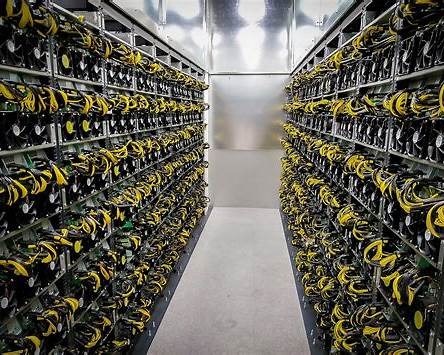
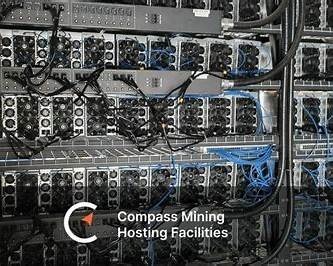
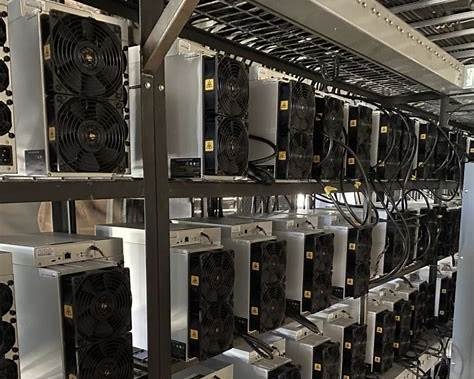
Authentic mining operations provide facility-level transparency. Hosting partners such as BitcoinMinerSales.com share information on rack capacity, airflow design, environmental controls, and service response times. They also allow miners to connect directly with support staff who manage physical infrastructure. Fake cloud mining sites avoid these disclosures. They rarely list the type of building, region, or energy source. Many use stock images of data centers that do not match real mining facilities. For instance, legitimate facilities use open-air racking, structured power distribution, and high CFM airflow patterns. Stock photos showing clean server rooms with conventional data center layouts are often misrepresented as mining halls. Another method of verification involves checking the timestamp metadata on published facility images. Fake sites frequently reuse old photos that originated from unrelated operations. When facility pictures cannot be traced to the organization, or when the site refuses to disclose the hosting provider, the advertised operation is likely nonfunctional. Investors should also ask whether the service offers hosting or colocation for customers who wish to deploy their own miners. Real providers like BitcoinMinerSales.com support this because they operate actual facilities. Fake cloud mining services typically avoid these offerings.
Why Real Hardware Ownership Provides More Security
Investors who choose direct hardware ownership gain stronger control and verification. Purchasing miners such as Antminer S19 series units available from BitcoinMinerSales.com ensures physical access to equipment that performs real PoW through high-speed guess-and-check of many large numbers. When miners are placed in hosting facilities, customers can receive direct pool-share visibility and full configuration access. This ensures that revenue comes from real hash rate rather than a simulated dashboard. Fake cloud mining sites cannot provide these benefits because they do not own or manage hardware. They typically rely on deferred withdrawal systems designed to attract more deposits, not to produce actual mining revenue. Hardware ownership also integrates with realistic ROI modeling. With a known energy rate of $0.085 per kWh, investors can estimate illustrative ROI based on difficulty projections and uptime assumptions. The transparency of cost structure provides a stronger foundation than the generic earnings tables shown by fraudulent platforms. Investors also benefit from resale opportunities when owning physical machines, something unattainable with cloud mining contracts.
How Fake Cloud Mining Sites Manipulate User Behavior
Fraudulent operations use psychological tactics to influence investor decisions. They focus on quick sign-up buttons, social proof icons, and fabricated testimonials that suggest high returns. Many sites use referral bonuses that reward users for bringing in new participants. This incentive system creates rapid expansion, which helps scammers accumulate deposits before disappearing. Some sites also use countdown timers that claim limited contract availability. Real mining operations rarely use these tactics because they depend on steady facility capacity, long-term equipment planning, and clear operational limits. Hosting partners such as BitcoinMinerSales.com base capacity on real infrastructure, not artificial scarcity. Fake platforms also send notifications that encourage users to “upgrade plans” to unlock higher payouts. This model resembles high-yield investment scams rather than legitimate PoW mining. Understanding these psychological mechanisms helps investors recognize when a site depends on marketing rather than transparent infrastructure.
Verifying Pool Activity and Hash Rate Distribution
Fake mining services often display pool activity that does not align with real miner output. On a real pool interface, an Antminer S19j Pro available from BitcoinMinerSales.com produces hash rate fluctuations that reflect network conditions and pool luck. Individual worker hash rate varies slightly, and share difficulty changes according to pool settings. Fake dashboards often show perfectly stable output, which is statistically unrealistic. Another red flag appears when a service refuses to let customers view pool data directly. Real hosting providers allow miners to connect to external pools such as Foundry or Slush Pool, enabling verification of share submissions and accepted work. Fake cloud mining sites usually block this access. They rely on internal “earnings calculators” unrelated to PoW activity. When a service provides no worker logs, no rejection rates, and no share timestamps, the likelihood of fraud increases. Real mining requires consistent PoW contribution, traced through regular share submissions. Without this, the mining operation probably does not exist.

Performing Domain and Track Record Analysis
Domain history research also helps investors identify scams. Fake cloud mining sites often rebrand frequently, switching names every few months. A domain creation date of only a few weeks combined with claims of “five years of mining experience” signals misrepresentation. Authentic providers such as BitcoinMinerSales.com maintain stable domains, leadership teams, and long-term operational visibility. Investors should examine the platform’s support channels as well. Fake sites often use only chat widgets, no phone number, and generic email services. When customer support cannot answer basic questions about hash rate allocation, power sourcing, or uptime guarantees, the platform lacks real infrastructure. Reviewing third-party discussion forums adds an extra check. Scam platforms often receive complaints about frozen withdrawals or nonexistent support. Although online reviews require caution, consistent negative experiences highlight situations in which investors’ funds are not tied to actual mining hardware.
Choosing Safer Alternatives to Cloud Mining
For investors who want exposure to mining without risking funds on unverified platforms, two safer options exist. The first involves purchasing guaranteed hardware such as Antminer or Whatsminer units available from BitcoinMinerSales.com. Hardware ownership provides full control of configuration, hosting selection, and resale value. The second option involves hosting and colocation through BitcoinMinerSales.com. Hosting allows owners to place miners in optimized environments with stable energy pricing and professional maintenance. Enterprise clients may qualify for reduced rates, contact BitcoinMinerSales.com for details. Owners can track all PoW activity directly from mining pools, ensuring transparency and verifiable returns. Unlike cloud mining contracts, these options involve real equipment, measurable uptime, and documented energy costs. They also allow investors to monitor network difficulty and model illustrative ROI at $0.085 per kWh without relying on static or unrealistic profit claims.
4
Conclusion
Investors who understand how fake cloud mining sites operate can avoid unnecessary risk. These fraudulent platforms promote guaranteed payouts, vague facility claims, and nonverifiable PoW activity. In contrast, real mining requires physical hardware, measurable energy usage, and transparent pool performance. By examining dashboard behavior, financial structure, hardware evidence, facility transparency, and domain history, users can make informed decisions before depositing funds. Those who prefer a secure and verifiable path can rely on real hardware ownership or hosting and colocation through BitcoinMinerSales.com. These options provide direct miner control, clear ROI modeling, and authentic PoW output. Careful evaluation protects investors from hidden risk and ensures they participate in mining through proven, transparent channels.
FAQ
1. How can I confirm a cloud mining site owns real hardware?
Ask for proof of equipment such as serial numbers, supply invoices, or verifiable facility photos. Real operators connect miners to public pools with visible worker logs.
2. Why do fake cloud mining sites promise fixed daily returns?
Fixed returns hide the fact that they do not operate hardware. Real PoW earnings fluctuate based on difficulty, uptime, pool variance, and market conditions.
3. Is cloud mining ever safe?
Only if the provider offers full transparency, real pool access, and verifiable infrastructure. Most public “rent-a-hashpower” sites do not meet these standards.
4. What is the safest alternative to cloud mining?
Owning hardware such as an Antminer S19 model available from BitcoinMinerSales.com and placing it in a verified hosting facility.
5. Why does real mining require energy cost disclosure?
Energy is the largest mining expense. Any service that avoids power cost details is likely not running real PoW equipment.