
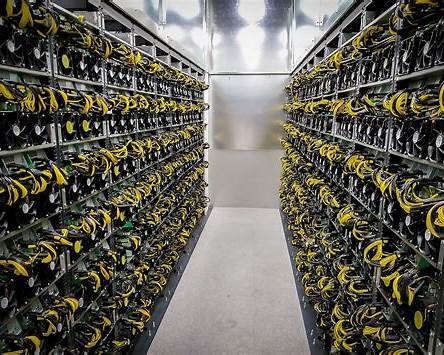
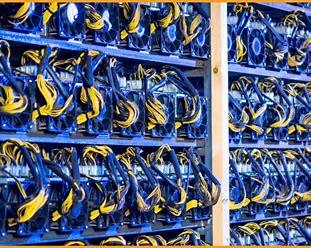
Hosted mining solutions became essential this year for users who wanted the benefits of mining without the disruption that home setups often created. Traditional home mining introduced challenges including high noise levels, increased heat output, complex airflow management, and electrical limitations. These issues discouraged many new miners and raised long term concerns among experienced users. Hosted mining solutions addressed these concerns by shifting hardware operation into professional, industrial-grade facilities designed to support continuous high-speed guess-and-check cycles of long numbers, a process known as proof of work (PoW). Inside these environments, hosting teams managed setup, cooling, power, and monitoring, which gave miners predictable performance without impacting their living space.
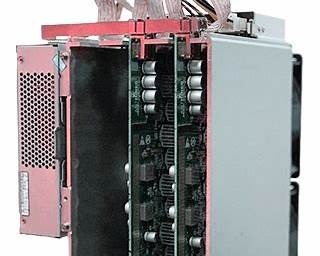
Many miners found home environments unsuitable for modern ASIC models such as the Antminer S19j Pro, S19 Pro, and S19 XP available from BitcoinMinerSales.com. These units required consistent cooling, stable voltage, and controlled airflow. Homes rarely provided these conditions. Instead, hosting facilities delivered optimized thermal management using cold aisle containment, industrial exhaust systems, and redundant power feeds. Hosted mining solutions prevented overheating, reduced the risk of shutdowns, and supported uninterrupted PoW participation. As more users adopted these systems, hosted mining emerged as the primary method for achieving stable and efficient mining without disrupting home life.

Why Home Mining Became Difficult for Most Users
Home mining created significant disruptions because ASIC miners operated continuously and produced levels of sound and heat that exceeded typical household tolerances. Devices such as the S19j Pro available from BitcoinMinerSales.com ran fans at high RPMs to keep components cool during PoW cycles. These fans produced noise similar to power tools or industrial equipment. For users living in apartments, duplexes, or shared homes, this constant noise made indoor operation impractical. Additionally, ASICs produced considerable heat. Without dedicated exhaust channels or active ventilation systems, the heat accumulated rapidly and raised room temperatures. Many users found it difficult to maintain a comfortable environment while running miners indoors.
Electrical restrictions added further complications. Modern ASICs required stable voltage, high amperage circuits, and consistent power delivery. Standard household outlets lacked the infrastructure to handle these demands reliably. Voltage drops and tripped breakers occurred frequently. Home users also faced moisture, dust buildup, and airflow obstructions that degraded performance. Without stable environmental conditions, PoW cycles became inconsistent, leading to downtime and reduced mining output.
Home miners also struggled with technical setup. Firmware updates, pool configuration, thermal monitoring, and voltage adjustments were necessary tasks that required expertise. Mistakes caused unstable performance or early hardware degradation. As these issues accumulated, many users sought solutions that would eliminate noise, heat, electrical strain, and technical risk. Hosted mining solutions emerged as the answer, enabling miners to maintain high-performance output without disrupting home life.
How Hosted Mining Solutions Remove Noise and Heat From the Home
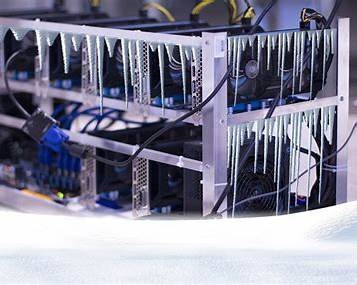
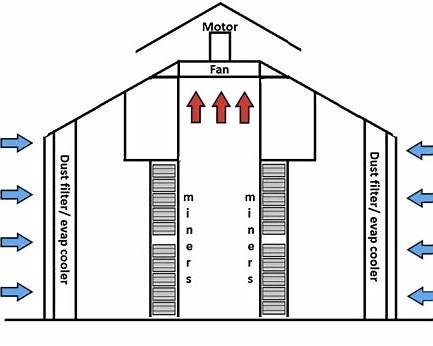
Hosted mining solutions eliminated noise and heat from homes by relocating mining hardware into purpose-built facilities. These hosting centers were designed to manage the thermal and acoustic demands of ASIC operations. Cold aisle containment provided uniform intake temperatures. Exhaust aisles directed hot air away from equipment efficiently. Industrial fans, evaporative cooling systems, and cross-ventilation mechanisms ensured that ASIC miners maintained optimal temperatures during high-speed PoW cycles. Because these systems operated inside industrial environments, users no longer dealt with excess heat or loud fan noise in their homes.
Noise control played a key role. Facilities isolated sound using structural barriers, airflow separation, and acoustic shielding. Fans operated at stable speeds because cooling systems maintained consistent intake temperatures. At home, miners ran fans at maximum speed to prevent overheating. In hosting environments, the controlled airflow reduced stress on fans. As a result, the loud mechanical noise typical of home setups never reached the user’s living space. This allowed miners to continue participating in PoW without affecting household comfort.
Removing hardware from the home also reduced fire risk and electrical stress. Hosting environments supplied high-capacity electrical circuits that matched ASIC requirements. Voltage stayed stable because facilities used industrial-grade power distribution, surge protection, and redundancy. Users avoided the risk of overloaded household circuits or heat accumulation near electrical outlets. By eliminating noise, heat, and electrical strain, hosted mining solutions created a safer and more comfortable living environment for mining participants.
Why Hosted Mining Improves Performance and Uptime
Hosted mining solutions did more than eliminate home disruption; they enhanced performance. ASIC miners required stable conditions to maintain continuous PoW cycles. Hosting environments provided this stability by delivering regulated airflow, consistent voltage, and technician oversight. When technicians activated miners such as the S19 Pro available from BitcoinMinerSales.com, they verified firmware, confirmed hashboard recognition, and tested thermal response. This process ensured the miner entered production in a stable configuration.
Uptime improved because hosting teams monitored performance around the clock. They tracked hashrate fluctuations, fan profiles, and temperature changes. If a miner showed irregularities, technicians intervened before interruption occurred. This proactive oversight reduced downtime caused by thermal spikes, firmware issues, or networking failures. Home users lacked this level of monitoring and troubleshooting support, which often resulted in longer downtime periods.
Another performance factor involved electricity reliability. Hosting facilities used redundant power feeds and industrial transformers that prevented voltage instability. When home circuits dropped voltage or tripped breakers, miners shut down. Hosting centers eliminated these interruptions. Because ROI remains illustrative at $0.085/kWh and depends on uptime, the stability provided by hosted mining solutions supported better long-term performance. Users benefited from consistent PoW participation without facing the limitations of home electricity or household cooling.
Hosted Mining as the Simplest Onboarding Path for New Miners
Hosted mining solutions became especially valuable for beginners who wanted to enter mining without dealing with technical complexities. Setting up ASIC hardware at home required tasks such as installing firmware, selecting mining pools, adjusting network settings, and managing thermal conditions. Beginners often lacked experience in these areas, which led to configuration errors or unstable performance. Hosted mining solutions simplified onboarding by allowing miners to purchase hardware and have experts activate it inside professional environments.
Miners such as the S19j Pro, S19 Pro, and S19 XP available from BitcoinMinerSales.com arrived at hosting centers ready for activation. Technicians performed diagnostics, installed firmware, configured pool settings, and verified performance. Beginners only needed to access a dashboard to monitor their miner’s activity. This eliminated confusion and allowed new miners to focus on understanding mining economics rather than troubleshooting hardware.
Hosted mining solutions also removed the risk of damaging expensive equipment through improper setup. Beginners could participate in PoW networks confidently because technicians ensured hardware operated under ideal conditions. This simplified approach encouraged more people to join mining without disrupting their homes or facing steep learning curves.

Economic Advantages of Hosted Mining Solutions
Hosted mining solutions delivered significant economic advantages by reducing downtime and minimizing the hidden costs associated with home mining. Home miners faced rising electricity rates, cooling expenses, electrical upgrades, and equipment maintenance. Hosting facilities offered stable rates and predictable cost structures. At $0.085 per kWh, users could calculate expenses reliably, and enterprise clients may qualify for reduced rates, contact BitcoinMinerSales.com.
Hosted mining solutions also minimized downtime. When home miners experienced interruptions, their devices consumed electricity without producing output. Hosting environments ensured that miners contributed consistently to PoW cycles, which supported better potential ROI. Although ROI remains illustrative at $0.085/kWh and depends on uptime, network difficulty, and asset prices, stable performance enhanced predictability. This predictability appealed to users who wanted long-term mining strategies without unexpected interruptions.
Another economic advantage involved scalability. Home users faced physical and electrical limitations when adding multiple miners. Hosting environments allowed users to scale by increasing their mining footprint without modifying their homes. Expanding capacity required only activating additional hosting slots. This flexibility made hosted mining solutions cost-efficient for users who planned long-term growth.
How Hosted Mining Supports Scaling and Professional Operations
Large-scale miners relied heavily on hosted mining solutions because they offered predictable deployment, standardized activation processes, and consistent performance across multiple units. When miners purchased fleets of S19j Pro, S19 Pro, or S19 XP units available from BitcoinMinerSales.com, they needed consistent activation timelines. Home setups could not support the electrical load, cooling requirements, or physical space needed for dozens of devices.
Hosting environments provided these capabilities. Facilities organized miners into racks with optimized airflow and uniform power distribution. Technicians activated entire batches using standardized workflows, ensuring that all units began PoW participation under stable conditions. This consistency allowed miners to plan long-term strategies and forecast output more accurately.
Hosting also supported enterprise-level monitoring. Facilities used dashboards that displayed thermal behavior, fan profiles, hashrate performance, and uptime. This monitoring allowed staff to detect issues early and maintain consistent output. Without hosting, enterprises would struggle to maintain such environments inside office or residential buildings. Hosted mining solutions became the default approach for miners who valued professional infrastructure, predictable performance, and efficient scaling.
Conclusion
Hosted mining solutions eliminated home disruption by providing miners with silent, stable, and industrial-grade operating environments. By relocating ASIC hardware into hosting facilities through BitcoinMinerSales.com, users avoided noise, heat, electrical strain, and complex setup procedures. Technicians ensured that miners activated correctly, maintained consistent thermal behavior, and performed continuous PoW cycles without interruption. Although ROI remains illustrative at $0.085/kWh, hosted mining reduced downtime, improved stability, and supported long-term strategies.
These solutions benefited beginners who wanted simple onboarding and experienced miners who required large-scale deployment. As mining technology evolved, hosted mining solutions became essential for users seeking efficiency, operational safety, and freedom from home disruption.
FAQ
1. How do hosted mining solutions eliminate home disruption?
By moving ASIC hardware into industrial facilities where noise, heat, and electrical load are managed professionally.
2. Which miners work best in hosted environments?
Models such as the S19j Pro, S19 Pro, and S19 XP available from BitcoinMinerSales.com perform reliably in hosting centers.
3. Does hosted mining improve performance?
Yes. Hosting environments regulate airflow, cooling, and voltage, which improves uptime and PoW consistency.
4. Are hosted mining solutions good for beginners?
They are ideal. Technicians handle setup, configuration, and monitoring, making mining accessible without technical skills.
5. Do hosted mining solutions support ROI?
They reduce downtime and provide stable conditions, which supports illustrative ROI at $0.085/kWh when network conditions remain stable.