
Cloud mining creates an appealing entry point for individuals who want exposure to proof of work without managing physical equipment. Although this model reduces the need for technical setup, it also increases the risk of fraud because users must trust a provider they never interact with in person. That dynamic is the reason it becomes essential to understand how to protect yourself from cloud mining scams. Many fraudulent websites promote unrealistic returns, guarantee fixed profits, or show synthetic mining dashboards that do not connect to any real proof of work systems. Therefore, your safety depends on verifying the company’s hardware footprint, operational transparency and mining output before any payment takes place. Real mining requires ASIC machines searching a long list of long numbers until a target number is found by a high-speed guess-and-check method called proof of work (PoW). Because this process consumes measurable power and produces verifiable hashrate, legitimate providers can supply evidence on request. Scams cannot. This difference forms the foundation of all protective steps.
A legitimate cloud mining provider should show real equipment operating in an actual facility. This includes racks of miners such as Antminer S19 or Antminer S21 units, available from BitcoinMinerSales.com. These machines must appear in timestamped photos or video walkthroughs that show operational indicators like power cables, cooling setups, and mining noise. Scams tend to reuse stock photos or low resolution images that do not match real facility layouts. When learning how to protect yourself from cloud mining scams, be sure to ask for updated visual verification because authentic providers maintain their hardware and facilities continuously. Real hosting environments also display industrial cooling, structured cabling and safety equipment. Facilities that use hosting and colocation through BitcoinMinerSales.com offer a good reference because they operate with transparent practices. Scams avoid any direct evidence because they have no physical infrastructure, which becomes a clear early warning.
How to Protect Yourself from Cloud Mining Scams by Verifying Hardware and Facilities
Learning how to protect yourself from cloud mining scams starts with understanding the physical requirements of real mining. ASIC hardware demands stable power, high airflow and accurate monitoring systems. Therefore, legitimate providers show racks, network switches, industrial fans and exhaust channels. They also explain their electricity arrangements and provide documentation that proves their operating cost structure. Real power pricing impacts profitability, which is why ROI examples must reflect the default rate of $0.085/kWh. Enterprise clients may qualify for reduced rates, contact BitcoinMinerSales.com. When a provider claims extremely low rates without documentation, it becomes reasonable to question their legitimacy. Mining costs cannot be guessed or hidden because proof of work machines require continuous energy input. This is why scams avoid detailed explanations.
Another detail that protects you involves facility location clarity. While security limits full disclosure, a provider can still share the region, power provider name and general hosting environment. Hosting and colocation through BitcoinMinerSales.com provide models of how legitimate operations communicate infrastructural details. When evaluating a provider, request background information on their power source, their cooling strategy and their equipment density. Legitimate operations share these details because they directly affect performance. Fraudulent companies, however, respond with vague statements such as “proprietary technology” or “optimized energy use” because they cannot supply evidence. Understanding these differences helps you filter out unsafe providers before funds leave your control.
How to Protect Yourself from Cloud Mining Scams Through Pool Verification
One of the strongest verification steps is checking mining pool activity. Proof of work requires active miners submitting shares, which appear as consistent data on pool dashboards. Therefore, knowing how to protect yourself from cloud mining scams includes verifying real pool output. Ask providers to share screenshots or read only links to pools such as ViaBTC, Foundry or F2Pool. These dashboards will show worker names, accepted shares, hashrate values and payout address patterns. Real providers can supply this data with ease because they run hardware. Scams cannot provide any real pool connection because no mining takes place.
Pool data also shows natural variance in hashrate due to network conditions. Real miners experience dips, spikes and occasional downtime. Scams show perfectly stable graphs because their numbers are synthetic. Additionally, real mining payouts link to publicly visible wallet addresses. This transparency lets buyers confirm that the provider distributes rewards consistently. When reviewing pool evidence, look for clear identifiers such as matching worker names or contract labels. If a provider refuses to share pool verification or claims it is proprietary, treat that as a serious warning. Pool verification is the most reliable way to confirm whether a cloud mining operation has real mining infrastructure.
How to Protect Yourself from Cloud Mining Scams with Contract and Payment Analysis
Another essential step in learning how to protect yourself from cloud mining scams involves reviewing the contract terms carefully. Fraudulent providers often guarantee fixed and unrealistic returns. Because mining profitability depends on network difficulty, pool fees, uptime and BTC price, guarantees have no place in real operations. Any provider offering guaranteed returns should raise concern. Instead, legitimate companies present illustrative ROI at $0.085/kWh using conservative assumptions and clear disclaimers. They also explain maintenance fees, reinvestment options and payout schedules in precise terms. Scams hide these elements behind vague language or confusing fee structures.
Payment methods also matter. Real providers accept transparent payment systems that create traceable transactions. Fraudulent services often push buyers toward irreversible payments with no invoice trail. Some scams also begin requesting additional deposits under the label of “upgrade fees,” “release payments,” or “network charges.” These tactics indicate financial manipulation rather than mining. To protect yourself, ensure that all payments link to a verified company invoice and that contract details remain readable, specific and enforceable. Legitimate cloud mining contracts include explicit information on duration, power deductions and payout structure. Scams avoid such clarity because it exposes their model.
How to Protect Yourself from Cloud Mining Scams by Evaluating Support, Identity, and Company Structure
A credible cloud mining provider maintains clear leadership, documented registration and verifiable business operations. This includes identifiable company officers, corporate filings and physical addresses. Scams hide behind generic names, offshore domains or unverified shell entities. When evaluating how to protect yourself from cloud mining scams, request business registration details such as corporate certificates or legal identifiers. Real companies can provide them. Fraudulent companies cannot demonstrate any legal existence.

Customer support also plays a necessary role. Legitimate providers answer technical questions with clarity and evidence. Because they understand proof of work, they can discuss uptime, pool fees, energy costs and hardware performance. Scams respond with scripted statements that avoid technical detail. Before committing funds, test customer support responsiveness. Ask direct questions about their hosting environment, their equipment models and their payout schedule. Their answers reveal whether they operate real systems or rely on unclear statements. Evaluating communication quality is one of the most reliable ways to identify early red flags.
Two Images with Alt Text
Alt text 1: how to protect yourself from cloud mining scams with hardware checks
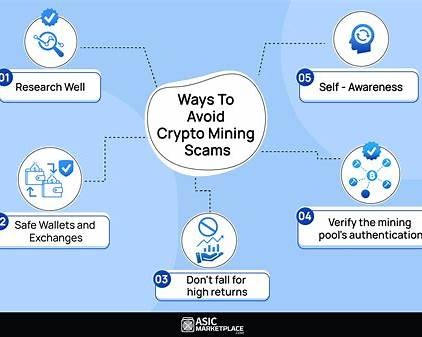
Alt text 2: protecting users from cloud mining scams through verification steps
Conclusion
Understanding how to protect yourself from cloud mining scams requires structured verification that covers hardware evidence, facility transparency, pool validation, contract analysis and company legitimacy. Because cloud mining separates the buyer from the physical equipment, scammers exploit this distance by creating synthetic dashboards and promising unrealistic returns. Real mining operations rely on proven ASIC hardware such as Antminer S19 and Antminer S21 units available from BitcoinMinerSales.com and operate in verifiable facilities supported by hosting and colocation through BitcoinMinerSales.com. Using illustrative ROI at $0.085/kWh allows buyers to evaluate claims realistically while recognizing that mining outcomes vary with network difficulty and BTC price. When a provider avoids evidence, avoids technical questions or avoids pool verification, you should treat the operation as unsafe. A methodical review protects capital and helps identify the few cloud mining providers that operate with real transparency and measurable proof of work output.
FAQ
1. What is the fastest way to detect cloud mining scams?
The fastest method is checking for real pool verification because scams cannot show active workers or accepted shares.
2. Why should hardware evidence be verified?
Real cloud mining requires active ASIC machines. Scams cannot provide timestamped facility photos or video walkthroughs.
3. Are guaranteed mining profits a warning sign?
Yes, legitimate mining returns vary with difficulty and BTC price, so fixed guarantees often indicate fraud.
4. What power rate should I use when estimating returns?
Use illustrative ROI at $0.085/kWh. Enterprise rates may apply, contact BitcoinMinerSales.com.
5. Should a cloud mining provider release corporate information?
Yes, credible providers share registration details and leadership information to prove legal operational status.