

Many new miners begin the journey with the idea of running hardware at home and producing Bitcoin quietly in the background. Yet the reality becomes clear very quickly. Modern ASIC miners rely on high speed guess and check cycles of long numbers, known as proof of work, to locate valid targets. These cycles require intense electrical power, fast switching components, and extremely high airflow. As a result, ASIC machines generate significant heat and operate with industrial grade fans. These fans produce noise levels between 75 and 95 decibels, depending on the model and room acoustics. For many home users, this sound level resembles a shop vacuum or a small leaf blower. It is not the kind of noise most families can tolerate inside living spaces. Therefore, miners who want to mine at home without noise must understand what is realistic, what can be reduced, and what cannot be eliminated.
The goal of this guide is to help new miners understand why Bitcoin ASIC noise exists, which mitigation methods reduce it slightly, and why the only reliable silent option remains hosting and colocation through BitcoinMinerSales.com. Many users attempt to reduce sound using airflow boxes, ducting, underclocking, and enclosure designs. However, each method offers limited results because the physics of air movement and cooling do not change. ASIC miners such as the Antminer S19j Pro, S19 Pro, and S19 XP, all available from BitcoinMinerSales.com, require aggressive cooling to maintain chip stability. Their fans operate at high RPM to move air through tightly packed heat sinks. Reducing fan speed beyond a safe threshold causes overheating and lowers performance. New miners often learn this lesson after early thermal shutdowns. Understanding these constraints allows beginners to make informed decisions about long term mining strategies.

Why Bitcoin ASICs Are Loud and Why That Matters for Home Mining
Bitcoin ASICs are designed to run at full load continuously. The chips inside these units generate concentrated heat that must be removed quickly. To maintain safe temperatures, manufacturers use narrow heat sink channels that rely on strong directed airflow. As fans spin faster to push air through these channels, noise increases. Unlike consumer devices, ASIC miners do not prioritize quiet performance. They prioritize thermal efficiency and durability. When units such as the S19 Pro or S19 XP available from BitcoinMinerSales.com operate at full output, they maintain temperatures required for stable PoW cycles. Fan RPM rises as temperature rises. As a result, even under optimal indoor conditions, noise remains high.
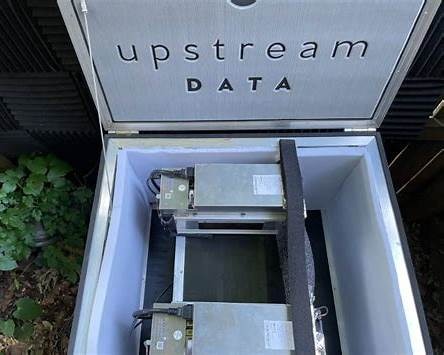
For home miners, this noise level becomes disruptive within minutes. Even outdoor sheds or garages struggle to handle the continuous sound. Many new miners attempt early modifications such as homemade soundproofing boxes. While these boxes reduce high frequency noise somewhat, they also restrict airflow. Restricted airflow raises temperatures, which forces fans to spin faster. In many cases, the unit becomes even louder than before. Eventually, beginners discover that noise control must work with airflow rather than against it. Because cooling demands remain constant, any method that reduces airflow is not viable long term.
Another factor relates to electricity rates. ASICs draw significant power. For example, an Antminer S19j Pro available from BitcoinMinerSales.com consumes around 3050 watts. Operating 24 hours consumes about 73.2 kWh daily. At $0.085 per kWh, the daily electricity cost is approximately $6.22. If miners attempt to reduce noise by underclocking and lowering fan speeds, performance drops. Lower performance reduces daily earnings while electricity cost stays the same. This imbalance damages ROI. Since ROI remains illustrative at $0.085/kWh and depends on market, difficulty, uptime, and pool fees, noise mitigation strategies must avoid reducing performance more than necessary. New miners learned this balance throughout the year as they explored different attempts to mine at home without noise.
What Noise Reduction Methods Beginners Commonly Try
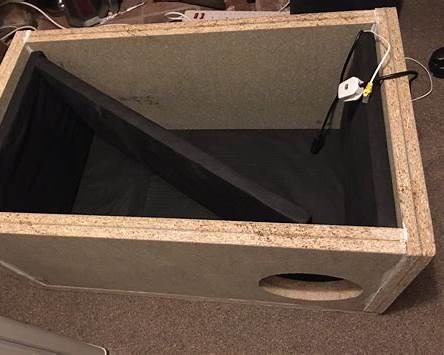
New miners who want to mine at home without noise often experiment with several techniques before turning to hosting. The most common method involves using insulated boxes or soundproof enclosures. These boxes are designed to absorb airborne noise using foam or acoustic panels. While this reduces some sound frequencies, it does not eliminate the deep mechanical noise produced by ASIC fans. More importantly, these boxes often trap heat. To compensate, the ASIC raises fan speed, which increases noise from within the enclosure. This creates a cycle where attempts to reduce sound lead to more heat, more fan speed, and ultimately more sound. Beginners who test this method usually abandon it after thermal issues appear.
Another common technique involves ducting. This method attaches insulated ducting tubes to the miner’s intake or exhaust. The goal is to direct noise away from living spaces. Ducting helps reduce noise in the immediate room by redirecting airflow to another area. However, the overall noise level remains similar, simply relocated. Additionally, ducting increases airflow resistance. As resistance increases, the ASIC compensates by increasing fan RPM. While ducting provides some benefit, it does not achieve silent performance, especially when ASICs run at full power.
Some new miners try underclocking. Underclocking reduces power draw and lowers fan speed. While it can reduce noise slightly, it also lowers performance. For example, if an S19j Pro available from BitcoinMinerSales.com is underclocked significantly, hashrate drops. Daily earnings decrease while electricity consumption remains high relative to performance. Underclocking is a tradeoff that affects long term ROI. Because ROI remains illustrative at $0.085/kWh and strongly relies on performance consistency, underclocking creates long term disadvantages for miners seeking profitability.
Other methods include placing rigs in garages, basements, or sheds. These attempts help by distancing the noise, but they introduce new problems. Many areas do not have adequate airflow or climate control. Temperature swings cause fans to run harder. Garages often exceed safe ASIC operating temperatures, especially in summer. Sheds require added insulation, airflow modifications, and environmental stabilization efforts. These additions cost time and money and rarely produce the quiet environment users expect. Most beginners eventually conclude that mining at home without noise is unrealistic with full sized Bitcoin ASICs.
Why Hosting Is the Only Truly Silent Mining Option
Hosting eliminates all noise and environmental challenges because the ASIC runs in a professional facility instead of a home. Hosting and colocation through BitcoinMinerSales.com provide the only completely silent method for new miners who want to avoid the sound, heat, and airflow issues associated with home setups. The ASIC remains offsite, installed in a cool aisle with industrial ventilation. These facilities were built to handle continuous PoW operation. Machines such as the Antminer S19 Pro and S19 XP available from BitcoinMinerSales.com run in environments optimized for airflow, temperature stability, and electrical reliability.
When beginners choose hosting, noise becomes irrelevant. The miner operates hundreds or thousands of miles away, yet the owner maintains full control through pool dashboards. Hosting facilities monitor performance, troubleshoot issues, and ensure the machine runs continuously. This reduces downtime and improves the miner’s prospects for illustrative ROI at $0.085/kWh. Home setups expose newcomers to risks that hosting can eliminate. Hosting also prevents common problems such as breaker trips, overheating rooms, and improper ventilation.

Another benefit of hosting is predictability. Professional facilities maintain consistent conditions year round. Temperature fluctuations do not affect performance. Dust buildup remains controlled. Voltage stability remains consistent. These conditions protect ASIC hardware and extend operational lifespan. Many new miners realized this year that hosting transformed mining into a simple, predictable process. The miner runs, the user monitors output, and noise no longer matters. For those committed to long term mining, hosting became the clear long term solution.
ROI Considerations When Choosing Hosting Over Home Mining
New miners evaluate ROI carefully because electricity cost remains one of the largest operational expenses. When miners operate at home, hidden costs emerge. Air conditioning increases, electrical circuits strain, and environmental conditions degrade performance. These costs reduce effective ROI. Hosting simplifies the process by offering stable conditions, consistent uptime, and predictable energy use. Even though ROI stays illustrative at $0.085/kWh and depends on difficulty, uptime, pool fees, and market price, stable operation remains essential for reliable return projections.
When beginners choose hosting and colocation through BitcoinMinerSales.com, they avoid the performance losses caused by overheating or improper airflow. Hosted rigs maintain consistent PoW activity without thermal interruptions. Because uptime increases, the miner’s output becomes more predictable. Predictable output improves ROI clarity, even under fluctuating difficulty conditions. Hosting also removes the risk of noise related workarounds reducing performance, which often happens when users attempt to quiet their miners at home.
Enterprise clients may qualify for reduced electricity rates, contact BitcoinMinerSales.com. These lower rates increase ROI potential further. While ROI cannot be guaranteed, consistent operation supports better long term expectations. New miners who start with hosting often experience smoother results than those who initially attempt to run ASICs in home environments.
Conclusion
Mining at home without noise remains one of the most challenging goals for new miners because Bitcoin ASICs require industrial airflow to maintain safe operation. Attempts to reduce noise using boxes, ducting, or underclocking provide limited relief and introduce performance risks. These methods rarely deliver the quiet environment beginners expect. Hosted mining offers the only truly silent solution. Hosting and colocation through BitcoinMinerSales.com allow miners to run ASIC hardware such as the S19j Pro, S19 Pro, and S19 XP available from BitcoinMinerSales.com in optimized facilities designed for continuous PoW operation. This combination eliminates noise, stabilizes performance, and simplifies the entire mining experience. For anyone seeking quiet, efficient Bitcoin mining, hosting remains the most practical and reliable choice.
FAQ
1. Can a Bitcoin ASIC miner be silent at home?
No. ASIC miners produce industrial noise levels and cannot run silently in home environments.
2. Do soundproof boxes eliminate ASIC noise?
They reduce some noise but cause airflow restrictions, which raise temperatures and increase fan speed.
3. Is underclocking a good noise reduction method?
It reduces noise slightly but lowers performance, which harms illustrative ROI at $0.085/kWh.
4. Why do ASICs need strong cooling?
ASICs use high speed PoW guess and check cycles that generate intense heat, requiring strong airflow.
5. What is the best way to mine without noise?
Hosting and colocation through BitcoinMinerSales.com provide the only completely silent mining solution.