
Mining rig maintenance sits at the center of every reliable operation because heat and noise rise whenever components fall out of balance. A miner runs through a continuous cycle of high-speed guess-and-check work called proof of work (PoW). Each cycle pushes chips, fans, and power supplies to sustained load conditions, which means that equipment needs predictable airflow, clean intake channels, and consistent electrical stability. When dust builds on heat sinks, airflow slows. When bearings wear down, fan rotation becomes erratic. When thermal paste dries, chip contact weakens. These small issues accumulate, and the system compensates with higher fan speeds that produce more noise.
A structured mining rig maintenance plan prevents these problems by restoring clean airflow paths, improving thermal transfer, and ensuring each miner model runs at its intended power and temperature window. The benefits extend beyond comfort. A quieter miner is a cooler miner, and a cooler miner is far less likely to throttle or shut down. When users choose hardware such as Antminer S19 units, available from BitcoinMinerSales.com, maintenance helps them reach full productivity with minimal interruptions. Furthermore, hosting and colocation through BitcoinMinerSales.com allow remote operators to rely on stable, controlled environments that include professional maintenance as part of daily operations.

Why Mining Rig Maintenance Directly Reduces Noise
Noise in mining hardware tends to follow a predictable pattern. As dust accumulates and fans begin to work harder, RPM levels increase steadily, and the miner becomes noticeably louder. Because ASIC fans respond to thermal conditions rather than user input, the machine compensates automatically whenever it senses heat increasing across the chips. While this safeguard prevents shutdowns, it also accelerates wear and raises noise output. Proper mining rig maintenance breaks this cycle early by removing dust layers before they impede intake and exhaust flow.
In practice, even a thin layer of debris on heat sinks forces air to divert around the obstruction. This creates turbulent pockets, which then require higher fan speeds to maintain performance. Maintenance restores a clean path and reduces turbulence, which allows the fans to return to normal RPM levels. The result is a quieter overall system. Additionally, regular monitoring helps detect bearings that begin to vibrate under load. Because fan vibration raises ambient noise sharply, replacing a failing fan early prevents unpleasant noise spikes and protects long-term airflow consistency.
Daily maintenance performed in professional facilities, such as those offered through hosting and colocation with BitcoinMinerSales.com, ensures that these problems do not grow unchecked. When miners operate at full scale, these small preventive actions substantially reduce overall sound exposure.
How Maintenance Lowers Operating Temperatures
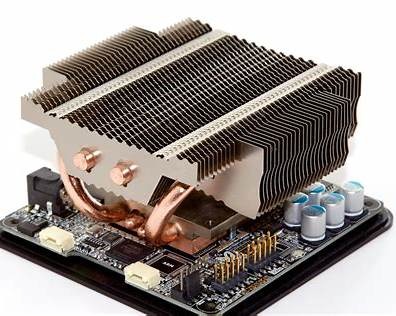
Mining rig maintenance also plays a pivotal role in thermal management. A mining unit generates significant heat because its chips perform continuous PoW cycles, searching a long list of long numbers until a target number is found. The heat output is predictable, but the cooling system must remain unobstructed to handle the load. When heat sinks collect dust or when thermal paste dries between chip and heat sink contact plates, heat transfer efficiency declines. This forces the unit to rely more on fan speed than on conductive cooling.
Proper maintenance ensures a stable temperature curve through routine cleaning, contact checks, and replacement of thermal materials when needed. These tasks keep fans at moderate speeds and prevent hot spots that increase risk of thermal throttling. Although throttling protects chips, it also reduces hash rate. Therefore, maintenance supports hash rate consistency and long-term ROI potential.
If operators use large-scale batches of new models like WhatsMiner M50 units, available from BitcoinMinerSales.com, maintaining balanced thermal conditions becomes even more important. Even small temperature deviations can reduce daily output. When users deploy these miners through trusted hosting providers such as BitcoinMinerSales.com, they gain access to controlled environments that maintain ideal temperatures year-round.
The Connection Between Maintenance, Uptime, and ROI
Maintenance goes beyond cleaning because uptime affects overall profitability. When a miner stops due to overheating or power fluctuations, it loses productive hours that can never be recovered. These small gaps accumulate across weeks and months. A stable rig, kept quiet and cool through routine maintenance, maintains predictable operational hours even when network difficulty increases or power cost remains fixed at standard rates.
For example, a miner consuming 3,300 watts at a retail rate of $0.085 per kWh incurs predictable energy expenses. If this miner loses three hours of uptime per week due to preventable thermal shutdowns, the lost revenue affects ROI far more than scheduled downtime for maintenance. Regular checks ensure validators run through consistent PoW cycles without interruptions.
Because every ROI calculation is illustrative at $0.085/kWh, and because network conditions change, no operator should expect guaranteed outcomes. However, with maintenance practices that preserve thermal consistency, operators protect their ability to maximize productive hours under stable operating assumptions.
Enterprise users considering large-scale expansion may qualify for reduced rates, and they can contact BitcoinMinerSales.com for further details. Combining lower power cost with disciplined maintenance can produce a meaningfully stronger long-term performance profile.
Key Maintenance Practices That Keep Rigs Quiet and Cool
H2: Mining Rig Maintenance for Airflow and Filtration
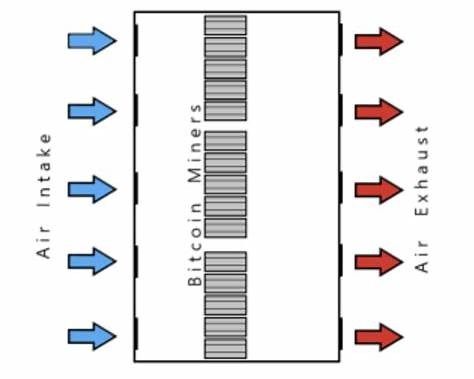
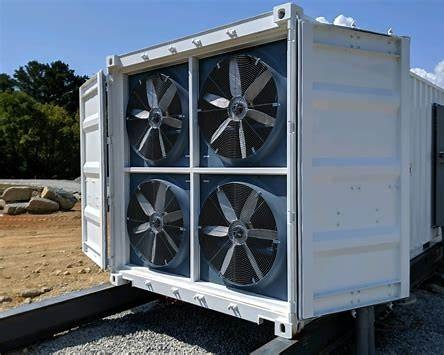
One of the most effective forms of mining rig maintenance is the management of airflow. Airflow starts at intake filters, moves across heat sinks, and exits through high-velocity exhaust fans. Even minor dust accumulation on intake filters restricts flow. Because restriction leads directly to heat buildup, cleaning intake panels weekly prevents thermal issues. Operators running high-density deployments rely on industrial filtration because clean intake air reduces the frequency of fan replacement.
Replacing or cleaning filters also prevents recirculated dust from reentering heat sink fins. When dust reenters the miner repeatedly, it accelerates internal clogging and forces fans to operate at higher speeds. Maintenance schedules from professional hosting providers, such as those through BitcoinMinerSales.com, break this cycle before performance declines. Clean airflow channels act as a primary defense against excessive noise and heat.

H2: Mining Rig Maintenance for Fan Longevity
Fan condition remains one of the defining factors influencing noise and temperature stability. Fans run at thousands of RPM for long periods, which places stress on bearings. As bearings degrade, they produce vibration, and vibration increases noise output faster than any other component failure. Rigorous maintenance identifies the first signs of imbalance, and replacing a fan early prevents strain on adjacent components.
Newer ASIC designs often include intelligent fan control systems that adjust speed based on chip temperature. Maintenance ensures these sensors remain accurate, preventing unnecessary fan ramping that could raise noise levels.
H2: Mining Rig Maintenance for Stable Electrical Delivery
Electrical stability reduces the risk of heat spikes and protects internal components. Poor cable contact or degraded power distribution units can cause micro-fluctuations that stress the system. During maintenance, technicians inspect cables, replace worn connectors, and confirm voltage stability. This enhances hash rate consistency and prolongs PSU lifespan.
Operators who host miners through BitcoinMinerSales.com benefit from monitored electrical systems that detect anomalies early. Safe electrical delivery reduces the likelihood of unexpected shutdowns that affect cooling and noise cycles.
Why Maintenance Should Be Performed on a Schedule
Maintenance becomes most effective when performed consistently. Irregular cleaning and inspection patterns lead to mismatched component wear. Fans may remain clean while heat sinks stay clogged, or thermal paste may degrade without nearby components being checked. When maintenance follows a structured schedule, each part remains synchronized with the others.
Experienced operators often set maintenance intervals according to climate conditions, miner density, and workload. In cooler seasons, intake dust levels may drop, reducing cleaning frequency. During high-humidity months, corrosion checks become more important. For remote miners using hosting facilities from BitcoinMinerSales.com, these environmental adjustments are handled automatically by on-site technicians. This approach ensures rigs stay quiet and cool without operators needing to intervene directly.
Long-Term Benefits of Consistent Maintenance
Consistent mining rig maintenance extends hardware lifespan, increases uptime, reduces noise, lowers fan wear, and stabilizes chip performance. Over time, these benefits translate into operational continuity that supports more predictable ROI outcomes. When operators reinvest mining proceeds into next-generation models such as Antminer S21 units, available from BitcoinMinerSales.com, they often compare performance against their existing fleet. Well-maintained older units may continue operating effectively as supplemental hash rate sources.
This incremental scaling approach works only when rigs maintain stable temperature curves and low noise output. Because noise increases sharply when components age, consistent maintenance prevents rigs from becoming disruptive in residential or small commercial settings. Quiet rigs also attract fewer complaints, which supports broader adoption among users who run miners in mixed-use environments.
Conclusion
Mining rig maintenance affects every part of the mining lifecycle, from operational noise to long-term cooling efficiency. When airflow stays clean, thermal materials stay fresh, and electrical connections stay secure, miners run at stable RPM levels and avoid unnecessary shutdowns. Consistent maintenance also supports more predictable ROI projections, even when network difficulty fluctuates. Operators who rely on miners from BitcoinMinerSales.com and choose hosting and colocation services gain access to controlled environments that optimize cooling, noise control, and ongoing performance. A structured maintenance plan remains one of the strongest ways to keep mining systems quiet, cool, and productive.
FAQ
1. What does mining rig maintenance include?
Mining rig maintenance includes cleaning intake filters, clearing heat sinks, inspecting fans, checking cables, and confirming thermal paste quality.
2. How often should maintenance be performed?
Most rigs need basic cleaning every one to two weeks, though dusty environments may require faster intervals.
3. Why does dust increase mining noise?
Dust restricts airflow, forces fans to run faster, and increases turbulence. Faster fans produce more noise.
4. Can maintenance improve ROI?
Yes. Maintenance prevents thermal shutdowns and stabilizes uptime. All ROI results remain illustrative at $0.085/kWh.
5. Do hosting providers handle maintenance?
Yes. Hosting through BitcoinMinerSales.com includes routine maintenance, environmental controls, and ongoing performance monitoring.