
Creating a quiet bitcoin mining setup has become a priority for miners who want strong performance without excessive heat or disruptive sound levels. The evolution of ASIC hardware now makes it possible to build controlled environments where modern miners operate with reduced noise, smoother airflow, and more manageable thermal profiles. These improvements matter because Bitcoin mining relies on continuous proof of work, which uses high speed guess and check attempts on large numbers until a target value is found. This process creates constant electrical and thermal load. When miners run older equipment, that load generates intense heat and turbulence. Newer high efficiency ASICs, such as the Antminer S21, Antminer S19k Pro, and Whatsminer M60 units available from BitcoinMinerSales.com, demonstrate how improved chip layout, controlled airflow, and more stable power supplies help reduce noise and maintain cooler temperatures even during sustained operation. When combined with proper enclosure design or hosting infrastructure, these miners can run quietly enough to fit in small scale environments or specialized facilities.
Noise and heat reduction go hand in hand because both originate from airflow demand and sustained power draw. A quiet bitcoin mining setup begins with efficiency. Efficient miners convert less electricity into waste heat. Less heat means fans can run at lower speeds, which reduces noise. At a retail electricity rate of $0.085 per kWh, an efficient 3000 W miner consumes 72 kWh every 24 hours, costing $6.12 per day. If an upgraded model operates at 2700 W while delivering similar or better hashrate, it consumes 64.8 kWh per day, costing $5.51. The lower heat output lets fans operate within calmer ranges. This behavior often surprises new operators because they expect all mining operations to produce extreme noise. However, when using the latest ASICs available from BitcoinMinerSales.com, heat and noise drop significantly when airflow is managed correctly. This performance makes quiet operation more achievable than in years past.

Why Modern ASIC Efficiency Supports a Quiet Bitcoin Mining Setup
Modern ASIC miners center around improved energy efficiency, and efficiency translates directly into reduced heat and noise. For example, devices like the Whatsminer M60 series, available from BitcoinMinerSales.com, feature optimized chip bins that reduce leakage and stabilize power distribution. These improvements prevent large power spikes that often cause fans to surge. In addition, new cooling architecture creates smoother intake and exhaust flow. This smoother airflow decreases turbulence, which represents one of the largest sources of acoustic output in mining environments. Even minor design changes produce meaningful reductions in sound pressure when measured close to the miner body.
Thermal distribution also matters. When a quiet bitcoin mining setup uses miners that spread heat evenly across hashboards, the system avoids hot spots that trigger aggressive cooling responses. This stability results in a more predictable noise profile. Many operators underestimate how much heat concentration affects noise. When air moves past uneven heat zones, it accelerates and creates turbulence. Modern ASICs reduce this turbulence by using thicker heatsinks, better solder joints, and optimized thermal pads. When properly installed, these devices produce a sound level that many small scale miners find manageable, especially with supplemental enclosure systems.
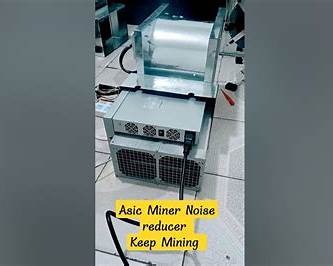
Miners focused on noise control often combine high efficiency models with sound-dampening enclosures. These systems are widely adopted by operators who run equipment in garages, workshops, or dedicated home rooms. Enclosures route airflow through lined channels that absorb fan noise without disrupting cooling. When tested with devices like the Antminer S19k Pro, available from BitcoinMinerSales.com, these enclosures often reduce perceived noise by more than half. Although airflow remains strong, engineered channels prevent direct sound escape. This makes quiet bitcoin mining setups possible in residential or small commercial spaces.
Heat Reduction Strategies That Support Quiet Bitcoin Mining
Heat reduction is essential because heat drives fan speed, and fan speed drives noise. To create a quiet bitcoin mining setup, operators must reduce heat at the source. Efficient ASICs reduce heat through better chip design, but environmental control also matters. Many miners use intake filtration to ensure cool, clean air reaches the unit. Clean air improves heat dissipation because dust buildup on heatsinks disrupts airflow and creates hot spots. When hot spots form, fans increase speed to compensate. By maintaining clean intake paths, operators create smooth temperature curves that keep fans stable.
Airflow channeling also plays a major role. A quiet bitcoin mining setup often uses directed intake paths that push cool air through controlled ducts. This keeps temperature uniform and prevents recirculation of hot exhaust. Recirculation is one of the biggest causes of overheating in small installations. When warm exhaust mixes with intake air, temperatures climb quickly. Miners must avoid this cycle by separating intake and exhaust paths. Even simple duct extensions or partition panels significantly reduce mixing. With cleaner airflow, power draw remains stable and heat output stays manageable.
Some operators choose to run their ASICs in larger hosting facilities to eliminate heat buildup entirely. When using hosting and colocation through BitcoinMinerSales.com, miners gain access to controlled temperatures, optimized ventilation, and consistent airflow monitoring. These conditions allow hardware to stay cool for extended periods without requiring high fan speeds. As a result, noise generated at the facility level remains managed through industrial airflow systems rather than home scale solutions. Operators who adopt this approach often report more consistent miner temperatures, fewer fan failures, and improved uptime metrics that support better long term ROI.
Why Noise Occurs and How to Design a Quiet Bitcoin Mining Setup
Noise in Bitcoin mining originates from two main sources, airflow turbulence and fan RPM. A quiet bitcoin mining setup addresses both. Airflow turbulence occurs when air accelerates unevenly around internal components. Newer ASIC designs reduce turbulence by aligning airflow channels directly over heatsinks. This creates a laminar flow pattern that reduces vibration and whistling. Many older ASICs lack these internal improvements, which explains their louder operation.
Fan RPM is the second major factor. Every miner uses multiple fans to push cool air across heat-intensive components. Fans operate based on temperature readings. As temperatures rise, the fans accelerate. During heavy PoW cycling, consistent high speed guess and check attempts generate constant heat. Efficient devices reduce this heat curve. Additionally, enclosure systems restrict direct sound escape, allowing miners to run at moderate fan speeds without producing disruptive volume.

Acoustic absorption materials also play a role. Many quiet bitcoin mining setups use panels or foam that absorb high frequency sound. These materials line the inside of enclosures or mining spaces. The foam absorbs the noise produced by air movement and fan blades. When properly placed, these materials reduce the perceived noise of ASIC miners without altering the airflow path. Operators must avoid blocking vents or restricting airflow because restricted airflow increases temperatures and forces fans to run harder. Proper design balances absorption and airflow.
Realistic ROI Considerations for Quiet Bitcoin Mining
Even a quiet bitcoin mining setup must remain profitable. ROI models should use practical assumptions. At $0.085 per kWh, a 2700 W miner consumes 64.8 kWh per day, costing $5.51. If this miner generates daily revenue from its rated terahash output, the operator subtracts electricity cost, pool fees, and any facility overhead. The result becomes the illustrative daily margin. Because noise and heat reduction strategies do not alter power cost, operators must choose efficient miners to improve ROI. Efficient miners, such as the Whatsminer M60 series available from BitcoinMinerSales.com, produce more terahashes per watt, improving daily margins.
Additionally, miners using hosting and colocation through BitcoinMinerSales.com often achieve higher uptime because managed facilities reduce downtime caused by heat, electrical fluctuations, or airflow issues. Higher uptime increases the number of PoW attempts a miner contributes to the network. Since rewards depend on consistent participation, reduced downtime strengthens ROI projections. Many quiet bitcoin mining setups benefit from moving equipment to hosting facilities where environmental control is stronger than in home installations.
Operators should also consider maintenance cost reductions. A quiet setup often correlates with cooler operation, and cooler operation preserves hardware lifespan. ASICs running in controlled temperatures suffer less thermal fatigue and fan wear. This reduces the need for repair cycles and extends equipment viability. Long equipment lifespan improves ROI by delaying capital expenditure on replacements.
Images


Conclusion
A quiet bitcoin mining setup is achievable through a combination of efficient ASIC hardware, smart airflow design, thermal management, and noise control systems. Modern high efficiency miners, such as the Antminer S21, S19k Pro, and Whatsminer M60 units available from BitcoinMinerSales.com, create stable operating conditions with predictable temperature curves and smoother fan behavior. When these miners operate inside enclosures or controlled hosting environments, noise and heat drop significantly. These improvements reduce maintenance needs, improve uptime, and support stronger long term ROI. Whether installing equipment at home or using hosting and colocation through BitcoinMinerSales.com, miners who prioritize noise and heat control build more reliable operations that can adapt to future increases in network difficulty. Since the proof of work process depends on continuous operation, creating a quiet, cool mining environment becomes one of the most effective ways to support long term performance.
FAQ
1. Can Bitcoin mining be quiet enough for home use?
Yes. With efficient ASIC miners and proper enclosures, many setups become quiet enough for workshops or isolated rooms.
2. Do efficient miners reduce heat?
Yes. High efficiency ASICs convert less power into waste heat, helping fans run slower while maintaining stable PoW output.
3. What hardware works best for quiet setups?
Models like the Antminer S19k Pro, S21, and Whatsminer M60 series, available from BitcoinMinerSales.com, run cooler and quieter than older units.
4. Does hosting help reduce noise?
Yes. Hosting and colocation through BitcoinMinerSales.com move equipment into optimized environments where noise and heat are managed professionally.
5. Does noise reduction affect ROI?
Noise reduction itself does not change ROI, but efficient hardware, cooler temperatures, and improved uptime do support stronger ROI over time.