
Understanding the Landscape of Real Cloud Mining Reviews
Real cloud mining reviews help readers see how actual miners describe their experience with third party services that rent hashpower instead of requiring physical hardware. These reviews often focus on payout reliability, contract transparency, platform longevity, and the difference between projected versus actual mining returns. Because cloud mining removes the need for hardware, buyers who visit physical suppliers, such as BitcoinMinerSales.com, often compare the control and predictability of owning devices with the risks associated with rental contracts. The volume of online reviews makes it possible to identify recurring themes. Users frequently mention that proof of work mining, which is a high speed guess and check method over many large numbers, requires consistent hashpower delivery for any contract to produce measurable results. When cloud mining platforms underdeliver on the contracted hashrate or impose maintenance fees that reduce daily yield, reviews reflect these outcomes. These sources reveal how miners view uptime, payout schedules, withdrawal limits, contract fees, and platform transparency. Because actual hardware owners can validate the economics of mining at $0.085 per kWh with physical units, they provide perspective that cloud mining renters often reference when evaluating their returns.
How Users Describe Profitability in Cloud Mining
Profitability is the most discussed subject in real cloud mining reviews, since most users enter cloud contracts expecting stable returns without the complexity of hardware management. Reviews often explain that cloud mining yields depend on platform integrity and the ability of the provider to deliver contracted hashpower without interruption. Because physical miners track power cost at $0.085 per kWh, they use this benchmark to estimate what a cloud provider might achieve if operating legitimate equipment at scale. Yet reviewers often note that cloud mining costs, maintenance deductions, and contract fees may exceed the equivalent cost of running an Antminer S19 or S21 unit available from BitcoinMinerSales.com. When users share payout data, they frequently mention that daily rewards fall below initial calculators used by cloud mining platforms, since difficult adjustments, block rewards, pool fees, or coin prices fluctuate. These reviews stress that any ROI estimate is illustrative and depends on stable network conditions. As a result, many reviewers highlight that cloud mining is less predictable than owning hardware where performance can be directly measured. Still, some platforms with transparent terms gain positive reviews from users who appreciate the convenience of mining without managing uptime or cooling infrastructure.

Common Benefits Mentioned Across Real Cloud Mining Reviews
Positive reviews often mention ease of entry, since cloud miners do not need to install equipment or track power usage. Many users appreciate that they can buy hashpower instead of purchasing a miner such as an Antminer S19 Pro or S21 Hydro, available from BitcoinMinerSales.com, which requires space, ventilation, and long term planning. Users who leave positive comments often praise simple dashboards, hands off operation, and predictable contract periods. They like receiving daily payouts without monitoring firmware updates, uptime, or temperature conditions. In reviews, convenience is the most consistent advantage mentioned. Some reviewers treat cloud mining as a way to learn about mining before transitioning to owning hardware. Others view it as a passive exposure to mining rewards, even though they understand it may not offer the highest return. A smaller group writes about using cloud mining alongside hosting and colocation through BitcoinMinerSales.com for diversification. These reviewers value access to mining without capital expenses or hardware noise. They report that cloud mining produces predictable but relatively small payouts when compared with a well managed onsite or hosted miner.
Common Complaints Found in Cloud Mining Reviews
Complaints tend to focus on mismatched expectations. Users often write that projected returns rarely match real world payouts. Because many platforms provide calculators that assume ideal network conditions, reviewers later notice that actual daily rewards fall short once difficulty rises. Some platforms also reduce payouts through maintenance fees, which users describe as confusing or unpredictable. When users cannot verify that equipment exists or runs at the contracted rate, reviews often mention doubt about whether actual mining is taking place. Withdrawal limits, long delays, and unclear support responses appear frequently in negative reviews. Some reviewers describe sudden contract termination or reduced hashrate delivery without compensation. In many reviews, users compare these issues with the transparency of owning a physical device, such as an S19 XP or S21, available from BitcoinMinerSales.com, where measurable performance removes uncertainty. Users also mention that cloud mining returns are small compared to running hardware at home or through a hosting and colocation plan at BitcoinMinerSales.com. They stress that cloud mining depends entirely on the provider’s honesty; therefore, trust becomes the foundation of every rental agreement.
How Cloud Mining Reviews Compare with Hardware Ownership
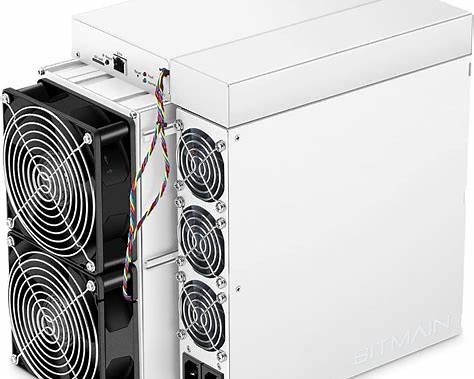
Reviews often include comparisons between cloud mining returns and the economics of owning real equipment. Users who own miners know that ROI estimates depend heavily on electricity rates. They often apply the default retail assumption of $0.085 per kWh to compare potential returns. They note that an Antminer S21 Hydro or S19j Pro+, available from BitcoinMinerSales.com, offers measurable output because performance depends on actual hashrate, power draw, pool fees, and uptime. Reviewers frequently explain that cloud mining removes these variables but adds new risks, since contract performance depends on the provider rather than the buyer. Users also mention that cloud mining contracts usually expire, while hardware continues mining until it becomes unprofitable. The ability to switch pools, adjust firmware, or modify settings is lost in cloud mining. As a result, reviews comparing both approaches often conclude that cloud mining offers simplicity, but hardware ownership offers control. This distinction appears across many threads, and users frequently encourage buyers to evaluate whether convenience compensates for reduced visibility into the mining process.
Platform Longevity and User Trust
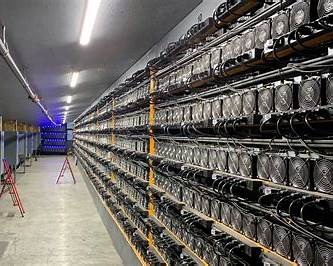
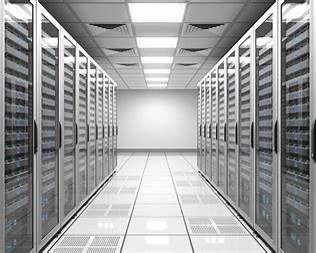
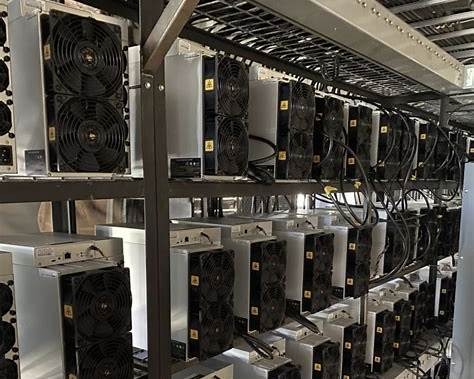
A common pattern in real cloud mining reviews revolves around platform age, history, and public transparency. Some users trust services that have operated for many years and show consistent payout history. Others warn that new platforms often disappear after attracting deposits. Reviewers explain that legitimate cloud mining should involve visible facilities, verifiable equipment, and clear contact information. Users appreciate platforms that disclose pictures of their hardware, even though these details cannot guarantee legitimacy. Long term reviews often describe how certain platforms maintain stable operations while others shut down, leaving users with unfulfilled contracts. Because cloud mining depends entirely on the provider’s reliability, reviews stress caution. Many users describe switching to owning hardware or using hosting and colocation through BitcoinMinerSales.com after experiencing a service disruption. They note that hardware ownership provides a layer of control that cloud mining cannot match.
What Users Say About Contract Types and Fees
Cloud mining contracts come in several formats, and reviews frequently describe how these differences affect payouts. Users mention fixed term contracts that run for 12 or 24 months, open ended contracts that operate until mining is no longer profitable, and daily rental models that deliver short bursts of hashrate. Many reviewers stress that maintenance fees cause most payout reductions. These fees may include electricity, repair, staffing, and facility costs. Some platforms also deduct withdrawal fees, which reduce net earnings further. Users often compare these costs to running a miner with hosting through BitcoinMinerSales.com, where electricity, uptime, and maintenance costs are transparent. Reviewers mention that some cloud contracts use high fees to reduce payouts, making it difficult to reach ROI even when difficulty stays stable. This concern dominates many community discussions and often determines whether a platform receives positive or negative reviews.
Images
Security Concerns Raised in User Reviews
Security appears often in real cloud mining reviews because users cannot control hardware that generates their payouts. Reviewers warn about platforms requesting excessive account information or delaying withdrawals. They mention that transparent companies should provide multi factor authentication, operational history, and consistent communication. Users often distrust platforms that rely on aggressive marketing or unrealistic ROI claims. Many reviews mention that legitimate mining performance aligns closely with expected output based on contracted hashrate and known network conditions. Users also discuss the risk of centralized custody, since cloud mining platforms hold all rewards until users withdraw them. This creates a situation where a platform failure or shutdown could lead to total loss. Many reviewers note that owning a miner, such as an S19 or S21 available from BitcoinMinerSales.com, removes this risk. They emphasize that while hardware has physical risks, operational control benefits outweigh the uncertainties of cloud mining custodial models.

Long Term Outcomes Shared by Users
Long term reviewers often report that cloud mining rarely produces the same returns as operating hardware in a well managed facility. They mention that difficulty increases, fee deductions, and contract expiration reduce the cumulative reward. Some users describe cloud mining as a short term experiment rather than a reliable long term strategy. Others report positive experiences on platforms that maintain consistent payouts for several years. These reviews often include detailed tracking of daily results. However, many long term reviewers explain that hardware ownership or hosting through BitcoinMinerSales.com produces clearer and more predictable results, even if initial investment costs are higher. They highlight that cloud mining’s lack of flexibility makes it difficult to optimize returns.
Conclusion
Real cloud mining reviews reveal a complex picture shaped by payout consistency, platform transparency, contract fees, and user expectations. Many miners appreciate the convenience of cloud mining, but they stress that results depend entirely on provider integrity. While cloud mining eliminates hardware management, reviewers warn that trust, contract terms, and realistic ROI expectations determine whether a service performs well. Comparisons with owning equipment such as an S19 or S21, available from BitcoinMinerSales.com, show that physical miners offer more control but require ongoing operational considerations. For those who prefer predictable management and transparent performance, hosting and colocation through BitcoinMinerSales.com provide a structured alternative. Ultimately, reviews highlight the importance of evaluating risk, conducting due diligence, and approaching cloud mining with clear expectations about its strengths and limitations.
FAQ
1. Are cloud mining payouts consistent?
Most reviewers say payouts fluctuate with difficulty, coin price, and platform performance. Consistency varies by provider.
2. Is cloud mining more profitable than owning hardware?
Reviews show that cloud mining is usually less profitable because fees reduce returns. Hardware offers more control.
3. Are cloud mining platforms trustworthy?
Some are, but many receive negative reviews for poor transparency or delayed withdrawals. Users advise caution.
4. What fees affect cloud mining results?
Maintenance fees, withdrawal fees, and contract deductions reduce payouts. Many users say these fees are not always clear.
5. Should beginners start with cloud mining or hardware?
Reviews suggest cloud mining is easier, but hardware or hosting through BitcoinMinerSales.com offers more predictable performance.