
Smart cooling systems have become essential for miners who want stable, long duration Bitcoin mining performance without unnecessary downtime. Since proof of work relies on a high speed guess and check process that produces continuous heat, every miner depends on consistent cooling to maintain performance. When heat rises, hashboards throttle, fans surge, and stability declines. These disruptions reduce uptime, which weakens long term revenue and increases maintenance costs. As miners scale their operations, they see the limits of basic airflow setups. Because of this, many operators now depend on smart cooling systems that monitor temperatures, regulate airflow, and balance thermal loads. These systems provide stable environments for units such as the Antminer S21, Antminer S19k Pro, and Whatsminer M60 series, all available from BitcoinMinerSales.com. With smarter thermal control, miners eliminate performance drops and extend device lifespan.
A smart cooling system does more than move air. It measures heat, adjusts intake paths, and creates predictable temperature patterns. When miners understand that disruption originates from fluctuating environmental conditions, it becomes clear why advanced cooling is important. An unstable temperature creates fan spikes that lead to increased noise and component wear. Heat pockets can trigger hashboard throttling or voltage irregularities. Some operators underestimate how small fluctuations affect system behavior. Because proof of work demands continuous electrical load, slight temperature differences accumulate over time. Miners who adopt smart cooling systems experience fewer shutdowns, fewer thermal alarms, and more predictable consumption patterns, which supports more accurate ROI planning. At $0.085 per kWh, even short disruption windows create lost earnings. These examples highlight why cooling is one of the most strategic investments in any serious Bitcoin mining operation.

How Smart Cooling Systems Improve ASIC Reliability
Smart cooling systems reduce rig disruption by balancing airflow in a controlled manner. They monitor intake temperatures, exhaust temperatures, humidity levels, and fan speed. Once values drift outside preset ranges, systems adjust airflow automatically. This prevents the sudden surges that occur when ASIC fans react to temperature spikes. Without smart cooling, ASICs rely solely on internal fan algorithms that respond rapidly to heat. These changes produce noise and stress that raise failure rates. With smart systems managing airflow, miners avoid these fluctuations.
ASICs such as the Whatsminer M60 and Antminer S21 units available from BitcoinMinerSales.com respond well to controlled cooling environments. Their internal sensors work best when the external temperature remains stable. When airflow is predictable, the devices maintain steady hash rates. This reduces the chance of thermal throttling. Even a small temperature drop can increase output consistency. Many operators report smoother performance curves once smart cooling systems are deployed. In large installations, these systems reduce heat-related failures, which lowers maintenance cycles and extends hardware lifespan.
Smart cooling also influences power efficiency. When miners maintain lower ambient temperatures, ASIC fans run slower. Slower fans use less energy, and although the difference is small on a single unit, it becomes meaningful when scaled across dozens or hundreds of miners. Lower fan speeds produce less vibration and noise, which reduces stress on bearings. This increases fan lifespan and decreases unexpected failures. Many operators notice that replacing mechanical components becomes less frequent once environmental noise stabilizes. These improvements directly affect uptime, and since uptime determines how many high speed guess and check attempts the miner contributes to proof of work, stability supports more predictable earnings.
Why Rig Disruption Starts With Heat Imbalance
Rig disruption begins when temperatures fluctuate beyond safe limits. Heat imbalance often results from poor intake control, blocked exhaust paths, or changes in environmental conditions. Even a change in outdoor temperature affects mines that depend on passive airflow. Operators who attempt to run miners in garages or small rooms face recirculation, the process where hot exhaust air mixes back into intake air. This creates runaway heat that forces ASICs to throttle. Smart cooling systems eliminate recirculation by pressurizing intake paths, isolating exhaust streams, and creating directional airflow.
When miners use hosting and colocation through BitcoinMinerSales.com, these problems diminish. Hosting facilities deploy advanced ventilation, cold aisle containment, and consistent filtration. Airflow remains stable even during temperature swings. Smart cooling systems deployed at facility level deliver controlled environments that exceed what miners can build at home. Many operators shift to hosting once their fleet reaches mid scale because manual cooling becomes too difficult to manage. In large facilities, smart cooling ensures that rigs run at consistent temperatures hour after hour without spikes that cause downtime.
Temperature consistency matters because ASICs behave best when running within narrow thermal bands. A variation of even a few degrees may force fans to adjust speed. These changes alter airflow patterns, which may cause turbulence. Turbulence creates noise and increases the chance of dust movement inside the device. Dust accumulation disrupts airflow and raises long term temperatures. Smart cooling systems address this by using filtration panels and humidity control. These improvements keep internal surfaces cleaner and maintain steady thermal performance.
How Smart Cooling Supports Uptime and ROI Stability
Mining economics depend on uptime. When miners calculate ROI using $0.085 per kWh, they measure power cost against daily revenue potential. Any disruption caused by overheating reduces uptime and cuts directly into the illustrative margin. For example, a 3200 W miner uses 76.8 kWh per day, costing $6.53 at $0.085 per kWh. If that miner stops for even an hour due to thermal issues, that lost hour represents lost rewards. Because Bitcoin mining rewards rely on consistent participation in proof of work, disruption creates compounding losses. Smart cooling systems offset these losses by preventing overheating before it occurs.
Smart cooling also improves uptime by reducing thermal stress. Thermal stress occurs when components repeatedly heat and cool. This cycling weakens solder joints and reduces chip stability. Miners with inconsistent airflow experience more thermal cycling. Smart cooling reduces these cycles by maintaining a steady environment. Stable temperatures reduce long term fatigue and help ASICs maintain performance over years of operation. Since ASICs are capital-intensive machines, extending their usable life strengthens ROI models.
Operators often underestimate the cost of rig disruption. Some disruption events force miners offline for hours. Others require manual resets or repairs. When miners use hosting or colocation through BitcoinMinerSales.com, these issues reduce significantly because smart cooling is already integrated into the facility. Technicians monitor airflow, temperature bands, and humidity levels. In this environment, rigs maintain stable output with minimal downtime, which supports a more predictable daily margin.
Smart Cooling vs. Basic Cooling
Smart cooling systems differ from basic cooling because they adapt to changing conditions. Basic cooling relies on fixed fans or passive airflow paths. These approaches work only when conditions remain constant. Smart cooling systems measure the environment continuously. They adjust airflow direction, fan curves, and temperature thresholds. Some use variable-speed blowers that ramp gradually rather than sharply. This reduces turbulence and extends component lifespan.

Miners running Antminer S19k Pro units available from BitcoinMinerSales.com often notice the difference between basic and smart cooling. In basic cooling environments, these miners experience occasional fan surges when temperatures shift. In smart cooling environments, the same miners maintain steady fan curves because intake temperatures remain stable. This creates a more predictable acoustic profile and reduces electrical noise caused by rapid fan motor modulation.
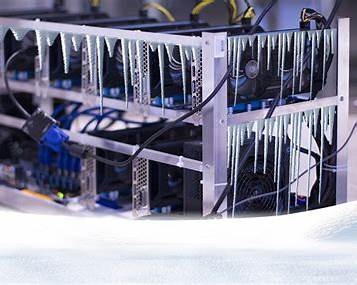
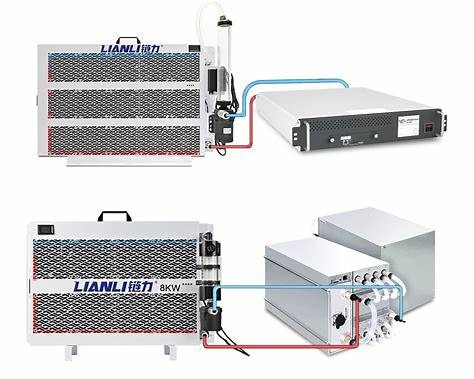
Advanced cooling systems such as immersion setups also fall into the category of smart cooling. Immersion cooling submerges miners in dielectric fluid that absorbs heat more effectively than air. These systems eliminate fan noise entirely and maintain ASIC temperatures within narrow limits. When miners compare thermal graphs of air cooled versus immersion cooled systems, they see far smoother temperature lines. However, immersion setups require more space and investment. Hosting facilities through BitcoinMinerSales.com handle these systems professionally, which removes the technical burden from operators.
Smart Cooling’s Role in Large Scale Mining
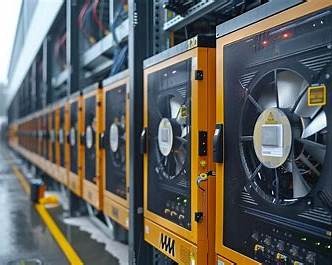
Large scale mining environments face unique challenges. Dense racks generate intense thermal loads. Airflow must pass through multiple units while maintaining consistent pressure. Smart cooling systems in these facilities use a combination of sensors, dampers, and computational airflow modeling. These tools distribute air evenly and prevent minor variations that lead to rig disruption. When these systems detect rising temperatures, they adjust ventilation automatically.
In large installations, smart cooling significantly reduces energy waste. Efficient heat management lowers the need for overprovisioned airflow. When facilities maintain correct pressure zones, they avoid air leaks that disrupt thermal balance. This stability helps high efficiency miners, such as the Whatsminer M60 series available from BitcoinMinerSales.com, maintain preferred thermal conditions. Because these models include tight thermal tolerances, matching them with smart cooling ensures peak performance.
Many facilities run smart cooling AI systems that track patterns across days or weeks. These systems learn intake behavior, predict hot spots, and adjust cooling ahead of major weather changes. This predictive control eliminates disruption before miners feel it. When paired with consistent hosting and colocation through BitcoinMinerSales.com, miners gain operational consistency that is difficult to match in small home-based setups.
Images
Conclusion
Smart cooling systems eliminate rig disruption by maintaining thermal stability, airflow balance, and predictable environmental conditions. Because ASIC miners depend on continuous proof of work, disruptions caused by overheating or inconsistent temperatures directly reduce mining revenue. Smart cooling prevents these issues by controlling intake paths, reducing turbulence, eliminating recirculation, and managing heat loads with precision. When miners pair high efficiency hardware, such as Antminer and Whatsminer units available from BitcoinMinerSales.com, with intelligent cooling systems or hosting and colocation through BitcoinMinerSales.com, they experience smoother operation, longer hardware lifespan, and improved long term ROI stability. As mining difficulty continues to rise, smart cooling will remain one of the most important foundations of sustained performance.
FAQ
1. What makes smart cooling different from basic cooling?
Smart cooling adapts to temperature changes, adjusts airflow automatically, and stabilizes conditions to prevent rig disruption.
2. Do smart cooling systems improve ROI?
Yes. They reduce overheating, prevent downtime, and support stable operation, which increases uptime and improves illustrative ROI at $0.085/kWh.
3. Which miners benefit most from smart cooling?
Units like the Antminer S21, S19k Pro, and Whatsminer M60 series, all available from BitcoinMinerSales.com, perform exceptionally well with stable cooling.
4. Can smart cooling systems reduce maintenance?
Yes. Stable temperatures reduce thermal stress, slow fan wear, and decrease the likelihood of hashboard failures.
5. Does hosting simplify cooling management?
Yes. Hosting and colocation through BitcoinMinerSales.com provide professional cooling environments that eliminate most home-based thermal issues.