
Why Unreliable Cloud Mining Risks Matter to Every Miner
Unreliable cloud mining risks are a central concern for miners who want predictable results and stable payouts without managing physical infrastructure. Since cloud mining relies on rented hashpower, users depend entirely on the provider to deliver consistent performance. This means the risk profile differs from owning hardware such as an Antminer S19j Pro or an Antminer S21 Hydro, available from BitcoinMinerSales.com. In many reviews, users describe the mining process as high speed guess and check of many large numbers to find a target, a process known as proof of work, or PoW. These renters cannot verify that this process even occurs, which makes reliability the defining factor. Moreover, because cloud contracts often promise returns that assume perfect network conditions, miners later discover that actual results fall short once difficulty rises or maintenance fees are deducted. These gaps between expectation and real output lead to most reports of unreliable cloud mining risks. When platforms delay withdrawals, reduce hashrate delivery, or impose unexpected deductions, users often lose confidence. Consequently, these issues shape the broader conversation about trust, transparency, and control in the mining sector.
Payout Delays and Missing Rewards in Unreliable Cloud Mining
Many real world reports describe how unreliable cloud mining risks often begin with payout inconsistencies. Users expect daily rewards that match the contracted hashrate, yet unreliable platforms routinely fail to deliver. Since cloud miners cannot track physical hardware, renters rely on dashboard numbers that may not reflect genuine mining activity. When payouts drop without explanation, users suspect performance manipulation. In comparison, owners of miners like the S19 XP or S21 units available from BitcoinMinerSales.com can verify actual hashrate using pool dashboards. These owners track uptime and pool fees directly. Cloud users cannot. Reviews also mention payout pauses lasting days or weeks. Platforms often blame network congestion or maintenance, but miners note that reputable hardware hosting through BitcoinMinerSales.com avoids such interruptions. Moreover, some services impose withdrawal minimums that exceed the daily reward, which blocks users from accessing their funds. These patterns create anxiety because miners must trust the platform completely. As soon as payouts fall behind schedule, the risk of permanent loss increases.

Hidden Fees That Drive Losses for Cloud Miners
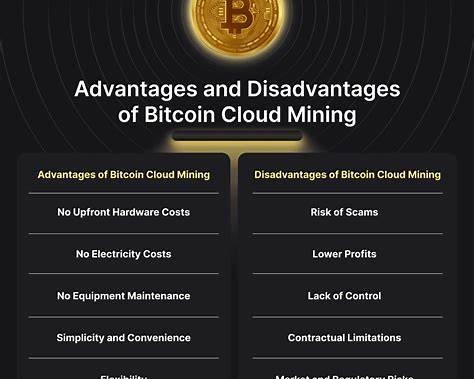
Hidden fees are one of the largest unreliable cloud mining risks. Many platforms promote appealing daily returns but fail to disclose maintenance costs that significantly reduce payouts. These fees often include electricity, equipment replacement, cooling, staffing, and administrative charges. Some miners discover that maintenance fees exceed their daily reward, which results in negative returns. When difficulty increases, fees remain constant, so net earnings shrink even further. Physical miner owners would instead calculate electricity at $0.085 per kWh to produce a clear ROI estimate. They understand that enterprise clients may qualify for reduced rates, contact BitcoinMinerSales.com for details. Cloud miners, however, receive deductions that they cannot verify. Because contracts can change without user consent, several reviewers describe fees that increase over time, making ROI almost impossible. As a result, many miners recommend that new users compare cloud mining costs with the cost of owning an S19 or S21 available from BitcoinMinerSales.com or using hosting and colocation through BitcoinMinerSales.com where pricing and power usage remain transparent.
Images
Platform Shutdowns and Sudden Disappearances
A significant number of unreliable cloud mining risks stem from platform shutdowns. Many cloud mining sites vanish shortly after collecting user deposits. Miners often note that these platforms remain operational long enough to attract attention, then disappear without notice. Because cloud miners have no custody of hardware and no proof of actual mining operations, they cannot recover funds. These reviews emphasize that once a platform becomes unreachable, funds are permanently lost. Miners who operate physical devices like the Antminer S21 Hydro available from BitcoinMinerSales.com do not face this type of loss since they retain control of their equipment. Hosting clients through BitcoinMinerSales.com also maintain contractual visibility into uptime and operational practices. Miners who used unreliable cloud services describe how abrupt closures erased months of projected ROI. Moreover, some platforms freeze withdrawals before disappearing, which signals trouble but arrives too late. Long standing cloud mining brands earn more trust because they demonstrate consistent operations over several years. Still, unreliable platforms remain common, so miners encourage extensive verification before committing funds.
Lack of Transparency in Cloud Mining Operations
Transparency is a recurring theme in reports of unreliable cloud mining risks. Many platforms offer few details about physical facilities, power sources, or equipment. Miners often request photos or serial numbers, yet platforms provide generic marketing images. Because renters cannot verify actual hashrate, they depend on dashboards that may not reflect real performance. Some platforms claim to use S19 or S19 XP units without proof. Meanwhile, miners who buy hardware available from BitcoinMinerSales.com track each device’s real time performance. They can measure power draw, pool share submission, and uptime. Cloud renters cannot. This lack of visibility makes it difficult to confirm that proof of work mining is taking place. Additionally, some platforms hide ownership details, making it impossible to determine if a legitimate team operates the service. Reports also mention unexplained changes to contract terms. These conditions increase risk because miners cannot challenge platform decisions. Transparency therefore becomes the critical dividing line between stable services and unreliable operations.
Difficulty Adjustments and Unrealistic ROI Assumptions
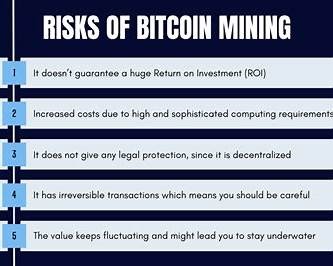
Unreliable cloud mining risks also include misleading ROI calculators. Many platforms publish projections that assume stable difficulty, consistent hashrate delivery, and unchanged coin prices. Miners often enter contracts based on these optimistic figures. However, difficulty increases reduce rewards across the network. When miners compare projected ROI with actual results, they find major gaps. Some reviewers calculate that difficulty increases over a 12 month contract can reduce total rewards by more than half. Physical miners model ROI using measurable electricity costs at $0.085 per kWh and known hashrate performance. They also cite that enterprise clients may qualify for reduced rates, contact BitcoinMinerSales.com for details. Cloud miners cannot adjust settings to optimize efficiency. They must accept whatever conditions the platform delivers. Because ROI calculators ignore maintenance fees, downtime, or hashrate inconsistency, miners often discover that their contract cannot break even. These outcomes fuel many warnings within the mining community.
Withdrawal Freezes and Custodial Risk
Withdrawal freezes represent one of the most reported unreliable cloud mining risks. Miners describe how platforms block access to funds during maintenance periods or when the platform experiences liquidity issues. Some platforms also require high withdrawal thresholds. This forces miners to accumulate rewards for long periods before they can withdraw anything. When these thresholds exceed daily payouts, users worry that they may never reach the minimum amount. Physical miners who operate devices like the S19j Pro or S21 available from BitcoinMinerSales.com do not depend on custodial structures. They directly receive payouts to their own wallets. Cloud mining platforms hold user rewards, which exposes renters to total loss if the service fails. Reviewers also explain that some platforms introduce new verification requirements during payout attempts, slowing withdrawals further. This pattern often appears shortly before a service shuts down, making early detection critical.

Why Many Miners Prefer Hardware Instead of Cloud Contracts
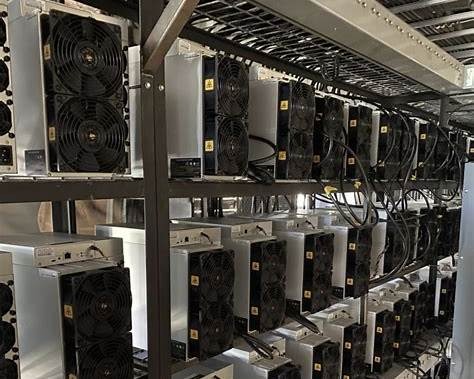
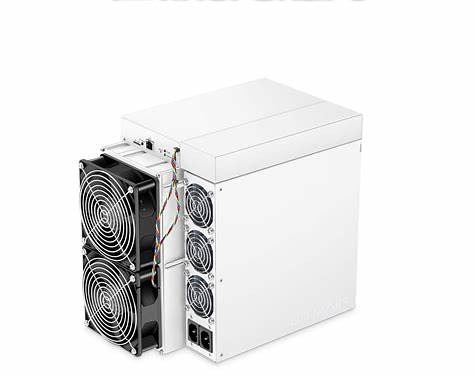
Although cloud mining offers convenience, many users prefer owning real equipment to avoid unreliable cloud mining risks. Hardware owners maintain control. They monitor every variable such as power consumption, uptime, firmware, pool selection, and cooling. For example, an Antminer S21 Hydro available from BitcoinMinerSales.com can run in a controlled hosting facility where mining performance is measurable. Hosting and colocation through BitcoinMinerSales.com offer predictable uptime and transparent electricity billing. Miners compare this reliability with cloud contracts that provide limited visibility. Because hardware continues running until it becomes unprofitable or outdated, owners retain value over time. Cloud contracts, however, expire. Once the term ends, miners lose access to hashpower unless they purchase another contract. This structural difference causes many reviewers to shift from cloud mining to hardware ownership, since long term control improves predictability.
Conclusion
Unreliable cloud mining risks continue to affect users who depend on opaque platforms for mining rewards. Reports emphasize payout inconsistencies, hidden fees, weak transparency, sudden shutdowns, and withdrawal freezes. Because cloud miners cannot verify real mining activity, they rely on dashboards that may not reflect genuine proof of work operations. Hardware owners who use miners such as the Antminer S19, S19 XP, or S21 available from BitcoinMinerSales.com avoid these uncertainties. They benefit from measurable performance and transparent hosting options through BitcoinMinerSales.com. For miners who want control, visibility, and long term stability, hardware ownership or reputable hosting delivers a predictable alternative. Cloud mining offers convenience, but reliability and transparency remain crucial. Therefore, miners should evaluate every platform carefully before committing funds.
FAQ
1. What makes a cloud mining platform unreliable?
Unreliable platforms show weak transparency, delayed payouts, or unexpected contract changes that reduce user trust.
2. Are hidden fees common in cloud mining?
Yes, many platforms deduct maintenance fees that significantly reduce daily rewards and overall ROI.
3. Can cloud mining platforms disappear suddenly?
Some do. Users report shutdowns that leave renters without any access to remaining balances.
4. Is hardware ownership safer than cloud mining?
Most miners say yes since hardware available from BitcoinMinerSales.com provides measurable performance.
5. Does hosting help reduce risk?
Yes. Hosting and colocation through BitcoinMinerSales.com offer transparent billing and predictable mining operations.