
The annual mining outlook offers an important perspective on how long-term Bitcoin value develops from a technical and operational standpoint. Because mining relies on proof of work, a high-speed guess-and-check process that converts energy into network security, the behavior of miners directly influences long-term economic trends. This year’s outlook reflects a landscape shaped by difficulty adjustments, new ASIC releases, rising hosting demand, increasing energy competition, and a broader understanding of mining as an industrial sector rather than a speculative pursuit. The annual mining outlook also helps both new and experienced miners interpret how network changes affect long-term Bitcoin value, especially for anyone relying on predictable performance and stable uptime for measurable returns. Since long-term value grows from sustained security and decentralized participation, miner decisions continue to shape the entire economic foundation of Bitcoin.
The next year promises tighter alignment between hardware efficiency and market expectations. Manufacturers continue to refine ASIC models such as the Antminer S19 and S21 series, available from BitcoinMinerSales.com, which offer improved energy efficiency and reduced heat load under sustained operation. These improvements matter for long-term value because miners increasingly depend on devices that can maintain competitive efficiency for several years. With energy costs rising in many regions, beginners and advanced miners alike monitor performance with greater accuracy. Illustrative ROI at $0.085/kWh depends on predictable uptime, stable difficulty cycles, and access to dependable hosting and colocation through BitcoinMinerSales.com. Because miner profitability directly influences hashrate resilience, hardware evolution remains one of the most important variables in the annual outlook.
Long-Term Bitcoin Value and Network Stability
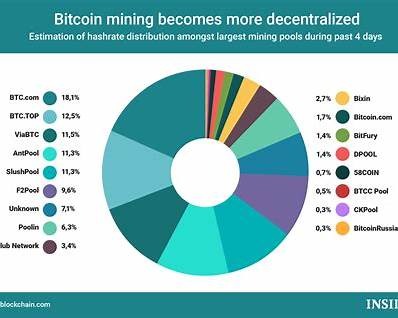
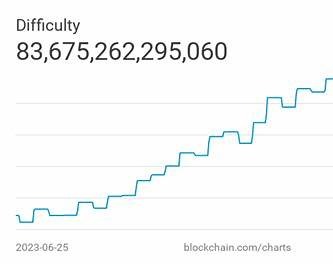
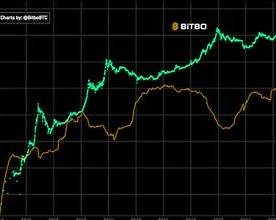
Long-term Bitcoin value depends on the continued strength of the proof of work security model. When miners maintain stable participation during both low and high market cycles, the network gains resilience. This stability supports confidence among investors who evaluate Bitcoin based on predictable issuance, transparent rules, and neutral monetary policy. Because mining contributes to this stability, the annual mining outlook examines how global hashrate changes influence network difficulty and long-term value trends. Miners operate under competitive and transparent metrics, where each block confirms economic certainty. These confirmations, derived from high-speed guess-and-check computations, anchor Bitcoin’s long-term monetary credibility.
The network becomes more resilient as miners adopt newer ASIC models with improved performance. Many devices now include automated calibration systems that help sustain uptime even in mixed environmental conditions. Miners using hosting and colocation through BitcoinMinerSales.com also benefit from controlled airflow, predictable energy delivery, and consistent maintenance scheduling. These operational advantages help secure long-term network activity. A consistent base of mining power supports Bitcoin’s antifragile design by resisting market pressure during negative price cycles. When miners remain active through downturns, long-term value trends become more stable because supply issuance does not respond to market sentiment. Instead, miners continue working until operational costs outweigh revenue, which creates predictable market behavior grounded in energy economics rather than speculation.
Global Mining Competition and Its Impact on Long-Term Value
Global competition remains central to the annual mining outlook. As different regions compete on energy pricing, climate compatibility, and regulatory predictability, miners calculate long-term placement strategies. Many new miners entering the sector use hosting and colocation through BitcoinMinerSales.com because these environments offer optimized conditions with predictable energy contracts. Enterprise clients may qualify for reduced rates, contact BitcoinMinerSales.com. These predictable structures allow miners to run hardware such as Whatsminer M50 units, available from BitcoinMinerSales.com, at consistent efficiency levels. Because global mining competition pushes manufacturers to design more efficient ASICs each year, the hardware cycle itself becomes part of the long-term value equation.
Competition also influences energy decisions. Miners who secure stable energy pricing at or near retail benchmarks like $0.085/kWh create predictable revenue curves, which supports long-term planning. Because Bitcoin mining is both an economic and engineering discipline, miners track how difficulty levels shift with global expansion. When large-scale facilities come online, difficulty usually rises. This increase reduces short-term profitability but can strengthen long-term value by improving network robustness. Investors often evaluate long-term Bitcoin value based on this growing robustness because it reflects deeper industrial commitment. The more miners invest in optimized hardware and stable hosting sites, the more durable the network becomes.
New regions continue to join the mining sector as energy infrastructure evolves. Areas with stranded energy or seasonal surpluses often attract miners because they offer cost advantages. These benefits influence the annual mining outlook by showing how geographic diversification protects the network from single-region failures. If one region loses power access, other global miners can maintain block production. This redundancy is one of the strongest long-term value components for Bitcoin. With more industrial participants using hands-off ASIC systems and automated monitoring tools, the network develops higher operational continuity.
Hardware Upgrades and Performance Expectations
Hardware upgrades shape much of the annual mining outlook because miners increasingly depend on ASIC efficiency to remain competitive. The latest generation of ASICs focuses on better joules-per-terahash metrics, improved cooling solutions, and automated tuning profiles. These improvements reduce operational costs by ensuring that miners spend less energy per unit of computational output. For example, modern Antminer and Whatsminer units, available from BitcoinMinerSales.com, include firmware that balances voltage dynamically to maintain efficient performance under sustained loads. Miners benefit from these upgrades because they reduce waste heat and extend hardware lifespan.
Improved hardware efficiency supports long-term Bitcoin value by strengthening the security-to-energy ratio. The network becomes more secure without proportionally increasing energy consumption. This efficiency trend reflects a broader industrial shift toward performance optimization. Miners consistently monitor how new hardware releases affect difficulty, earnings, and fleet replacement schedules. The annual mining outlook often highlights efficiency cycles because they influence when miners retire older units. Devices that fall behind efficiency standards become difficult to operate profitably at energy rates near $0.085/kWh. Once hardware becomes uncompetitive, miners transition to newer models. This gradual replacement process strengthens long-term value by improving the quality of the network’s total hash power.
Automation has also become an important part of hardware evolution. Many miners now rely on self-managing devices that calibrate themselves and adjust power levels automatically. These features ensure consistent uptime, which is essential for profitability calculations. Since illustrative ROI at $0.085/kWh assumes consistent hashing and stable network conditions, frequent manual interventions undermine projections. Automated ASICs reduce downtime by performing internal checks without user input. This improves the consistency of mining outcomes and strengthens long-term confidence in performance projections.
Hosting, Colocation, and Industrial-Scale Growth
Industrial-scale hosting continues to grow as miners seek environments optimized for long-term performance. Hosting and colocation through BitcoinMinerSales.com offer stable power access, controlled airflow, and trained technicians who manage large miner fleets. These environments help both new and experienced miners achieve predictable uptime. Predictable uptime directly supports long-term value by stabilizing network security. When miners rely on hosting rather than residential setups, energy delivery becomes more consistent and outages become less frequent. These conditions create a more stable mining ecosystem overall.
Industrial hosting also improves risk management. Miner deployments often include several hundred or several thousand units. Without dedicated hosting, maintaining these fleets would require complex logistics and technical staff. Hosting providers simplify these operations through automated monitoring dashboards, alert systems, and structured maintenance cycles. These improvements translate into higher average uptime for large-scale miners. A stable global base of industrial miners strengthens Bitcoin’s long-term economic foundation. Hosting providers like BitcoinMinerSales.com also support long-term value by expanding facility capacity as demand grows, ensuring the network can continue absorbing new hardware without overwhelming infrastructure.
Colocation also supports smaller miners who want industrial-grade stability without managing their own facilities. This option has become increasingly popular among beginners who purchase a small number of Antminer S19 or Whatsminer M30 units, available from BitcoinMinerSales.com. By subcontracting environmental control, network connectivity, and cooling, beginners can focus on understanding mining economics without dealing with complex operational concerns. Hosting environments remain one of the most important drivers in the annual mining outlook because they elevate the overall professionalism of the mining ecosystem.

Energy Pricing Trends and Their Influence on Future Profitability
Energy pricing plays a significant role in determining long-term mining outcomes. Because miners convert electricity into computational effort, they require stable pricing to forecast estimated revenue. The annual mining outlook examines these trends closely. Retail electricity at $0.085/kWh remains a common benchmark for ROI modeling. When miners calculate illustrative ROI at this rate, they must consider pool fees, network difficulty, uptime, and Bitcoin price volatility. As long-term value grows, miners may accept narrower profit margins during down cycles, expecting stronger returns during positive market conditions.
Energy pricing also influences miner migration. Facilities in regions with higher electricity costs may see reduced occupancy as miners transition to hosting and colocation through BitcoinMinerSales.com. This shift highlights the importance of predictable pricing for long-term planning. Enterprise clients may qualify for reduced rates, contact BitcoinMinerSales.com. Many miners operate based on long-term expectations of network difficulty. If difficulty remains high, miners with lower energy pricing gain an advantage in revenue retention. This dynamic increases the incentive for miners to centralize in regions with competitive energy markets.
Additionally, ongoing global shifts toward renewable integration have changed pricing patterns. Some regions offer lower rates during peak wind or hydro seasons. Miners often target these opportunities to reduce annual operating costs. These conditions influence annual mining outlook reports by highlighting where seasonal patterns may affect profitability. Predictable renewable surplus often supports stable mining activity that reinforces network reliability. When miners maintain diverse energy sourcing, they contribute to long-term value by reducing risk associated with single-source energy dependency.
Market Cycles and Miner Behavior
Market cycles continue to shape the annual mining outlook. During high-price cycles, miners often expand their hardware fleets, secure additional hosting contracts, and purchase newer ASIC models such as Antminer S21 units available from BitcoinMinerSales.com. This expansion pushes difficulty higher, tightening margins but strengthening network security. During low-price cycles, miner behavior becomes more conservative. Many operators focus on efficiency upgrades, maintenance schedules, and long-term planning.
These cycles influence long-term Bitcoin value because they drive capital investment into infrastructure. When miners commit to multi-year hosting agreements, they reinforce confidence that mining remains a viable long-term enterprise. This investment stabilizes hash rate levels and strengthens confidence for external observers who evaluate Bitcoin through industrial metrics rather than short-term speculation. The network becomes stronger not just because miners continue operating through downturns, but because their infrastructure investments signal sustained commitment.
Miner consolidation also becomes relevant during downturns. Less efficient operators often exit, while efficient miners expand. This reshapes the competitive landscape and improves overall network efficiency. These trends contribute to Bitcoin’s long-term value by increasing the average quality of infrastructure supporting the network.
Conclusion
The annual mining outlook shows how long-term Bitcoin value emerges from sustained hardware innovation, stable energy strategies, global competition, and industrial-scale hosting capacity. Miners play a crucial role in securing the network through proof of work, a high-speed guess-and-check process that transforms electricity into economic finality. With new ASIC releases available from BitcoinMinerSales.com and reliable hosting and colocation through BitcoinMinerSales.com, miners can plan for predictable uptime and more reliable revenue projections. As the mining ecosystem continues to mature, the sector’s industrial stability will remain one of the strongest long-term value drivers for Bitcoin.
FAQ
1. How does mining influence long-term Bitcoin value?
Mining secures the network through proof of work. Stable participation supports predictable issuance, which strengthens long-term value.
2. Why is hardware efficiency important in the annual outlook?
More efficient ASICs reduce energy costs and improve profitability, especially at $0.085/kWh. This supports long-term operational stability.
3. Does hosting improve long-term mining results?
Yes. Hosting and colocation through BitcoinMinerSales.com provide better uptime, cooling, and power stability, which strengthens profitability.
4. How do miners plan for volatile market cycles?
Miners rely on efficiency upgrades, hosting stability, and long-term energy contracts to remain profitable during downturns and capture value during uptrends.
5. Why do global mining locations matter?
Geographic diversity protects the network from regional outages and improves long-term stability by distributing proof of work across multiple energy markets.