
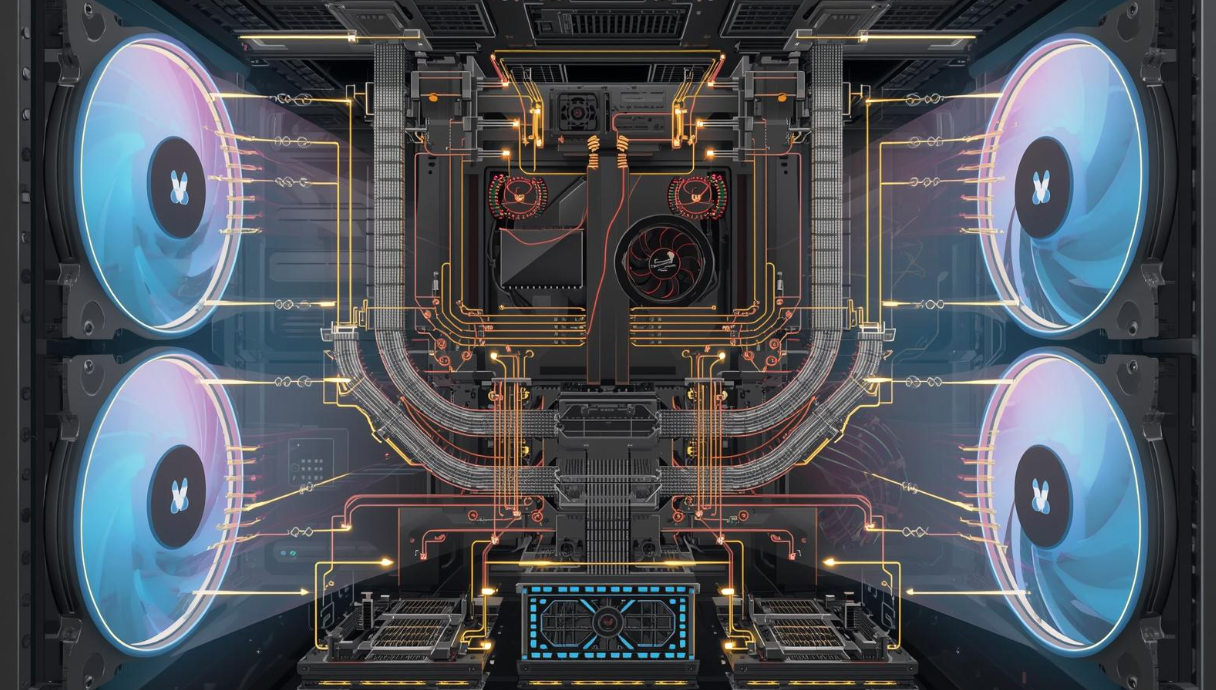
Avoiding noise complaints has become a priority for many Bitcoin miners who operate in residential spaces, small workshops, or shared commercial environments. Although mining hardware continues to evolve, ASIC miners still produce sound due to high speed fans that cool components during the continuous proof of work process. Proof of work relies on high speed guess and check attempts of large numbers until a target value is found. This creates steady heat output that pushes fans to maintain airflow. Without proper cooling design, these fans run at high speeds that generate noise capable of drawing complaints from neighbors or nearby tenants. Miners who want long term operation must learn to manage sound in a structured way. Fortunately, avoiding noise complaints is achievable with the right mix of smart cooling, space management, and airflow control. Modern ASICs such as the Antminer S21, Antminer S19k Pro, and Whatsminer M60 units, all available from BitcoinMinerSales.com, can operate much more quietly when placed in optimized environments. With effective planning, miners can enjoy stable performance without the disruptive sound levels that often occur in unmanaged setups.
Noise concerns usually begin with unmanaged airflow. When miners operate in enclosed spaces without defined intake or exhaust paths, heat rises quickly. Rising heat forces internal fans to accelerate. High fan speed produces louder acoustic output. Additionally, poor airflow causes turbulent air movement around heatsinks, which amplifies noise. Many operators underestimate how much turbulence contributes to perceived volume. Even small obstructions, sharp bends in airflow ducts, or blocked intake filters can increase turbulence. Over time, excessive turbulence forces fans to compensate for rising temperatures, which raises the overall noise profile. To avoid noise complaints, miners must design airflow that keeps temperatures stable. Stable temperature equals stable fan speed, and stable fan speed equals reduced noise. Structured airflow also reduces the chance of sudden noise spikes that may alarm neighbors or nearby occupants.

Why Airflow Design Helps You Avoid Noise Complaints
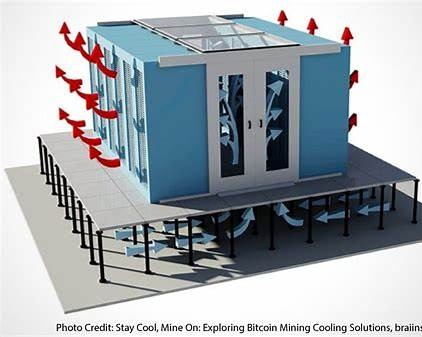
Airflow design remains one of the most effective ways to avoid noise complaints from mining rigs. Even advanced ASICs need consistent intake air to maintain performance. When intake temperatures remain low, fan curves flatten out, leading to lower noise. Most rigs become louder only when internal temperatures rise. Smart airflow ensures that intake paths deliver cool air directly to the miner with minimal turbulence. When operators install simple ducting or direct intake vents, they create predictable temperature conditions that prevent fan surges. This approach allows miners to keep their rigs in enclosed environments without generating disruptive noise.
Another important piece of airflow design involves separating intake and exhaust streams. If exhaust air recirculates into intake channels, temperatures increase rapidly. This recirculation effect is one of the primary reasons rigs become noisy in poorly managed rooms. Smart cooling systems or ducting can prevent recirculation. When miners take steps to route hot air away from equipment, they achieve long term noise reduction. Even small changes, such as adjusting duct direction or adding air gaps, help eliminate unnecessary heat buildup. Miners who use hosting and colocation through BitcoinMinerSales.com benefit from facility-level airflow optimization designed to keep temperatures stable.
Systems designed for noise reduction also include controlled filtration. Dust buildup forces miners to work harder to cool themselves. An intake filter reduces dust intrusion, but the filter must remain clean to avoid airflow restriction. Clean filters support smooth airflow, which keeps internal temperatures low and prevents fan speed fluctuations. This stability becomes critical when avoiding noise complaints in residential areas. Although filtration introduces slight airflow resistance, properly sized filters maintain consistent internal conditions without producing significant noise.
How Efficient Hardware Helps You Avoid Noise Complaints
Efficient miners operate with less heat, which means they require less aggressive fan operation. High efficiency ASICs, such as the Whatsminer M60 or Antminer S21 units available from BitcoinMinerSales.com, convert more electrical energy into productive hash output and less into waste heat. Because heat output remains one of the primary causes of noise, efficient hardware naturally reduces acoustic impact. These devices include refined heatsink geometry, improved chip layout, and better control algorithms that maintain stable fan curves. When combined with proper airflow design, they run quieter than older models.
Upgrading to efficient hardware also helps operators maintain stable fan operation under varying environmental conditions. For example, a miner drawing 2900 W generates less heat than a miner drawing 3400 W. At $0.085 per kWh, the 2900 W miner costs $5.91 per day to run, while the 3400 W unit costs $6.94. Although the difference appears small, the reduced heat output significantly influences fan speed. Lower fan speeds reduce acoustic energy and extend component life. Efficient miners also handle incremental temperature changes more gracefully. Sudden temperature spikes force older units to surge their fans at unsafe levels, causing sharp increases in noise. Efficient hardware keeps these swings under control.
When operators seek ways to avoid noise complaints, effective miner selection plays a major role. Many people assume that all miners produce intense noise, but this is not true when using efficient models placed in optimized cooling systems. With proper planning, newer ASICs deliver powerful performance without reaching the high noise levels associated with outdated or poorly configured hardware. This performance stability matters for anyone who needs to run miners in shared environments.
Strategies to Avoid Noise Complaints in Residential Settings
Running miners in residential environments requires special care. A well designed quiet room reduces heat, controls airflow, and provides noise absorption. Many miners create small enclosures lined with acoustic foam. This foam does not trap heat if airflow remains unobstructed. Instead, it absorbs high frequency noise produced by moving air and spinning fans. When paired with directional airflow ducts, this setup becomes effective at reducing perceived sound. However, operators must always ensure that airflow remains strong enough to prevent overheating. A common mistake is adding too much foam, which restricts air movement and forces miners to overheat. Smart cooling involves maintaining full airflow volume while softening the noise produced by fan turbulence.
Another way to avoid noise complaints involves placing miners in insulated external areas such as storage buildings or detached garages. These spaces offer natural separation between rigs and living environments. When the miner sits in an isolated structure, neighbors remain less likely to hear any sound produced. Operators must still manage heat and airflow properly. Unmanaged garages trap heat, which forces miners into higher fan speeds. A quiet setup requires cool intake air and an exhaust path that removes heat efficiently. For many operators, it becomes easier to maintain airflow in independent spaces because they can install ducts or vents without disturbing the main building.

Some miners choose to eliminate noise concerns entirely by using hosting and colocation through BitcoinMinerSales.com. Hosting facilities manage cooling, airflow, and noise at an industrial level. Since rigs operate in controlled environments, fan noise becomes irrelevant to the operator. This option remains ideal for miners who want powerful systems without affecting neighbors or household members. Hosting also increases uptime by preventing environmental issues such as overheating, dust buildup, or humidity shifts.
How Thermal Stability Helps You Avoid Noise Complaints
Thermal stability directly influences noise levels. When miners run at consistent temperatures, fans maintain predictable speeds. Maintaining thermal stability reduces noise spikes that often lead to complaints. Temperature stability depends on several factors, including airflow direction, ambient temperature, humidity, and miner efficiency. Smart cooling methods help keep temperatures within stable limits. For example, directing intake air from cooler areas or using dedicated intake vents helps maintain a consistent environment.
Because Bitcoin mining uses continuous high speed guess and check attempts, heat accumulates quickly inside the miner. When ambient temperatures rise, internal components warm up, pushing fans harder. Smart cooling methods prevent these rises by moving heat out of the enclosed area quickly. If hot air remains in the room, temperatures climb even if miners attempt to compensate. Smart exhaust design eliminates this issue by moving hot air away from equipment.
Miners using basic airflow often see a “heat creep” effect where temperatures gradually increase during operation. This effect forces fans to accelerate slowly over time, causing incremental noise increases. Smart cooling systems avoid heat creep by maintaining strong, evenly distributed airflow from start to finish. Effective cooling also reduces thermal cycling. Thermal cycling occurs when miners warm up and cool down repeatedly. This can cause hardware fatigue. Stable cooling eliminates these fluctuations, improving long term performance and helping avoid noise spikes that disturb nearby spaces.
Images

Conclusion
To avoid noise complaints from Bitcoin mining rigs, operators must combine smart cooling, efficient hardware, structured airflow, and reliable environmental control. Noise complaints often stem from overheating, blocked airflow, or unstable fan speed. By designing airflow systems that deliver cool intake air and remove hot exhaust, miners can maintain stable fan curves that produce lower noise. Efficient hardware such as the Antminer S21, Antminer S19k Pro, and Whatsminer M60 units available from BitcoinMinerSales.com run cooler and quieter when paired with proper environments. Operators who want the simplest path to stable performance may choose hosting and colocation through BitcoinMinerSales.com, where cooling, airflow, and thermal management occur in optimized facilities. With strong planning and consistent temperature control, miners can run high performance rigs while keeping noise within acceptable limits. Structured cooling supports uptime, prolongs hardware life, and eliminates the disruptions that lead to noise complaints, making long term mining more practical and predictable.
FAQ
1. Why do mining rigs create noise?
Mining rigs create noise because their fans increase speed to cool components during continuous proof of work activity.
2. How can airflow design reduce noise?
Smooth, directed airflow reduces heat buildup, keeps fan speeds stable, and prevents the turbulence that increases noise.
3. Does efficient hardware help avoid noise complaints?
Yes. Efficient miners such as the Antminer S21, S19k Pro, and Whatsminer M60 series available from BitcoinMinerSales.com run cooler and quieter.
4. Is hosting a good option for noise control?
Yes. Hosting and colocation through BitcoinMinerSales.com remove all noise concerns by placing miners in professional cooling facilities.5. Can heat control reduce noise complaints?
Yes. Lower temperatures keep fans from surging, which reduces noise and helps maintain quiet, stable operation.