
The past year transformed hosted mining operations in meaningful ways, and the results shaped how miners think about deployment, infrastructure, and long term strategy. The move toward hosted mining setups ready to run accelerated as investors focused on predictable uptime, efficient airflow, and smooth onboarding processes. With competition rising and network difficulty reaching new thresholds, miners needed systems that reduced delays and delivered consistency. This hosted mining setups review explores how deployment workflows improved, how hosting environments evolved, and why ready-to-run installations became one of the strongest trends of the year. The landscape changed because miners recognized that immediate activation and steady operation influenced revenue more than any individual tuning technique or minor configuration adjustment.
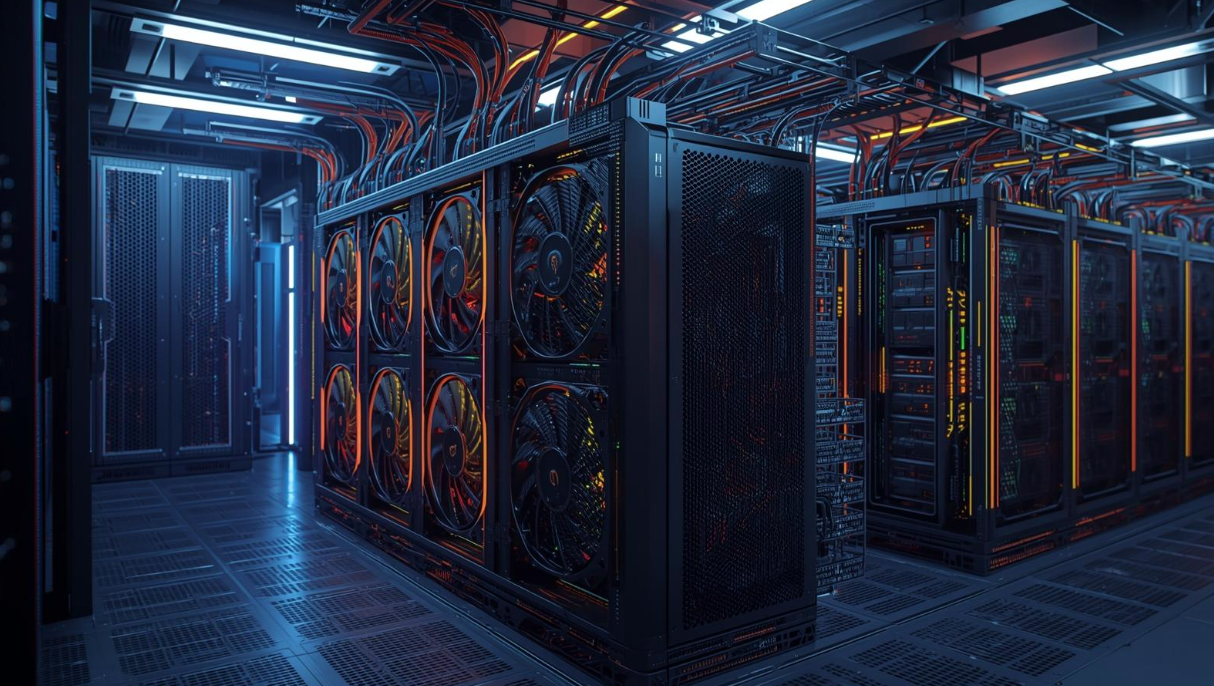
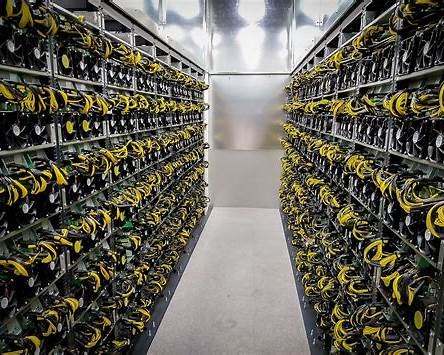
Hosted environments provided the most stable conditions for ASIC miners such as the Antminer S19 Pro, S19j Pro, and S19 XP, all available from BitcoinMinerSales.com. These units rely on high speed guess and check cycles of long numbers to find targets through proof of work, or PoW, and they function best when temperatures stay low and airflow remains direct. Home setups cannot match the controlled conditions of professional hosting centers. As miners looked back on the year, they noticed that machines placed in optimized facilities delivered stronger uptime, lower thermal fluctuations, and fewer operational faults. Hosting and colocation through BitcoinMinerSales.com offered predictable power, structured cooling, and organized rack layouts that eliminated many common issues. The result was a consistent performance pattern reflected across thousands of deployed rigs.
Why Hosted Mining Setups Gained Momentum This Year
Hosted mining setups grew significantly because miners faced increased pressure to activate hardware quickly without compromising performance. Electricity constraints at home, voltage instability, and rising noise levels pushed many miners toward hosting centers. These facilities offered stable power channels, well designed intake aisles, and structured cable management systems. Miners discovered that the conditions inside these centers created a noticeable gap in uptime compared to home installations. Hardware operating in stable temperature zones avoided throttling and maintained continuous PoW cycles without interruption. That stability provided an advantage over unpredictable home environments where heat, dust, and circuit limitations often affected performance.
Another factor involved the increased volume of bulk ASIC orders. Many miners scaled operations by acquiring multiple Antminer or Whatsminer units available from BitcoinMinerSales.com. With larger orders came the need for rapid and synchronized deployment. Hosting centers responded by improving workflow automation. They refined rack mapping systems, added automated configuration tools, and standardized their installation processes. These adjustments supported near instant activation once hardware arrived. Miners noticed that downtime during onboarding decreased, allowing machines to start hashing and generating revenue faster. Faster activation mattered more this year because difficulty changes often limited favorable mining windows. Starting rigs earlier offered an advantage in capturing stronger reward periods before adjustments shifted output.
Hosted mining setups also gained traction due to rising concern over equipment longevity. ASIC miners remain sensitive to temperature swings and inconsistent airflow. Hosting centers maintained stable temperatures that moderated component wear. While no environment eliminates hardware aging, controlled conditions slowed degradation compared to home use. Fans operated at balanced speeds, voltage regulators avoided thermal stress, and chips maintained consistent temperature levels. Miners realized that hosted setups preserved hardware value across the year, which became especially important when planning resale or long term scaling.
How Ready-to-Run Deployments Improved Activation Speed
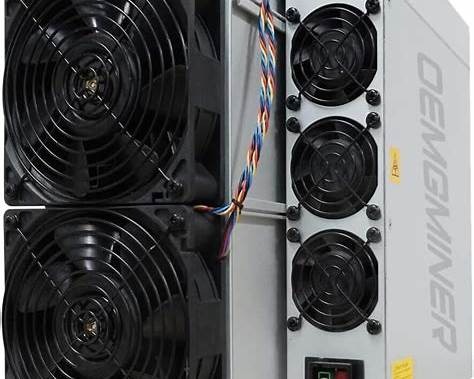

Ready-to-run deployments formed one of the clearest trends in this year’s hosted mining setups review. These systems arrived pre-configured, tested, and prepared for immediate activation inside hosting centers. In previous years, miners often encountered delays caused by firmware mismatches, fan calibration issues, or incorrect pool settings. Ready-to-run hardware removed these obstacles entirely. Units such as the Antminer S19j Pro and Whatsminer M50 models available from BitcoinMinerSales.com came prepared with validated settings and stable firmware versions. Setup staff could install and activate them without manual troubleshooting, reducing activation time and eliminating early operational friction.
Hosting centers embraced ready-to-run units because they simplified workflow planning. When machines operate reliably from the moment they are connected, technicians can process larger batch deployments without slowing the entire activation line. These improvements became essential as facility intake volume increased. Automation tools complemented ready-to-run hardware by assigning network configurations, verifying pool connectivity, and performing initial temperature checks. Machines that passed these checks immediately entered full operation. The reduction in manual steps improved deployment uniformity across entire racks, leading to more predictable performance patterns.
The impact of ready-to-run hardware extended beyond activation speed. Miners reported fewer early restarts, fewer temperature related shutdowns, and fewer connectivity flags. These gains accumulated across months. The entire mining lifecycle benefited from stronger beginnings. By starting rigs at peak stability, miners avoided the compounding issues that often emerge when hardware launches under untested conditions. This year confirmed that ready-to-run deployment is not merely a logistical convenience. It is a performance advantage that shapes the entire operational trajectory of hosted mining setups.
Performance Stability in Controlled Hosting Environments
Hosting centers provided the most stable operating conditions for ASIC mining. These facilities managed airflow through directional intake systems that maintained steady temperatures even when heat loads increased. ASICs such as the S19 XP available from BitcoinMinerSales.com perform best in narrow temperature bands. Controlled environments kept temperatures within that ideal range throughout the year. When machines avoid heat spikes, they maintain consistent PoW cycles, which limits throttling. Those stable cycles transform into predictable share submissions and more regular revenue patterns.
Power reliability became another anchor of hosted mining success. Facilities ran hardware on circuits designed to handle continuous loads at industrial scale. Home environments often lack that capacity. Breakers can trip, voltage levels fluctuate, and thermal buildup can disrupt power distribution. Hosting centers resolved these challenges by using high grade circuits, structured load balancing, and redundant distribution panels. Machines received stable power throughout the year. That reliability reduced PSU strain and helped maintain uniform power draw. Over time, this consistency extended hardware lifespan and prevented unexpected downtime.
Dust control and cleanliness also marked major differences. Home environments often accumulate dust that restricts airflow. Hosting centers used filtration systems and structured airflow paths to minimize dust exposure. Cooler surfaces and clean channels let heat sinks work more efficiently. Fans consumed less power and lasted longer. Combined, these elements contributed to a more predictable operational environment that home setups cannot replicate. For these reasons, hosting and colocation through BitcoinMinerSales.com played a central role in deployment decisions this year.
Instant Deployment and ROI Considerations
The connection between hosted mining setups and ROI became clearer this year. Because electricity pricing remains one of the highest operational expenses, miners calculated returns with precision. Using $0.085 per kWh as the standard for ROI estimates helped create consistent comparisons. Consider an Antminer S19j Pro, available from BitcoinMinerSales.com, which operates near 3050 watts. Running 24 hours per day, it consumes about 73.2 kWh. At $0.085 per kWh, the daily energy cost equals approximately $6.22. When activation delays slow deployment, miners lose potential earnings that could offset these costs. Instant deployment inside hosting environments eliminated those delays.

ROI remains illustrative at $0.085/kWh and must be evaluated against network difficulty, Bitcoin price, uptime, and pool fees. Yet instant activation offers measurable advantages. Realistically, every hour of uptime contributes to improved return potential. Hosted setups ensured that rigs ran consistently from the moment they entered the facility. Because uptime increased and thermal disruptions decreased, miners gained more frequent share submissions. These improvements created small performance edges that grew over months.
It is also worth noting that enterprise clients may qualify for reduced electricity rates, contact BitcoinMinerSales.com. Lower rates further enhance ROI potential for large deployments, although final outcomes still depend on difficulty and uptime stability. Across the year, hosted setups demonstrated that faster deployment and steadier operation translated into improved long term performance.
Lessons Learned From This Year’s Hosted Mining Setups Review
Mining teams, hosting providers, and individual investors gained valuable insights from this year’s hosted mining setups review. One of the strongest lessons involved coordinated scaling. Miners found that batching hardware delivery and using ready-to-run equipment allowed smoother expansion. Coordinated activation schedules helped facilities maintain efficiency and allowed miners to scale without interrupting production.
Another lesson centered on monitoring improvements. Facilities enhanced dashboards with clearer uptime reporting, automated alerts, and real-time performance charts. Miners used these insights to refine strategies, analyze performance trends, and detect anomalies quickly. Better monitoring encouraged more active participation in optimization, even though the hardware resided in hosting facilities.
A third lesson involved strategic diversification. Some miners shifted hardware to hosting environments located in regions with predictable power conditions. This approach insulated them from local power challenges that affected home setups. They discovered that hosting centers delivered consistent results regardless of seasonal weather changes or regional grid stress.
The final lesson emphasized the importance of professional support. Hosting centers handled issues that miners could not easily solve at home. Power cycling, fan replacement, diagnostic testing, and environmental adjustments occurred quickly. The professionalism of these facilities strengthened the overall experience for miners seeking long term reliability.
Conclusion
This year’s hosted mining setups review highlighted rapid deployment, stability, and efficiency as central themes. Ready-to-run rigs provided faster onboarding, while hosting environments supplied consistent temperatures, stable power, and professional oversight. These conditions allowed miners to achieve predictable uptime, smoother scaling, and more reliable performance throughout the year. With increasing competition in proof of work mining and rising complexity in home installations, hosted setups demonstrated their strength as strategic tools for both small and large mining operations. As miners plan the coming year, hosted deployments will remain crucial for achieving steady performance, strong uptime, and long term operational success.
FAQ
1. What made ready-to-run hosted setups popular this year?
They allowed miners to activate hardware quickly with minimal troubleshooting.
2. Why do hosted mining setups offer better stability?
They provide controlled airflow, stable electricity, and professional support.
3. Does hosting improve long term miner health?
Yes. Stable temperatures and clean airflow reduce stress on components.
4. How does instant deployment affect ROI?
Faster activation prevents lost uptime, although ROI remains illustrative at $0.085/kWh.
5. Are hosted setups better for scaling mining operations?
Yes. Hosting centers streamline onboarding and support batch deployments more effectively than home setups.