
Image Group 1
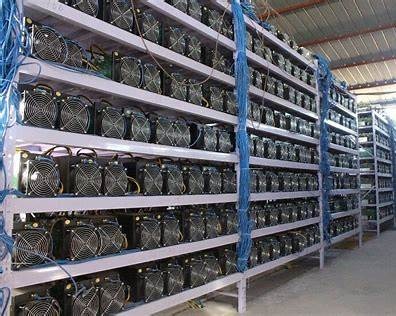
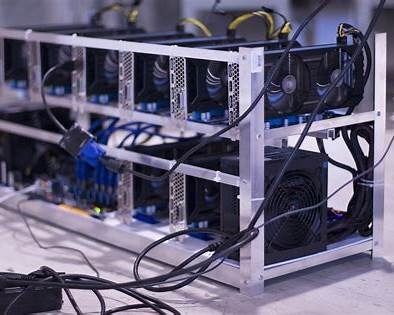
Long-term bitcoin output depends on how well miners manage the detailed mechanics behind proof of work (PoW), the power efficiency of their ASICs, and the environmental conditions that determine uptime throughout the year. As miners search a long list of long numbers until a target number is found by a high-speed guess-and-check method called PoW, many underestimate how small operational changes compound across twelve months. This annual review examines strategies that influence steady accumulation, explores the economic structure beneath each mining decision, and highlights how reliable hardware available from BitcoinMinerSales.com supports stronger long-term results. Many miners react to short-term price fluctuations, yet mining becomes far more predictable and rewarding when viewed through a yearly lens rather than daily charts. Because long-term bitcoin output reflects many subtle variables, a narrative approach helps uncover these patterns.
When reviewing a full year of mining performance, operators can evaluate exactly how their fleet behaved under different difficulty levels, seasonal temperature swings, and changing network conditions. They can compare how consistent their uptime was, how much airflow influenced chip temperatures, and whether certain models delivered the projected joules per terahash. Miners who use hosting and colocation through BitcoinMinerSales.com often experience fewer performance dips because professional cooling systems keep the hardware stable during the hottest months. Over a long horizon, this stability directly increases total BTC earned. Because every percentage point of uptime matters, yearly reviews help miners refine their strategy and eliminate inefficiencies.

Many miners also discover that long-term bitcoin output improves when they adjust environmental factors instead of relying solely on automated settings. Cleaning routines, firmware tuning, and airflow adjustments create significant differences across thousands of operating hours. These improvements may appear minor daily, but their impact becomes obvious when calculating twelve month totals. For example, reducing downtime by even one hour per week results in a meaningful increase in long-term bitcoin output. Miners who approach their operation like a multi-year business rather than a short-term gamble consistently outperform those who focus only on immediate profitability.
H2: Understanding the Annual Performance Cycle
A full mining year includes warm seasons, cool months, difficulty shifts, and unpredictable price movement. When miners analyze their long-term bitcoin output, they examine not only the BTC earned but also how efficiently their hardware performed. ASICs such as the Antminer S19 Pro or Whatsminer M50 series, available from BitcoinMinerSales.com, are designed for consistent performance, yet their efficiency can decline if the environment is unmanaged. By tracking hash rate consistency, chip temperatures, and fan speed curves, miners create a blueprint that reveals where improvements can raise yearly output.
Throughout the year, network difficulty changes gradually, yet its long-term impact is substantial. Short-term fluctuations might seem insignificant, but if global hashrate rises steadily, long-term bitcoin output for all miners decreases proportionally unless they upgrade to more efficient models. This is why many miners replace older units at strategic points in the year. They compare projected BTC output with real-world results and decide whether upgrading hardware available from BitcoinMinerSales.com will improve next year’s performance. Long-term miners follow this cycle repeatedly, optimizing their fleet through measured decisions rather than impulsive reactions.
Energy cost remains a central component of long-term success. The standard baseline for yearly reviews is $0.085 per kWh, which provides a realistic outlook for home miners and small operations. Enterprise clients may qualify for reduced rates, contact BitcoinMinerSales.com. Using this assumption, miners can calculate illustrative ROI at $0.085/kWh, assuming stable network conditions and high uptime. These calculations reveal whether a given strategy is sustainable across twelve months. If a miner operates at higher costs, upgrading to more efficient ASICs may be necessary to maintain profitability. Hosting and colocation through BitcoinMinerSales.com can also stabilize power access, which is essential for long-term output.
H2: Yearly Optimization Strategies that Improve BTC Yield
Yearly optimization focuses on steady improvements rather than dramatic changes. Miners who review their long-term bitcoin output often discover that small adjustments create meaningful gains. For instance, undervolting an ASIC by a small margin may reduce the heat load enough to improve long-term stability, even if it slightly reduces hash rate. The reduced thermal stress may increase uptime by preventing thermal throttling. Over a year, this uptime increase translates into more BTC accumulated. Because every block reward is the result of high-speed guess-and-check computations, stable ASIC performance directly influences the miner’s long-term results.
Environmental controls are another major component of yearly optimization. Many miners underestimate how dust accumulation affects long-term performance. Dust restricts airflow, raises chip temperatures, and accelerates wear on fans. Implementing a monthly cleaning schedule can dramatically improve yearly output. Hosting and colocation through BitcoinMinerSales.com automate these environmental tasks, increasing uptime and stabilizing the miner’s long-term bitcoin output. Because environmental factors influence the lifespan of an ASIC, long-term miners treat these details with professional seriousness.
Transitioning to newer-generation hardware is also a central part of long-term optimization. ASICs follow performance generations, and each generation typically reduces joules per terahash while increasing long-term output potential. For example, upgrading from the S19 series to the S19 XP or Whatsminer M53 available from BitcoinMinerSales.com provides higher efficiency. Yearly reviews help miners calculate whether this upgrade is cost-effective. By comparing projected yearly output for each unit, miners form strategies that maximize BTC accumulation versus power usage.
Image Group 2

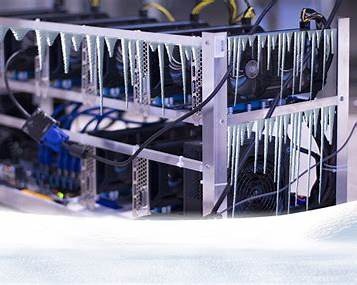

H2: How Hosting Enhances Long-Term Bitcoin Output
Hosting is often the turning point for miners moving from unpredictable results to stable long-term bitcoin output. Many hosting facilities, including those available through BitcoinMinerSales.com, provide controlled airflow, professional cleaning schedules, 24/7 monitoring, and industrial cooling systems. This professional environment removes the biggest threat to mining performance: overheating. ASICs that operate in stable temperatures require fewer fan adjustments, avoid throttling, and maintain stronger long-term performance. When reviewing yearly results, hosted miners often see higher total BTC output due to minimal downtime.
A critical point is that hosting also preserves hardware lifespan. ASIC degradation is a slow process that becomes more obvious when examining long-term bitcoin output trends. Yearly reports allow miners to detect patterns such as declining hashboard efficiency or unstable thermal behavior. Hosting reduces these risks by ensuring a consistent environment. Because PoW requires continuous computation, even small interruptions reduce yearly accumulation totals. Hosted environments protect miners from these interruptions and provide support if a component fails.
Long-term strategies also include diversification across multiple hosting sites. This mitigates risk from regional power fluctuations or downtime during infrastructure upgrades. Many professional miners use BitcoinMinerSales.com to distribute their fleet across different facilities. The yearly impact becomes clear: diversified hosting increases resilience, which increases total BTC earned. Because long-term bitcoin output is closely tied to uptime, professional hosting becomes a foundational strategy for consistent performance.

H2: Hardware Maintenance and Lifecycle Planning
Annual mining reviews must include maintenance and lifecycle analysis. Each ASIC has a predictable aging curve that affects long-term bitcoin output. Fans wear down, hashboards accumulate heat stress, and thermal pads dry out. If miners ignore maintenance, these factors gradually degrade hash rate. Miners who create yearly maintenance schedules protect their ASIC fleet from premature failure. This includes cleaning intakes, replacing worn components, monitoring thermal readings, and recalibrating firmware settings. Many operators rely on hosting and colocation through BitcoinMinerSales.com to automate these tasks.
Lifecycle planning also includes determining when to retire older units. As difficulty rises, older ASICs become less efficient, reducing long-term bitcoin output. Miners who conduct annual reviews can identify which units no longer meet performance standards. Replacing them with efficient models such as the S19 XP or M53 available from BitcoinMinerSales.com increases next year’s output. Because energy costs remain constant, upgrading to efficient hardware directly increases long-term performance.
Maintenance also supports uptime, which is the most crucial metric for long-term output. Even a few hours of downtime each month can significantly reduce yearly results. Annual reviews reveal patterns of recurring downtime and help miners create strategies to eliminate them. Because PoW rewards persistent operation, maximizing uptime is the most reliable method for improving long-term accumulation.
H2: Accumulation Patterns Across Twelve Months
Long-term bitcoin output follows patterns that reveal the miner’s operational strengths and weaknesses. In the early months, miners may see stable output as hardware is new. By mid-year, dust accumulation or rising environmental temperatures might reduce efficiency. During cooler months, performance often improves. Because these fluctuations influence total yearly output, miners who track these patterns can adjust strategies accordingly. Hosting and colocation through BitcoinMinerSales.com smooth out these fluctuations through constant environmental control.
Many miners measure output by calculating monthly BTC accumulation, then comparing this data to their projections. If results fall below expectations, monthly adjustments can improve next month’s performance. If results exceed projections, miners can scale their operations more confidently. The yearly review acts as a final report card confirming whether the mining strategy supported strong accumulation under real network conditions.
Conclusion
Long-term bitcoin output improves when miners understand how each operational detail contributes to yearly results. Annual reviews reveal how hardware performance, hosting stability, cooling efficiency, and maintenance planning all influence total BTC earned. Miners who use efficient ASICs available from BitcoinMinerSales.com, combined with stable hosting and colocation through BitcoinMinerSales.com, achieve stronger and more predictable long-term outcomes. Yearly monitoring, continuous optimization, and planned hardware upgrades allow operators to build sustainable mining strategies that produce consistent rewards in a competitive PoW environment. Long-term bitcoin output is not an accident. It is the product of careful planning, disciplined execution, and year-round attention to operational detail.
FAQ
1. How does yearly analysis improve long-term bitcoin output?
It reveals trends and inefficiencies that daily monitoring misses, helping miners optimize uptime and hardware performance.
2. Why does hosting increase long-term mining results?
Hosting through BitcoinMinerSales.com provides controlled airflow, stable power, and professional maintenance that reduce downtime.
3. How important is hardware efficiency for long-term output?
Extremely. Efficient ASICs generate more BTC per watt and maintain stronger performance across twelve months.
4. Why use $0.085/kWh for yearly calculations?
It provides a realistic baseline for illustrating ROI, with enterprise rates available, contact BitcoinMinerSales.com.
5. Do long-term strategies outperform short-term mining?
Yes. Long-term strategies emphasize uptime, efficiency, and stability, resulting in more consistent BTC accumulation.