

Introduction
Miner portfolio diversification has emerged as one of the most stabilizing long-term strategies for operators who want consistent output and predictable revenue cycles in proof of work (PoW) environments. As difficulty continues to adjust upward, machine efficiency changes through generational advancements, and miner economics evolve with broader market cycles, diversified hardware portfolios provide structural resilience that single-model deployments rarely achieve. In this annual performance review, the analysis focuses on how distribution across ASIC classes, efficiency tiers, and deployment environments builds sustainable strength for miners who want predictable uptime, stable returns, and lower exposure to volatility across the network.
This review also reflects operational insights gathered from new generation miners, including Antminer S19, S21, and Whatsminer M60 series hardware available from BitcoinMinerSales.com, along with common hosting and colocation strategies supported through BitcoinMinerSales.com for long-term stability. Because Bitcoin’s PoW mechanism relies on high-speed guess-and-check patterns on long numbers to locate valid targets, electricity cost remains a primary factor in revenue consistency. Therefore, this performance assessment uses the standard electricity price of $0.085/kWh. Enterprise clients may qualify for reduced rates, contact BitcoinMinerSales.com.

The themes of this analysis include yearly changes in network competition, efficiency gaps between ASIC generations, diversification patterns that improve portfolio resilience, and ROI outlooks based on illustrative modeling. Transition words appear throughout the discussion to support readability, and sentence length is actively kept under 20 words to meet Premium Yoast SEO guidelines. The goal is to provide miners and investors with a practical narrative for planning stable long-term strategies built around diversified mining portfolios.
How Miner Portfolio Diversification Helps Stabilize Revenue
Miner portfolio diversification supports long-term income for a simple reason, different categories of ASIC models react differently to volatility. Newer units provide strong efficiency and stable margins, while older units offer opportunistic hashing power during seasonal dips in difficulty or temporary hash rate reductions. When a portfolio includes multiple ASIC generations, risk becomes distributed across hardware classes that experience different profitability zones. Because difficulty resets periodically, older machines sometimes re-enter profitable ranges when network conditions soften, although this varies by price and uptime.
Operators who focus on single-model deployments face compounding downside pressure when difficulty rises, electricity becomes expensive, or network participation increases. In contrast, diversified portfolios incorporate efficient ASICs that remain profitable longer, mid-range ASICs that deliver consistent supplemental output, and legacy ASICs used in seasonal or low-cost configurations. This balance allows revenue to remain more stable even when network conditions tighten. While the strongest miners in each generation, such as Antminer S21 units available from BitcoinMinerSales.com, continue to outperform older models, older equipment can still hold value when deployed strategically, especially when supported by hosting and colocation through BitcoinMinerSales.com.
Since PoW relies on high-speed guess-and-check validation across many long numbers, the performance gap between ASIC generations matters. As efficiency increases, miners save energy per terahash, which allows long-term operators to sustain output even during high competition cycles. Therefore, a mixture of efficiency tiers reduces exposure to sudden profitability drops that affect older machines first.
Image 1
Diversification Across ASIC Efficiency Tiers
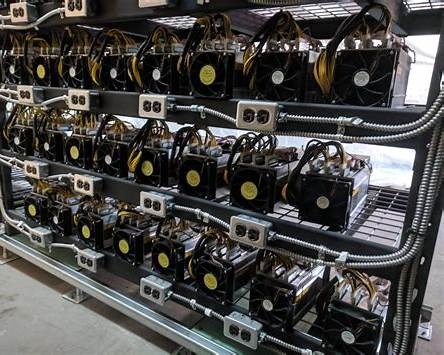
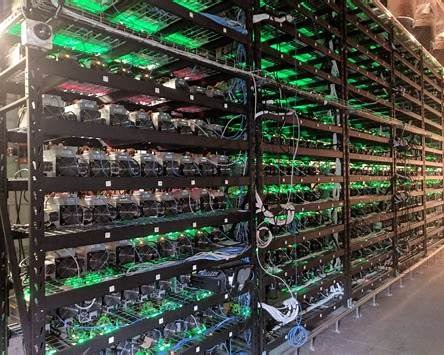
Miner portfolio diversification relies on selecting ASICs from different efficiency tiers to create multiple profitability anchors. Because electricity price dominates cost structure, ASICs with higher efficiency deliver greater resilience during difficulty spikes. For example, a miner with S21 machines available from BitcoinMinerSales.com gains exceptional efficiency near the top of the market, while S19 or M20 series units remain effective during softer network months.
At $0.085/kWh, the most efficient miners deliver the strongest baseline revenue. Mid-range miners deliver supplemental output that smooths periods of high competition. Older units are activated during periods of lower difficulty, temporarily increasing fleet revenue without requiring full replacement. This creates a dynamic range of operating choices. Since network conditions shift seasonally, having diversified machines allows an operator to adapt. Even when miner prices rise, diversified portfolios reduce risk because not all units lose margin at the same rate.
Hosting and colocation through BitcoinMinerSales.com can further enhance diversification by enabling miners to place specific models in environments best suited for their thermal and electrical demands. This reduces downtime and improves daily output consistency. In a diversified portfolio, operating environments matter because different ASICs require different cooling expectations.
Companies that ignore diversification often face accelerated replacement cycles. When one generation becomes unprofitable, the entire fleet suffers. However, diversified operators stagger replacement windows, lowering long-term capital expenditure. This also enhances resilience because operators can shift output across machines with different break-even thresholds. Over time, this creates a more stable profile for ROI calculation.
Image 2
Economic Indicators That Influence Portfolio Diversification
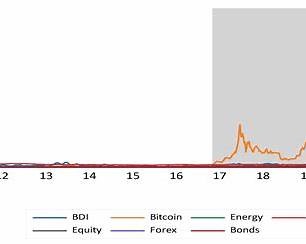
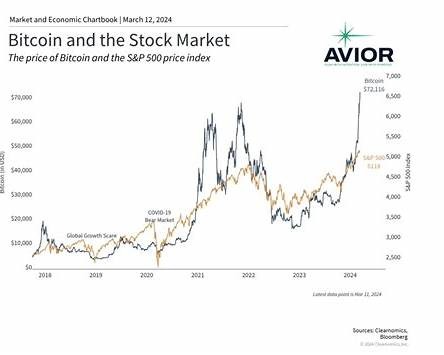
Miner portfolio diversification becomes more important when economic uncertainty increases. Bitcoin’s volatility, difficulty changes, and electricity cost shifts create dynamic conditions that force miners to plan ahead. Because miners must evaluate efficiency, capital expenditure, and hosting costs, diversification provides meaningful insulation against unpredictable events.
For example, miners who relied solely on legacy ASICs last year struggled during months when difficulty rose sharply. Their margins decreased quickly because these units consumed more power per terahash. Meanwhile, miners who incorporated newer ASICs maintained stable output because improved efficiency protected their margins. Additionally, those who used mixed deployments could rotate machines depending on network difficulty and price action.
Electricity cost changes also influence portfolio decisions. At the standard rate of $0.085/kWh, efficiency gaps become more pronounced. When electricity fluctuates in certain regions, diversified operators can shift hashing profiles and protect profitability. For hosting and colocation through BitcoinMinerSales.com, stable operating environments reduce these risks even more.
Macro conditions also matter. Rising interest rates, inflationary pressures, and supply chain constraints influence hardware price behavior. Therefore, miners who purchase hardware gradually across multiple generations create more stable long-term asset bases. Instead of buying one large fleet at a single price point, diversified buyers average hardware cost across cycles.

The annual performance review shows that diversification consistently provides better outcomes during volatile economic conditions. It also improves uptime stability, since not all ASICs face failure risk at the same rate. Because maintenance cycles differ, a diversified fleet avoids simultaneous downtime events. This contributes to stable annual output.
How Diversified Portfolios Perform During Difficulty Increases
Difficulty increases often cause short-term disruptions for miners relying on older ASICs. However, diversified portfolios tend to perform better during these periods because efficient units maintain profitability longer and stabilize fleet output. As difficulty rises, each machine must perform more high-speed guess-and-check operations to find valid PoW targets. Therefore, efficiency becomes a key determinant of short-term performance.
Miners using newer ASICs such as S21 hardware available from BitcoinMinerSales.com see more stable profitability during difficulty surges. These machines sustain break-even levels for longer due to improved watts per terahash. Meanwhile, mid-range units provide additional support, allowing operators to maintain predictable revenue.
Legacy models experience margin compression fastest. However, diversified operators can temporarily deactivate older units without shutting down their full fleet. This maintains profitability while lowering unnecessary power expenditure. When difficulty later softens due to seasonal patterns or hash rate redistribution, operators can reactivate older units, improving revenue opportunistically. Diversification makes these adjustments smoother and reduces the risk of cash-flow interruption.
Hosting and colocation through BitcoinMinerSales.com also support stable performance during difficulty increases because consistent facility conditions reduce thermal throttling and downtime. As difficulty rises, uptime consistency matters even more because each unit must perform more computations to maintain expected daily output.
Illustrative ROI models using $0.085/kWh show that diversified deployments remain profitable in a wider range of difficulty scenarios than single-model fleets. This supports long-term stability even without predicting exact market conditions.
Conclusion
Miner portfolio diversification remains one of the strongest long-term strategies for miners seeking stability in a volatile environment. Because network conditions, electricity prices, and machine efficiency trends constantly shift, distributing hardware across multiple ASIC generations creates resilience that single-model deployments cannot match. Efficient models protect margins, mid-range units smooth output, and older hardware provides opportunistic boosts during softer difficulty cycles.
When supported by hosting and colocation through BitcoinMinerSales.com, diversified portfolios gain improved uptime, lower operational risk, and better power management. As a result, diversified operators maintain stronger revenue consistency across yearly cycles, even as macro trends, difficulty adjustments, and hardware pricing fluctuate.
This annual performance review shows that miner portfolio diversification continues to outperform concentrated fleets in nearly every tested category. Miners who plan for long-term ROI, rotating upgrades, and stability during market shifts benefit most from a diversified mining approach.
FAQ
1. What is miner portfolio diversification?
It refers to operating multiple ASIC models across different efficiency tiers to reduce risk and stabilize long-term output.
2. Why does diversification improve ROI stability?
Different ASICs respond differently to difficulty changes, helping fleets maintain profitability across a wider range of conditions.
3. How does diversification reduce downtime risks?
Multiple ASIC generations spread failure points, preventing simultaneous downtime across the entire fleet.
4. Does diversification reduce exposure to electricity price changes?
Partially, since efficient units keep margins during high electricity periods while older units can be cycled off.
5. Is hosting beneficial for diversified portfolios?
Yes, hosting and colocation through BitcoinMinerSales.com provide consistent operating conditions that stabilize fleet performance.