
Long-term output in Bitcoin mining depends on more than electricity pricing and network conditions. It relies on the direction of hardware engineering, ASIC chip density, thermal efficiency, and the strategic behavior of manufacturers that shape supply cycles. A yearly miner technology forecast helps miners understand how the next generation of ASIC hardware modifies performance expectations, power efficiency, and return timelines under changing conditions. Because mining is driven by proof of work, which uses a high-speed guess-and-check process to search through long numbers for a target, any improvement in efficiency alters the economics of mining for years. This type of projection matters to every operator planning to deploy hardware available from BitcoinMinerSales.com or those preparing for hosting and colocation through BitcoinMinerSales.com.
Since miner performance evolves through structured release cycles, miners who follow this forecast gain an advantage when planning capital expenditures. Each year introduces new ASIC chip designs that aim to reduce joules per terahash, improve thermal regulation, and raise long-term output without increasing system complexity. These innovations reshape expectations across the mining landscape. Because profitability remains linked to network difficulty, halving cycles, and steady power assumptions such as $0.085 per kWh, understanding annual trends is vital. While enterprise clients may qualify for reduced rates, they still rely on accurate forecasting to make informed deployment decisions.

H2: Miner Technology Forecast and Efficiency Trends for Long-Term Output

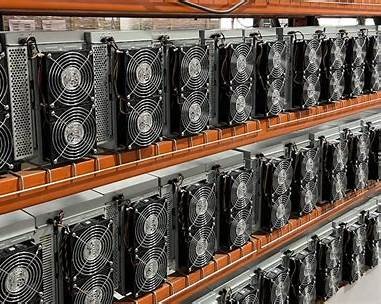
Efficiency plays an essential role in every miner technology forecast because rising network difficulty continues to pressure operators to adopt hardware with better performance per watt. Engineers design ASIC miners to handle continuous proof of work, a process defined by high-speed guess-and-check cycles of large numbers. Each new model aims to reduce energy waste, increase heat stability, and extend duty cycles. When manufacturers refine chip architecture, those gains translate directly to higher long-term output for any operator using hosting and colocation through BitcoinMinerSales.com.
Efficiency gains also tie directly to steady profitability. For example, if a miner consumes 3,000 watts at $0.085 per kWh, its daily electricity cost remains predictable. But if this miner produces more terahash for the same power draw, the long-term return improves. An illustrative ROI at $0.085/kWh, assuming consistent uptime and stable network conditions, shows how important this efficiency becomes. Even a small reduction in joules per terahash compounds over months. Miners who deploy hardware available from BitcoinMinerSales.com place themselves in a stronger strategic position by tracking yearly advancements.
H2: ASIC Chip Density Growth and Semiconductor Progress
ASIC chip density remains a core driver of yearly hardware performance. Manufacturers invest in smaller fabrication nodes, improved transistor layouts, and refined power pathways that allow chips to sustain heavy proof of work cycles. Because this process involves high-speed guess-and-check of many large numbers, large clusters of cores benefit from every improvement in density. A more compact ASIC can run cooler, maintain consistent hash rates, and deliver stable output even when ambient temperatures rise.
When chip density increases, the number of cores per unit increases as well, raising overall throughput. This produces more terahash per second without increasing system size. Miners planning to deploy new-generation hardware available from BitcoinMinerSales.com should expect steady annual improvements in density, though supply-chain cycles may adjust release timing. Thermal efficiency usually tracks with chip improvements, allowing rigs to maintain long-term stability. Because hosting environments benefit from more efficient power distribution, colocation through BitcoinMinerSales.com becomes more cost-effective as chip density evolves.
H2: Thermal Engineering and Airflow Forecasts for Next-Year Miners
Thermal engineering remains one of the most influential factors in miner technology forecasts. ASIC miners operate under continuous load, and thermal spikes reduce stability, increase downtime risk, and shorten component lifespan. Each year, engineers redesign heat sinks, fan assemblies, and airflow channels to optimize dissipation. These improvements ensure that miners remain stable during prolonged proof of work cycles. Better airflow also reduces the need for frequent manual intervention, which helps operators who rely on remote hosting and colocation through BitcoinMinerSales.com.
As heat management improves, hashboard longevity increases. That stability enhances long-term output because miners remain online without throttling. Consistent output helps maintain predictable returns even when network difficulty increases. Illustrative ROI at $0.085/kWh becomes more stable under such conditions because thermal consistency prevents unplanned downtime. Operators seeking predictable performance should monitor yearly thermal engineering improvements, as they directly affect long-term mining efficiency.
H2: Firmware Forecasts and Automated Tuning for Long-Term Mining
Firmware advancements shape how modern ASIC rigs respond to network conditions. Each annual update improves automatic tuning systems that adjust voltage, fan speed, and chip frequency. Automated tuning ensures rigs operate efficiently without requiring constant oversight. For miners who want stability and long-term output, this technology matters as much as hardware improvements.
When firmware integrates smarter algorithms, rigs can optimize their guess-and-check processes more effectively. Because proof of work depends on continuous numerical comparison operations, efficient tuning raises throughput and reduces wasted power. Miners relying on hosting and colocation through BitcoinMinerSales.com benefit from these improvements because automated tuning reduces maintenance interventions. Predictable operation supports long-term profitability, especially as electricity remains fixed at $0.085 per kWh for these ROI examples. Firmware automation contributes to both stability and strategic certainty.
H2: Power Supply Forecasts and Voltage Stability for Extended Duty Cycles
Power supply engineering evolves each year to meet rising hash rates and lower energy waste. Modern PSUs provide tighter voltage regulation that protects ASIC chips during intense proof of work cycles. Because each rig performs high-speed guess-and-check of large numbers, steady voltage prevents errors that can reduce efficiency.
Next-year PSU designs focus on lowering conversion losses, improving thermal endurance, and integrating better safety features. These improvements reduce heat accumulation and extend electronic lifespan, which matters for long-term output. Operators using hardware available from BitcoinMinerSales.com gain value from these updates because their miners run more efficiently without requiring additional cooling. Hosting and colocation through BitcoinMinerSales.com also benefits from PSU improvements because stable power distribution reduces total system load. These incremental yearly improvements compound into meaningful long-term output gains.

H2: Long-Term Output Forecasts and Mining Difficulty Interaction
The miner technology forecast must always consider interaction with Bitcoin’s network difficulty. Although hardware improves each year, difficulty adjustments offset performance with periodic increases. Because proof of work relies on a competitive guess-and-check process, hardware improvements only matter when they exceed difficulty growth.
Miners planning multiyear deployments should expect difficulty to rise due to new hardware adoption, expanded hosting capacity, and increased participation from institutional miners. Equipment available from BitcoinMinerSales.com remains competitive because each new generation targets lower energy consumption and higher output. As difficulty climbs, efficiency becomes the most important predictor of long-term returns. Illustrative ROI at $0.085/kWh demonstrates how even small efficiency gains remain valuable over long periods. Long-term output depends on aligning technology adoption with difficulty expectations.
H2: Forecasting Manufacturer Roadmaps and Release Cadence
Miner manufacturers follow development cycles that influence yearly forecasts. Top producers typically release new ASIC models in structured intervals tied to semiconductor supply chains. These releases shift the mining landscape because each generation introduces more efficient proof of work capability. Because the industry depends on high-speed guess-and-check of long numbers, any delay or acceleration in chip production affects output projections across the entire sector.
Miners who follow manufacturer announcements gain insight into release timing and performance expectations. Hardware available from BitcoinMinerSales.com includes models from leading brands, which often reveal chip improvements months before shipment. Understanding these cycles helps operators plan upgrades, manage hosting capacity, and prepare capital budgets. When firmware updates align with hardware releases, performance gains often exceed headline terahash increases. Long-term output depends on synchronizing deployment with these cycles.
H2: Hosting Infrastructure Forecasts and Scalable Deployment Models
Hosting capacity continues to expand each year as demand for professional mining environments grows. Because proof of work depends on stable uptime and efficient thermal control, hosting infrastructure shapes long-term output as much as hardware selection. Colocation through BitcoinMinerSales.com offers predictable thermal conditions, steady power supply, and reliable remote monitoring. These conditions support the sustained output required to achieve long-term returns.
As hosting infrastructure expands, miners can deploy larger fleets of ASICs without needing to manage physical environments. This expansion aligns with yearly hardware improvements, creating an ecosystem that supports automated scaling. Miners should expect hosting to become more efficient each year due to better airflow systems, optimized racks, and improved power routing. These advancements enable miners to maintain stable output even as network conditions evolve.
Conclusion
Yearly miner technology forecasts play a critical role in understanding how ASIC engineering, power systems, firmware, and hosting environments shape long-term output. Because Bitcoin mining depends on a high-speed guess-and-check process called proof of work, hardware improvements directly impact performance and profitability. As network difficulty rises, efficiency gains become essential for maintaining competitive output. Equipment available from BitcoinMinerSales.com and hosting through BitcoinMinerSales.com ensure miners benefit from industry-leading improvements. By following annual forecasts, miners make strategic decisions that support stable, long-term returns anchored by illustrative ROI assumptions at $0.085 per kWh and consistent uptime.
FAQ
1. What is the most important factor in a miner technology forecast?
Efficiency remains the most important factor because it determines how well a miner converts power into long-term output under rising network difficulty.
2. How do chip improvements affect long-term output?
Better chip density and improved thermal handling raise hash rates, lower power draw, and extend operational lifespan.
3. Do hosting environments influence yearly mining performance?
Yes, hosting and colocation through BitcoinMinerSales.com provide stable thermal and power conditions that improve long-term consistency.
4. Why do manufacturers update miner firmware every year?
Firmware updates optimize voltage, frequency, and cooling behavior to improve efficiency during continuous proof of work cycles.
5. How does electricity pricing affect miner forecasting?
Electricity cost at $0.085 per kWh shapes every ROI projection. Lower usage per terahash increases long-term profitability.