
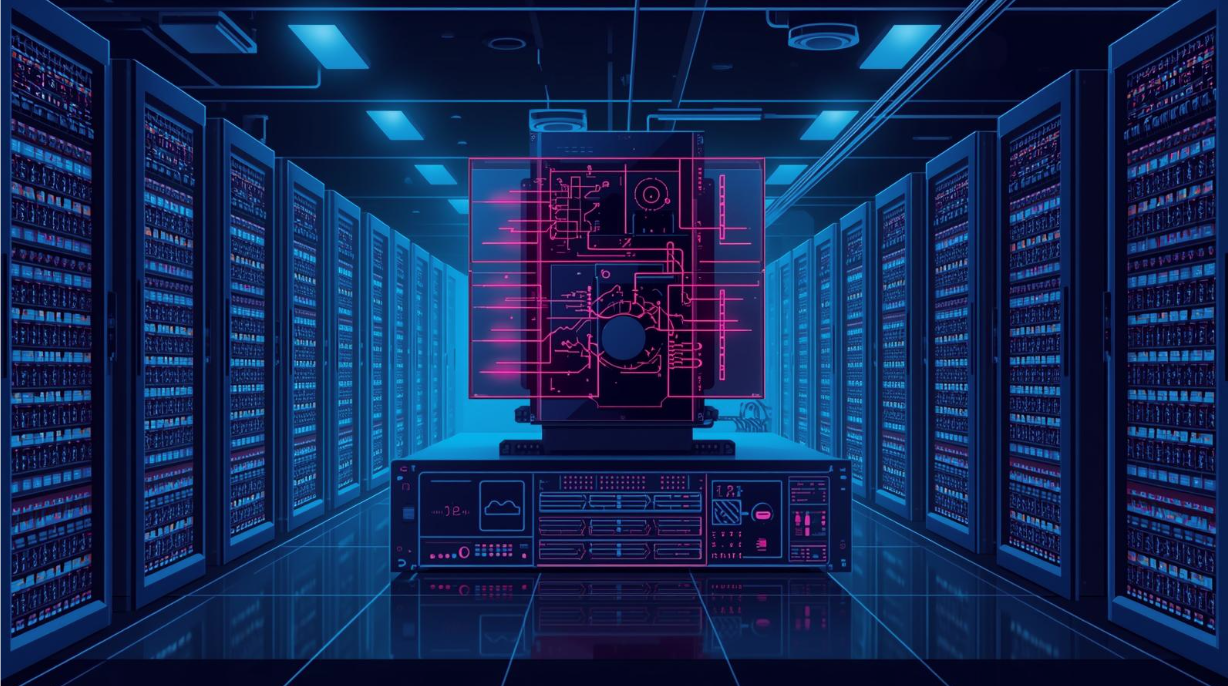
Mining as a Service continues to evolve into one of the most influential operating models in the digital asset infrastructure sector because it offers predictable uptime, stable cooling, and streamlined deployment without requiring users to manage onsite equipment. Over the past year, both individual miners and institutional buyers shifted away from home based setups toward hosted environments. This trend accelerated due to rising network difficulty, limited residential power capacity, and the increasing heat output of modern ASIC hardware such as the Antminer S19 series available from BitcoinMinerSales.com. Mining as a Service facilities are designed to handle the thermal and electrical demands that home environments cannot support. As a result, adoption expanded steadily across small scale investors, mid size operations, and corporate mining groups seeking consistent energy rates, stable uptime, and reduced operational overhead.
During the last twelve months, operators emphasized reliability more than ever before. Residential miners faced challenges related to rising electricity costs, room heat saturation, and noise complaints. Mining as a Service operations reduce these problems by relocating equipment to controlled colocation environments. These facilities maintain consistent temperatures, structured airflow, and high capacity electrical distribution systems optimized for ASIC performance during proof of work (PoW) high speed guess and check processes. Investors recognized that stability directly influences long term ROI because downtime at $0.085 per kWh creates immediate losses. With network difficulty trending upward, maintaining uninterrupted uptime became one of the most valuable features of the Mining as a Service model. Adoption grew not because home mining declined, but because hosted environments provided a scalable path forward.
The Market Forces Driving Mining-as-a-Service Expansion
Several market forces shaped the expansion of Mining as a Service over the past year. First, the increasing energy demands of modern ASIC hardware created operational barriers for home miners. Units such as the Antminer S19j Pro and S19 XP, available from BitcoinMinerSales.com, require stable 240V electrical supply, steady intake temperatures, and rapid heat removal capabilities. Home environments rarely maintain these conditions. Mining as a Service providers operate in regions with favorable energy profiles, strong grid connectivity, and industrial scale cooling systems that reduce thermal strain. As a result, miners experience longer hardware lifespan, reduced maintenance cycles, and significantly fewer shutdown events caused by local temperature spikes. The demand for predictable environmental conditions became one of the main market drivers pushing miners toward colocation facilities.
Second, increasing institutional involvement changed both expectations and industry standards. Institutions prefer predictable energy billing models, reliable maintenance, and clear performance metrics. Mining as a Service operators meet these needs by centralizing deployment and offering dashboards, status monitoring, and facility oversight. This structure appeals to long term investors who cannot justify the labor and operational burden of managing dozens or hundreds of units internally. During the last twelve months, institutional adoption increased consistently because Mining as a Service aligns with operational risk management strategies used by professional infrastructure investors.
Finally, global supply chain stability improved, and hardware sourcing through platforms such as BitcoinMinerSales.com simplified entry into the mining sector. New miners purchased equipment and shipped directly to hosting sites without needing local installation. This accelerated adoption because the entire onboarding process became more efficient. Growth occurred not only because individuals adopted the model, but because the overall mining ecosystem matured.
Energy Efficiency Trends Influencing Hosting Adoption
Energy efficiency shaped Mining as a Service adoption because rising electricity rates impacted home miners significantly. At the illustrative $0.085 per kWh benchmark, operators recognized that cooling inefficiencies and downtime reduce ROI faster than network difficulty adjustments. Mining as a Service facilities operate in industrial zones with engineered airflow that maintains optimal temperatures at scale. This improves efficiency because ASICs operate in a stable thermal envelope. Lower ambient temperatures reduce fan RPM and prevent thermal throttling during PoW high speed guess and check cycles. Stable intake air ensures that each miner completes workloads consistently without strain. These environmental advantages directly influence ROI calculations, especially for miners operating high capacity ASIC fleets.
Energy efficiency also extends to structured facility design. Hosting environments separate cold intake aisles from hot exhaust aisles, allowing exhaust air to be removed efficiently. This architectural separation increases cooling effectiveness while reducing energy waste. Home miners cannot replicate these conditions without extensive modifications. As more operators recognized that heat saturation increases electricity costs, hosting facilities became a natural alternative. Enterprise clients may qualify for reduced rates depending on scale and contract terms, contact BitcoinMinerSales.com for details. These advantages made Mining as a Service one of the most stable and energy efficient structures in the mining ecosystem.
Infrastructure Improvements Supporting Mining-as-a-Service Growth
Infrastructure development across hosting facilities played a critical role in annual Mining as a Service expansion. Facilities have integrated higher tier electrical distribution systems that reduce downtime risk and support dense rack layouts. Operators implemented redundant fiber lines for continuous pool connectivity, ensuring uninterrupted share submission. These upgrades significantly improved reliability metrics. Stable network conditions matter because downtime affects revenue at all difficulty levels. A miner that loses connectivity continues PoW high speed guess and check activity internally but cannot submit results to the pool during outages. Mining as a Service providers address this problem by using redundancy strategies that home miners cannot replicate.
Cooling technology also improved. Hosting sites now employ larger exhaust systems, advanced intake filtration, and higher airflow volume fans that maintain consistent internal temperatures. This improved cooling capacity allowed facilities to integrate newer ASIC generations without sacrificing temperature stability. Hardware available from BitcoinMinerSales.com performs best in environments with predictable airflow. The infrastructure maturity observed this year has been one of the strongest indicators that Mining as a Service will continue to develop and attract long term investment.
Security enhancements also shaped growth. Facilities implemented biometric access controls, surveillance systems, and automated monitoring platforms to protect hardware and maintain operational integrity. Institutional investors increasingly demand these protections. Trust in colocation environments improved as facility standards became highly regulated and commercially recognized. This trend is expected to continue next year as more miners prioritize both performance and security.
Economic Shifts and the ROI Impact of Hosted Mining
Mining economics shifted notably over the last twelve months. Difficulty adjustments increased steadily, requiring miners to maintain full uptime to remain competitive. Hosted environments help operators maximize uptime because hardware runs under consistent conditions. Illustrative ROI at $0.085 per kWh improved significantly for miners who moved from home environments to hosting. The main reason is that home miners experience downtime from heat saturation, tripped breakers, and noise constraints. Hosting eliminates these disruptions because environmental and electrical conditions remain stable.
In addition, the consolidation of hosting markets improved contract transparency. Operators now receive cost breakdowns that include power, maintenance, and monitoring. These structures allow miners to model ROI accurately. Hosting through BitcoinMinerSales.com streamlined the onboarding workflow by allowing customers to source hardware and deploy directly to the facility. This reduced time to operation and improved return timelines. Investors noted that the reliability of hosted mining creates a cost structure that is easier to manage. As economic forecasting became more important during market fluctuations, Mining as a Service grew in adoption among operators who wanted predictable cost exposure.

The adoption trend aligns with broader infrastructure investment patterns seen across data center and cloud industries. As digital asset mining becomes more professionalized, scalable hosting becomes the preferred architecture. The economic case for Mining as a Service strengthened because it delivers improved uptime, predictable power structures, reduced environmental risk, and consistent operational oversight.
Consumer Behavior Shifts in the Mining Ecosystem
Consumer behavior changed significantly this year as miners learned more about the long term operational costs associated with home mining. New operators initially purchased ASICs for in home use because they believed they would maintain direct control and reduce hosting fees. However, heat buildup, noise, and limited electrical capacity quickly caused frustration. Home mining also produced hidden costs, including increased HVAC usage, uncomfortable living conditions, and time spent troubleshooting. These experiences pushed many new miners toward Mining as a Service solutions.
As more individuals shared their hosting experiences online, a perception shift occurred. Miners realized that colocation environments do not remove control. Instead, they provide structured oversight while allowing owners to monitor their hardware remotely. Facilities connected to BitcoinMinerSales.com offer dashboards, temperature monitoring, and ticket based support systems. This transparency helped first time miners feel comfortable outsourcing the physical operation of their hardware. Many miners adopted a hybrid approach where they learn the basics at home using a small unit, then transition to hosted environments as they scale.
The consumer shift also aligned with new ASIC releases. Higher density efficiency models required more precise cooling, encouraging operators to adopt professional hosting early in the hardware cycle. This behavioral trend supported the overall growth of Mining as a Service usage across all operator tiers.
The Long-Term Outlook for Mining-as-a-Service Growth
The long term outlook for Mining as a Service remains strong because the model solves fundamental challenges associated with heat, electrical load, and operational uptime. The upcoming hardware cycle will introduce higher efficiency chips, yet these devices will still require strong airflow and stable power to achieve full performance. As global mining conditions evolve, hosted environments will provide the stability necessary for competitive operation. Industrial scale hosting gives miners the ability to scale predictably, adjust capacity quickly, and maintain strong uptime across market cycles.
Industry analysts expect Mining as a Service adoption to increase further as network difficulty continues rising. Home mining becomes less practical each year because modern ASICs demand industrial conditions. Hosting through BitcoinMinerSales.com gives miners access to professionally managed environments built specifically for ASIC fleets. The ability to source hardware, deploy rapidly, and maintain predictable operational structures will continue driving the sector’s growth. As the market matures, Mining as a Service will likely become the dominant method for both retail and institutional mining operations.
Conclusion
Mining as a Service experienced strong growth and widespread adoption over the past year due to improved infrastructure, rising network difficulty, and increased emphasis on operational stability. Hosted environments provide superior airflow, consistent power, and uninterrupted network connectivity. These advantages allow ASIC miners to perform at full capability during proof of work high speed guess and check operations. As energy prices increase and home mining challenges become more significant, more operators shift toward hosting and colocation through BitcoinMinerSales.com. The long term trajectory for Mining as a Service remains positive because it aligns with the evolving demands of the mining sector. It provides scalability, efficiency, and predictable performance in an industry where consistent uptime directly influences ROI. With both institutional and retail miners embracing this model, the coming year is positioned for continued expansion across global hosting markets.
FAQ
1. Why is Mining as a Service growing so quickly?
It provides stable cooling, consistent power, and predictable uptime that home environments cannot match.
2. How does hosting improve ROI?
Uptime increases, heat issues disappear, and electricity becomes more predictable, improving illustrative ROI at $0.085/kWh.
3. What types of miners benefit most from hosting?
High wattage ASICs such as the S19 series available from BitcoinMinerSales.com benefit most due to thermal demands.
4. Do hosting facilities improve energy efficiency?
Yes. Industrial airflow systems reduce thermal strain and allow miners to operate at optimal temperatures.
5. Is hosting better for long term scalability?
Yes. Hosting and colocation through BitcoinMinerSales.com support large fleets and provide professional oversight for long term growth.