
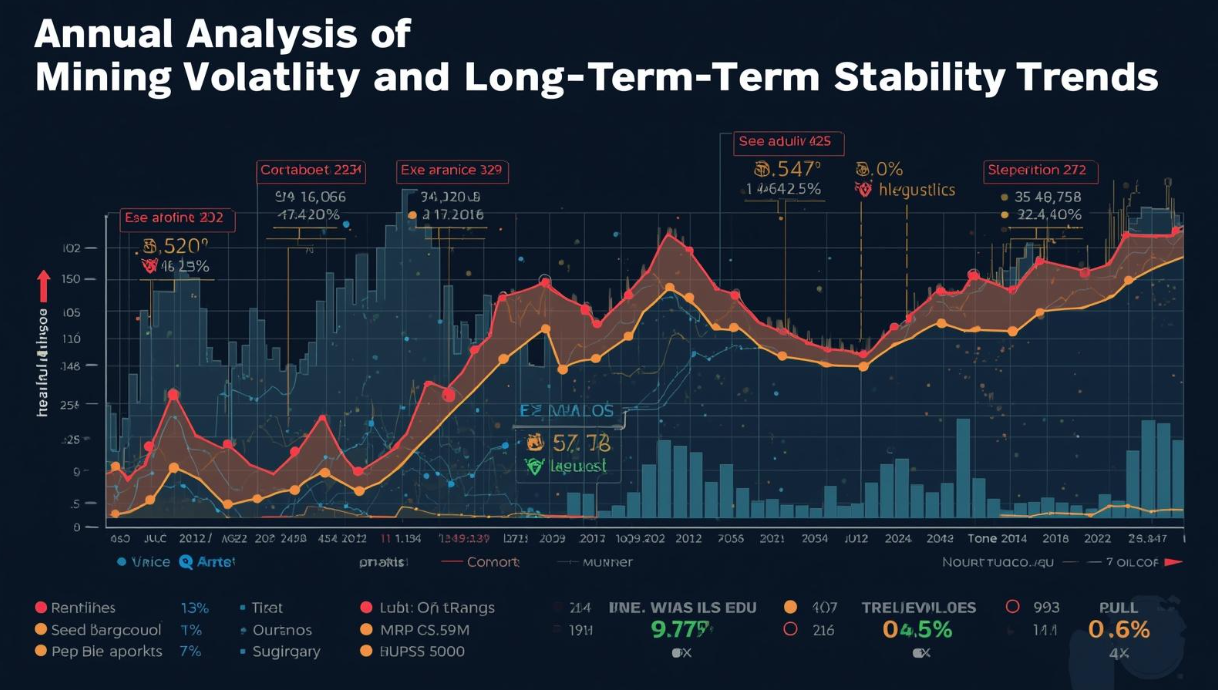
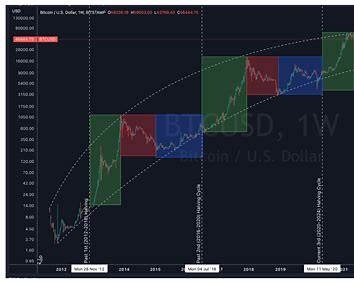
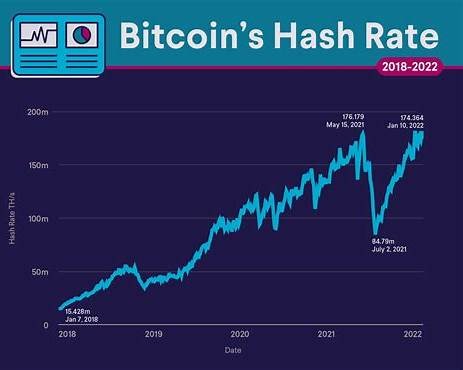

The relationship between mining volatility and long-term stability plays a defining role in how miners evaluate hardware performance, hosting strategies, and ROI expectations. Mining operates on proof of work, a high-speed guess-and-check method where ASIC miners search long lists of large numbers to find a target value. Because this system depends on continuous processing, any fluctuation in network difficulty, hash rate distribution, transaction fee cycles, or energy pricing patterns directly influences daily returns. A complete annual analysis of mining volatility gives miners insight into patterns that develop across the year, allowing them to make realistic decisions when deploying hardware available from BitcoinMinerSales.com or preparing hosting and colocation plans through BitcoinMinerSales.com.
Volatility comes from multiple sources such as global energy pricing, seasonal demand for electricity, periodic hardware releases, and shifting miner participation. As these conditions evolve, operators must determine how to maintain long-term stability despite short-term fluctuations. This requires an understanding of how ASIC performance reacts to high temperatures, network spikes, fee booms, and difficulty corrections. Examining these conditions over a full year helps miners plan hardware strategies that optimize sustainability. Even when difficulty rises sharply, efficient rigs operating at $0.085/kWh maintain predictable output. This ROI is illustrative at $0.085/kWh, assuming consistent uptime and stable network conditions, though enterprise clients may qualify for reduced rates when contacting BitcoinMinerSales.com.

H2: Mining Volatility Analysis and Long-Term Stability Trends
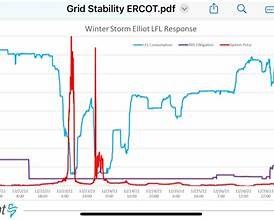
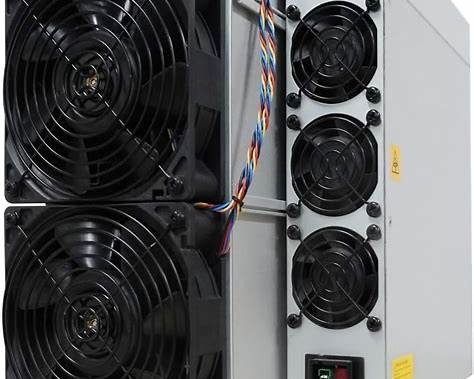
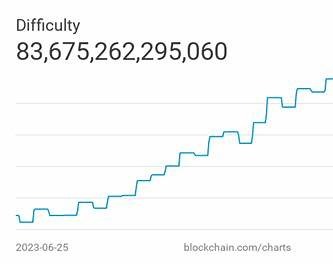
Mining volatility analysis begins with examining how difficulty changes throughout the year. Since Bitcoin mining relies on a competitive guess-and-check process, any increase in total network hash rate raises difficulty and affects miner output. Seasonal patterns often appear, driven by shifts in energy prices or new ASIC hardware releases. When miners add large amounts of hash power, difficulty rises weeks later. This creates volatility in expected rewards, especially for miners operating older models.
To maintain long-term stability, many operators adopt newer ASICs available from BitcoinMinerSales.com because these machines offer improved efficiency and lower joules per terahash. Efficiency improvements soften the impact of rising difficulty because they deliver more output per watt. Hosting and colocation through BitcoinMinerSales.com also reduces volatility by ensuring stable power supply, controlled airflow, and reliable uptime. These controlled conditions help buffer short-term fluctuations that occur during network spikes. With consistent performance, miners can rely on predictable long-term returns anchored by stable electricity costs like $0.085/kWh for illustrative ROI calculations.
H2: ASIC Hardware Release Cycles and Market Volatility
Every year, ASIC manufacturers introduce new models that shift the mining landscape. These releases often cause temporary instability as miners rush to adopt improved technology. Because proof of work requires continuous high-speed guess-and-check processing, any model offering better efficiency rapidly gains adoption. When large mining firms deploy thousands of units, network hash rate climbs, difficulty adjusts upward, and returns for all miners shift. Understanding this cycle is a core part of mining volatility analysis because hardware releases influence both short-term and long-term output.
New models available from BitcoinMinerSales.com usually feature enhanced airflow engineering, improved chip density, and more reliable firmware control. These upgrades strengthen long-term stability by reducing downtime risks. Older miners may experience reduced profitability after difficulty increases. However, miners who deploy newer rigs under professional hosting conditions through BitcoinMinerSales.com can maintain higher efficiency across difficulty cycles. Firmware stability also plays a major role because intelligent tuning systems optimize chip frequency and voltage to stabilize output during high-load periods. Volatility decreases when hardware remains predictable under stress.
H2: Electricity Pricing Volatility and Long-Term Mining Stability
Electricity remains the dominant cost for all miners. Annual volatility in energy markets directly influences mining returns, especially for operators paying retail rates. However, illustrative ROI at $0.085/kWh provides a baseline for most retail-level miners. Stability trends improve when miners secure consistent rates or use hosting facilities that offer predictable pricing structures. Electricity pricing volatility typically arises during seasonal demand shifts or regional energy shortages, which can increase costs sharply.
Hosting and colocation through BitcoinMinerSales.com help miners avoid unstable local energy conditions because professional facilities maintain fixed pricing tiers and optimized power distribution. These environments use efficient cooling, advanced rack layouts, and industrial-grade power infrastructure to reduce operational disruptions. As a result, miners experience smoother performance over the year because hardware operates under stable conditions. Even when global electricity prices fluctuate, the structured hosting environment ensures consistent power costs that support long-term stability.
H2: Fee Market Volatility and Its Effect on Annual Mining Performance
Bitcoin’s transaction fee market changes throughout the year, influenced by network congestion levels, market speculation cycles, and periods of rapid transaction activity. High-fee periods provide miners with temporary revenue boosts, reducing the impact of rising difficulty. However, these fee spikes are unpredictable, making them a source of volatility. Mining volatility analysis must therefore include fee trends to understand how total annual revenue aligns with long-term stability expectations.
Miners using efficient rigs available from BitcoinMinerSales.com benefit more from fee spikes because their lower operational costs allow them to convert temporary revenue peaks into longer-term profit. When fee activity declines, efficient machines remain sustainable because they require less power to generate consistent output. Hosting through BitcoinMinerSales.com strengthens this advantage by ensuring continuous uptime during peak fee windows, enabling miners to capture short-lived opportunities. With stable power costs and efficient hardware, these fluctuations become less disruptive to the annual revenue cycle.
H2: Mining Difficulty Cycles and Annual Stability Expectations
Mining difficulty cycles create predictable long-term trends despite monthly volatility. Difficulty generally rises over the year as new hardware enters the market. However, difficulty may temporarily decline during seasonal power shortages, regional production outages, or market downturns. These shifts contribute to short-term volatility. For long-term planning, miners must focus on efficiency gains rather than reward-based fluctuations.
New-generation ASICs available from BitcoinMinerSales.com deliver steady performance even as difficulty climbs. Their advanced cooling systems, chip density improvements, and energy-efficient designs allow miners to maintain consistent results across cycles. Hosting and colocation through BitcoinMinerSales.com further improve stability by preventing heat-related downtime and ensuring constant airflow. Because proof of work depends on uninterrupted high-speed guess-and-check operations, any extended downtime results in revenue loss. Keeping miners online during difficulty cycles prevents drops in long-term output, making stability the priority over volatility.
H2: Climate and Seasonal Volatility Impacts on Mining Output
Seasonal climate changes influence mining operations because ASIC hardware performs differently in hot and cold environments. During high-temperature months, miners located in uncontrolled environments may experience overheating, throttling, or shutdowns. This contributes to volatility in hash rate and revenue. Conversely, colder months improve efficiency because hardware runs cooler, reducing power usage for cooling systems.

Professional hosting environments through BitcoinMinerSales.com reduce seasonal volatility by providing climate-controlled cooling systems designed for continuous operation. These facilities maintain optimal temperatures year-round, ensuring miners do not experience performance drops during heat waves. Reliable airflow management allows ASICs to maintain steady proof of work operations throughout the year. For miners relying on long-term output stability, seasonally neutral hosting offers a strategic advantage over in-home or warehouse setups that suffer from climate-related disruptions.
H2: Pool-Level Variance and Its Role in Mining Volatility
Mining pools distribute rewards according to probability. Although payout methods attempt to smooth earnings, statistical variance still creates daily and weekly volatility. Over a full year, this volatility usually averages out, but short-term fluctuations can confuse miners who expect immediate consistency. Understanding pool variance is important when performing mining volatility analysis because daily results may not reflect long-term output potential.
Miners using efficient rigs available from BitcoinMinerSales.com experience less impact from variance because improved efficiency reduces operational pressure. When hosting through BitcoinMinerSales.com ensures continuous uptime, miners capture more shares, offsetting variance through consistent participation. Pool variance becomes less relevant when miners focus on year-long output rather than daily rewards. Consistency of participation remains the most important factor.
H2: Hash Rate Migration and Global Volatility Trends
Large-scale hash rate migration, usually driven by geopolitical or regulatory changes, creates significant volatility in network conditions. When large mining operations shut down or relocate, global hash rate can drop sharply. These events temporarily reduce difficulty, improving output for remaining miners. However, once new operations resume activity elsewhere, difficulty climbs again.
Miners who track global trends gain an advantage because they understand when to expand, upgrade, or deploy additional hardware from BitcoinMinerSales.com. Hosting through BitcoinMinerSales.com protects miners from migration risks by offering compliant, stable environments unaffected by regional disruptions. These environments use reliable infrastructure that supports continuous operation during global hash rate shifts. Long-term stability improves because uptime remains uninterrupted regardless of geopolitical developments.
H2: Long-Term Stability Through Hardware Selection and Deployment Timing
Selecting the right ASIC hardware plays a decisive role in managing long-term stability. Miners evaluating new-generation models available from BitcoinMinerSales.com should consider efficiency, power consumption, airflow design, and firmware stability. These factors determine how well a miner performs over multiple difficulty cycles. Deploying hardware too late in a release cycle increases volatility because older models struggle against rapidly rising difficulty.
The best approach is to align deployment with projected network conditions. Miners who study annual forecasts gain insight into when hardware improvements will arrive, allowing them to deploy machines at optimal times. Hosting and colocation through BitcoinMinerSales.com amplify these benefits because structured environments ensure every machine operates at its rated efficiency without environmental disruptions. Long-term stability depends on matching hardware selection with long-term operational conditions rather than responding to short-term volatility.
Conclusion
Mining volatility analysis provides miners with the insights needed to understand daily fluctuations while preparing for long-term stability. Although short-term volatility comes from fee changes, difficulty cycles, electricity pricing shifts, seasonal climate changes, and hardware release patterns, long-term stability depends on efficiency, uptime, and controlled environments. Hardware available from BitcoinMinerSales.com and hosting through BitcoinMinerSales.com help miners maintain predictable performance across the entire year. Illustrative ROI at $0.085/kWh demonstrates how efficient hardware and stable hosting environments soften volatility and strengthen long-term output. Miners who study annual trends gain the clarity needed to build sustainable, long-term mining strategies.
FAQ
1. What causes volatility in Bitcoin mining?
Volatility comes from difficulty changes, fee market swings, climate conditions, hardware releases, and energy pricing shifts.
2. How does hosting reduce volatility?
Hosting and colocation through BitcoinMinerSales.com ensure stable power, reliable cooling, and continuous uptime for consistent performance.
3. Do efficient ASIC models reduce the impact of difficulty changes?
Yes, hardware available from BitcoinMinerSales.com provides improved efficiency, which helps maintain output even when difficulty increases.
4. How do transaction fees affect mining stability?
Fee spikes temporarily increase revenue, reducing the impact of difficulty increases, but these spikes are unpredictable.
5. Why is long-term stability more important than daily rewards?
Daily rewards fluctuate due to variance, but long-term stability determines overall profitability across multiple difficulty cycles.