


Remote activation mining services played a key role in shaping mining operations over the past year. As more miners adopted hosting and colocation through BitcoinMinerSales.com, they depended on streamlined processes that allowed their devices to go online without requiring physical presence. The growth of hosted mining highlighted a common need: users wanted their ASIC units to be configured, tested, and activated by experts who understood the technical demands of proof of work mining. Remote activation services met this need by establishing a system in which miners such as the Antminer S19j Pro, S19 Pro, and S19 XP available from BitcoinMinerSales.com could be installed and activated immediately upon arrival. This approach eliminated delays, reduced configuration errors, and allowed miners to generate hashrate more quickly.
The rise in remote activation tracked closely with the industry’s shift away from home-based mining. Running modern ASICs at home introduced challenges such as heat accumulation, electrical limitations, and unstable airflow. Remote activation services overcame these challenges by moving deployment into professional hosting environments. Within these facilities, technicians connected miners to stable power channels, monitored temperature behavior, and configured mining pool settings with accuracy. Users gained peace of mind because their units began performing high speed guess and check cycles of long numbers under ideal conditions. These cycles form the foundation of proof of work mining, and their success depends heavily on stable thermals and correct configuration. This year’s update explores how remote activation services improved reliability, reduced downtime, and increased operational consistency for new and experienced miners alike.
Why Remote Activation Became Essential for Hosted Mining
Remote activation mining services gained significant traction because miners wanted to begin hashing without delays or technical interruptions. When ASIC units arrived at hosting facilities, they required configuration steps that could not be skipped. These steps included firmware validation, temperature testing, network assignment, and pool configuration. Many miners lacked the expertise to perform these tasks remotely. Even experienced miners preferred to avoid small setup errors that could affect long term performance. When hosting technicians handled activation, these risks disappeared. Users received confirmation once their units were online, connected to pools, and producing steady hashrate.
This efficiency also mattered for ROI. An Antminer S19j Pro available from BitcoinMinerSales.com consumes about 3050 watts. Over 24 hours, this equals roughly 73.2 kWh. At $0.085 per kWh, daily energy cost reaches about $6.22. When miners encounter downtime from setup misconfigurations, these costs continue while no earnings are produced. Since ROI remains illustrative at $0.085/kWh and depends on consistent uptime, minimizing initial downtime creates measurable benefits. Remote activation ensured miners remained productive from day one. Hosting environments allowed technicians to verify chip temperature behavior, fan speed profiles, and voltage stability before full hashing began. This prevented early reboots and thermal issues, which often occur when miners configure hardware without guidance.
Another reason remote activation grew essential involved market maturity. More enterprises and institutional participants entered mining. They required professional setup processes that matched larger operational goals. Remote activation services provided this structure. These organizations wanted their hardware installed consistently and reliably across multiple racks. They did not want to rely on employees performing setup manually. Remote activation created predictable deployment timelines and allowed multi-unit operations to scale quickly. As mining expanded this year, the value of remote activation increased accordingly.
How Remote Activation Improved Uptime and Performance
One of the strongest benefits observed this year involved the significant improvements in uptime associated with remote activation mining services. Because technicians configured miners correctly from the start, the risk of early failure decreased. When miners such as the S19 Pro available from BitcoinMinerSales.com began operating in a hosting facility, they already had validated firmware settings, balanced fan profiles, and stable network connections. This prevented early reboots, thermal throttling, or incorrect pool assignments. These issues could waste hours of productive time if not handled properly. Remote activation ensured they never occurred.
Improved uptime also created stronger consistency in proof of work activity. ASIC miners rely on sustained high speed guess and check cycles to find valid targets. Any interruption breaks this rhythm. Performance logs from hosting facilities showed that miners activated remotely maintained higher percentages of continuous hashing sessions. This stability created stronger long term output. Although ROI stays illustrative at $0.085/kWh, uninterrupted performance creates better potential outcomes. By reducing downtime, remote activation helped miners remain competitive despite rising network difficulty.
Temperature stability played another major role in performance. Hosting facilities used cold aisle arrangements and industrial cooling systems that kept miners within optimal thermal ranges. Remote activation ensured that intake and exhaust airflow paths were validated before full operation began. When miners operated under stable thermal conditions, they avoided the throttling that often occurs in home environments. As a result, continuous hashing sessions became more predictable. Over time, this improved consistency increased total hashrate contribution for each active miner. Many users reported that their remotely activated devices required fewer interventions or adjustments throughout the year.
The Role of Technician Oversight in Remote Activation Quality
Remote activation mining services relied heavily on skilled technicians who understood the operational demands of ASIC hardware. Their expertise became critical as hardware models evolved. Modern ASICs feature multiple hashboards, sensitive voltage regulators, and fan systems that require precise calibration. When technicians activated miners such as the S19 XP available from BitcoinMinerSales.com, they performed a series of diagnostic checks. These checks included verifying hashboard recognition, testing voltage uniformity, confirming thermal response, and validating network communication. This thorough process ensured the miner reached stable performance before entering full production.
Without technician oversight, many miners risked improper configuration. Firmware mismatches, incorrect pool addresses, or unstable settings caused frequent shutdowns. Technician oversight eliminated these variables. After remote activation, technicians monitored the unit to confirm that it submitted shares consistently and maintained correct thermal behavior. If anomalies appeared, adjustments were made before issues escalated. This prevented the early failures often seen when miners activate hardware without guidance.
Technician oversight also standardized activation quality across large deployments. Many users purchased multiple units. They wanted each device activated identically to ensure consistent fleet performance. Remote activation enabled this uniformity. Technicians prepared miners using repeatable procedures that improved reliability. This consistency helped large scale users plan growth efficiently. As more miners adopted fleets of S19j Pro, S19 Pro, and S19 XP units available from BitcoinMinerSales.com, remote activation became a crucial component of their overall strategy.
Why Remote Activation Supports Large-Scale Mining Growth
Large-scale mining operations expanded significantly this year. Remote activation provided the deployment speed and operational consistency they required. Installing dozens or hundreds of ASICs manually introduced delays and increased the risk of mistakes. Remote activation solved these issues by centralizing deployment tasks. Technicians completed activation steps quickly and accurately. Once activated, miners were monitored using facility dashboards that tracked fan speeds, temperatures, and hashrate output in real time. This allowed large scale users to confirm that all units performed as expected.
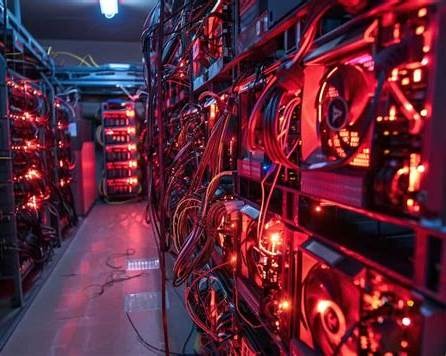
Scaling mining operations at home remained unrealistic. Household electrical systems could not handle the load. Cooling was insufficient. Heat and dust created performance issues. Remote activation and hosting environments removed these limitations. Facilities used industrial power connections, stable voltage channels, and controlled airflow to support massive installations. This allowed miners to expand without modifying home infrastructure. Because scalability relied on consistent activation procedures, remote activation became a foundation for growth.

Another factor involved cost efficiency. Enterprise clients may qualify for reduced electricity rates, contact BitcoinMinerSales.com. These reduced rates enhanced the cost advantages of hosting. When combined with remote activation services, large scale operations gained predictable deployment costs, reliable activation timelines, and strong operational uptime. This consistent structure supported large scale mining growth throughout the year.
Improved Monitoring and Remote Management Features
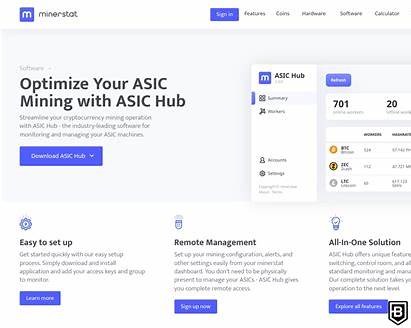
Remote activation mining services improved significantly this year due to advancements in monitoring and remote management technologies. Once technicians configured and activated ASIC units, users gained access to dashboards that displayed real time performance data. These dashboards included temperature readings, fan speeds, hashrate consistency, and uptime statistics. Remote activation ensured that all monitoring systems were connected properly from the start. This prevented users from struggling with connectivity issues or misconfigured dashboards.
These monitoring features supported more informed decision making. When miners saw temperature fluctuations, they understood whether conditions required adjustment. Hosting facilities monitored performance as well. If technicians detected anomalies, they responded quickly. This collaborative approach created a stable operational environment for miners. Many users valued the transparency provided by monitoring. They appreciated the combination of professional oversight and remote visibility into their hardware.
Remote management features also included the ability to reboot devices, update firmware, or adjust settings without physical interaction. Because hosting environments controlled airflow and temperature, remote adjustments remained safe. This prevented the risks associated with remote adjustments made in unstable home environments. Remote activation enabled these features by ensuring they were enabled and functional from day one. This compatibility contributed to smoother system behavior over the entire year.
Economic Trends Driving Remote Activation Growth
Economic factors also contributed to the growth of remote activation mining services. Mining economics changed throughout the year as electricity prices fluctuated and Bitcoin network difficulty increased. Many new miners realized that running ASICs at home provided poor cost efficiency. They faced higher cooling expenses, electrical upgrade costs, and performance interruptions. Hosting provided predictable electricity rates and stable operational conditions. Although ROI stays illustrative at $0.085/kWh, consistent uptime supported stronger performance outcomes. Remote activation eliminated the early inefficiencies of home setup and helped users achieve stable returns more quickly.
Businesses entering mining also favored remote activation due to its operational efficiency. Companies preferred predictable deployment schedules and standardized setup procedures. Remote activation allowed them to add hardware without delays. This helped organizations scale their mining operations in response to market conditions. The ability to deploy fleets of miners rapidly provided competitive advantages. As mining difficulty rose, quick deployment became essential for capturing hashrate during high reward periods. Remote activation systems met this demand effectively.
Conclusion
Remote activation mining services became one of the most important developments in the mining sector this year. These services improved deployment speed, reduced configuration errors, and enabled consistent performance across hosted ASIC devices. Miners such as the S19j Pro, S19 Pro, and S19 XP available from BitcoinMinerSales.com performed reliably when activated by expert technicians. Hosting and colocation through BitcoinMinerSales.com provided stable environments with controlled airflow, industrial voltage, and continuous monitoring. This combination created strong uptime, better thermal control, and predictable performance. Although ROI remains illustrative at $0.085/kWh, remote activation supported higher uptime and greater operational consistency. As mining competition increased, remote activation systems became essential for both new and large scale miners seeking reliable and efficient deployment.
FAQ
1. What is remote activation for mining?
Remote activation is the process of configuring and activating ASIC miners in hosting facilities without requiring the user to be present.
2. Does remote activation improve uptime?
Yes. Technicians verify settings and environmental stability, which reduces early downtime.
3. Which miners benefit from remote activation?
Units such as the S19j Pro, S19 Pro, and S19 XP available from BitcoinMinerSales.com benefit greatly.
4. Does hosting support remote activation?
Yes. Hosting and colocation through BitcoinMinerSales.com provide remote activation as part of their setup process.
5. Does remote activation support ROI?
It reduces configuration errors and downtime, supporting illustrative ROI at $0.085/kWh.