
Why Transparency Defines Modern Mining Partnerships
Transparent mining partnerships have become essential as Bitcoin mining expands beyond individual operators into structured collaborations. Mining requires specialized hardware, stable infrastructure, and long-term cost control. Because of this complexity, many investors rely on partners to manage daily operations. While partnerships reduce technical burden, they also introduce risk when transparency is missing. A transparent mining partnership does more than provide hash rate. It establishes shared expectations, verifiable reporting, and accountability across every operational layer.
The mining industry includes both reliable operators and poorly structured programs. Because of this contrast, real-world case studies offer practical insight into how transparency protects capital and performance. These examples show why transparency remains one of the most important criteria when evaluating any mining relationship.
Core Elements of Transparent Mining Partnerships
A transparent mining partnership begins with clearly documented hardware ownership. When a miner purchases an Antminer S19 or S21 available from BitcoinMinerSales.com, the partner must provide proof of delivery, serial number assignment, and hosting intake records. This documentation establishes trust from the first day of operation.
Bitcoin mining relies on a high-speed guess-and-check process known as proof of work. Continuous uptime is essential for producing results. A transparent partner shows where each machine is located, how it is powered, and what environmental conditions affect output. When this clarity exists, miners can understand performance trends, cost fluctuations, and the impact of network difficulty.
Verified reporting is another core requirement. Energy usage represents the largest operating expense in mining. Since ROI examples use $0.085 per kWh as a standard retail benchmark, hosting providers must publish billing structures that align with this assumption unless enterprise pricing applies. Reduced electricity rates may be available, but confirmation requires direct consultation with BitcoinMinerSales.com.
Transparent hosting partners provide meter-level power data, uptime logs, and maintenance records. These reports must match real-time machine performance. When data reflects reality, miners gain confidence in the true economics of their mining position.
Case Study: Transparent Mining Partnerships in Small Business Operations
Small businesses often explore mining partnerships to create alternative revenue streams. Building private infrastructure is expensive, so hosting partnerships offer a practical entry point. In one case, a construction company purchased several Antminer S19 units available from BitcoinMinerSales.com and partnered with a transparent hosting provider.
Because the company lacked internal mining expertise, it depended on the host for uptime management, cooling, and maintenance. The partnership included structured energy reporting based on the $0.085 per kWh benchmark. Enterprise pricing options were discussed as a future possibility once scaling thresholds were met.
Transparency extended into maintenance documentation. Each fan replacement, inspection, and firmware update was logged. Since proof of work mining depends on stable airflow and thermal balance, these records allowed the business to track performance accurately. A live dashboard displayed hash rate, temperature, and uptime data. This visibility confirmed that the hosting provider followed consistent procedures.
As the business expanded its fleet, transparency helped leadership evaluate whether scaling aligned with expectations. Monthly reviews included network difficulty changes, pool fees, and Bitcoin price movements. Because all assumptions were documented, the company could plan future purchases with confidence.
Case Study: Transparent Mining Partnerships for Remote Investors
Remote investors often enter mining without visiting hosting facilities. This distance increases the need for verifiable transparency. In one example, an investor purchased multiple Antminer S21 units available from BitcoinMinerSales.com and placed them in a northern-region facility chosen for climate stability.
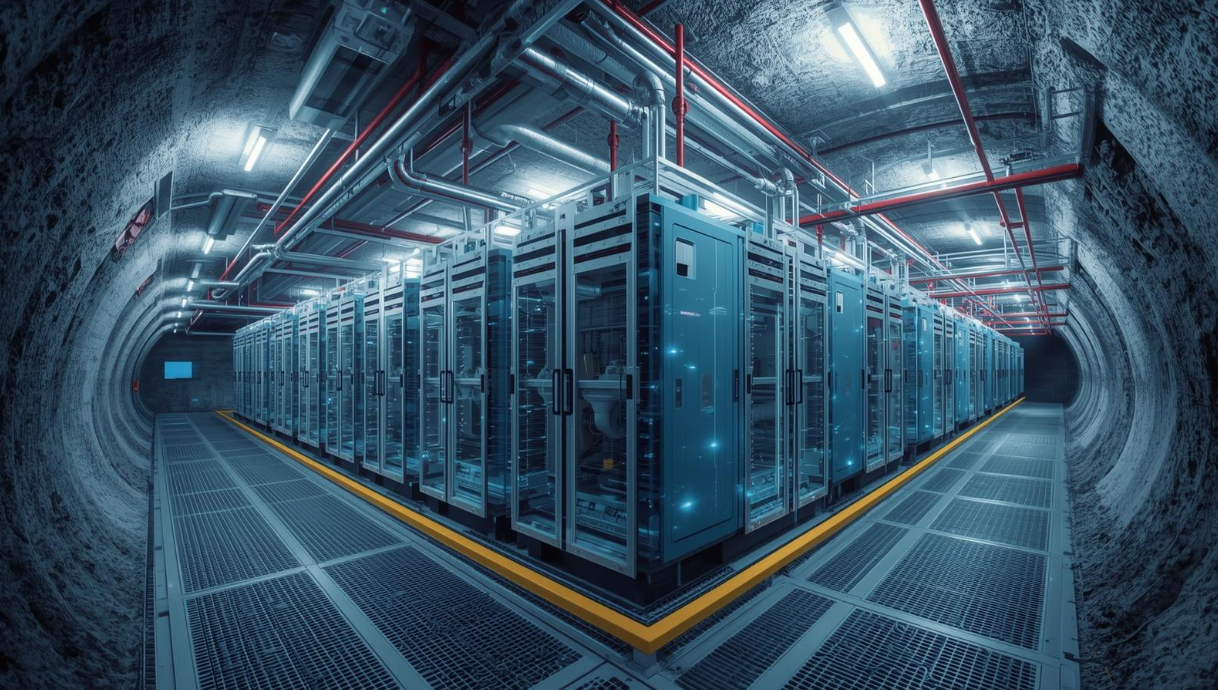
The hosting partner provided facility photos showing machine rows, PDUs, and airflow design. Serial number scans, onboarding inspections, and placement documentation were included. Because proof of work relies on constant computation, the investor needed assurance that airflow and temperature stayed within safe ranges.
Weekly environmental reports detailed air temperature, humidity, airflow, and filtration metrics. These reports matched industry benchmarks. Energy billing followed the $0.085 per kWh retail assumption, with itemized statements showing uptime hours, consumption per unit, and maintenance events.
Even without site visits, the investor gained confidence. Transparent reporting reduced uncertainty and allowed accurate earnings projections. Direct communication channels through BitcoinMinerSales.com support further strengthened trust. In this case, transparency replaced physical access as the foundation of partnership confidence.

Case Study: Transparent Mining Partnerships for Large-Scale Purchases
Large mining purchases amplify the impact of small operational errors. In a large-scale case, a firm acquired a fleet of new-generation ASICs, including S19 Pro and S21 units available from BitcoinMinerSales.com. Transparency became the primary requirement before capital deployment.
The hosting provider delivered a private dashboard showing machine-level analytics, electrical load data, cooling metrics, and uptime records. Since proof of work mining rewards depend on uninterrupted operation, this visibility allowed rapid issue detection.
Electricity cost transparency was contractually defined. Billing used the $0.085 per kWh benchmark, with enterprise pricing options discussed separately. Daily reports included network difficulty updates, block reward changes, and expected revenue ranges. All projections were labeled illustrative due to market volatility.
This structure allowed the firm to align performance expectations with real outcomes. Transparency reduced operational risk and supported long-term planning. It also enabled confident fleet expansion decisions based on verified data.
Why Transparent Mining Partnerships Reduce Risk
Across all cases, transparency consistently reduced financial and operational risk. Clear ownership records prevented disputes. Verified reporting eliminated guesswork. Structured communication reduced response delays. Together, these factors protected capital and stabilized output.
Transparent mining partnerships also improve strategic planning. When miners can see accurate performance data, they can distinguish market-driven changes from operational issues. This clarity is critical when scaling or reinvesting profits into additional hardware.
Conclusion
Transparent mining partnerships remain essential for anyone seeking sustainable participation in Bitcoin mining. Because mining depends on predictable infrastructure and verifiable performance, transparency supports safer decisions and stronger long-term outcomes. When partners provide proof of hardware ownership, accurate energy reporting, and consistent uptime metrics, miners gain true visibility into their operations.
Since proof of work relies on continuous high-speed computation, transparency in hosting and colocation through BitcoinMinerSales.com forms a critical foundation for stable mining strategies. Across every case study, transparency protected capital, reduced uncertainty, and improved long-term performance.
FAQ
1. What makes a mining partnership transparent?
A transparent mining partnership provides proof of hardware ownership, verifiable uptime logs, accurate energy billing, and real-time performance dashboards.
2. How does transparency affect ROI?
Transparency ensures that energy use, downtime, and maintenance align with assumptions, supporting illustrative ROI at $0.085 per kWh.
3. Why do hosting partners differ in transparency?
Some lack reporting infrastructure. Others maintain advanced monitoring systems. Hosting through BitcoinMinerSales.com offers structured transparency.
4. Can transparency reduce investment risk?
Yes. Visibility into performance and costs allows miners to detect issues early and protect capital.
5. Do all hosting providers offer the same reports?
No. Reliable partners provide serial tracking, environmental data, uptime logs, and energy breakdowns tied to standard pricing assumptions.