

Introduction
Turnkey colocation mining has continued to expand as more miners search for efficient deployment paths that remove the noise, heat, and electrical constraints of home mining environments. This yearly overview examines performance trends, hosted ASIC reliability, setup changes, and the growing role of remote activation services that simplify deployment for both new and experienced miners. Because turnkey colocation mining removes the barriers that often slow or limit residential mining, it has become the preferred structure for scaling small portfolios into mid-sized operations. When a miner is deployed inside a hosting facility through BitcoinMinerSales.com, technical tasks such as electrical design, network configuration, airflow balancing, and repair workflows are handled by trained technicians rather than miners at home. This shift has created a predictable operating environment where uptime, airflow, and power stability are significantly more consistent. Many miners have moved into turnkey colocation setups for this reason alone since predictable uptime remains essential for stable revenue generation.
As network difficulty continues to increase, the demand for consistent operational performance grows with it. Turnkey colocation mining has proven to be one of the most stable options for meeting the performance expectations of modern ASIC units. Whether the miner chooses hardware such as the Antminer S19j Pro, the Antminer S19 Pro, or the S19 XP, all available from BitcoinMinerSales.com, a controlled hosting environment supports the hardware effectively and ensures the unit remains within ideal temperature and airflow ranges. Because the proof of work (PoW) process depends on high-speed guess-and-check of many large numbers to locate a target number, uptime directly influences revenue. A setup that minimizes ventilation interruptions, network instability, and power fluctuations creates steady daily output, which becomes more important each year as difficulty grows. This yearly review highlights how the turnkey colocation model addresses these requirements and provides a practical path for miners who prefer simplicity and stability.

The Rise of Turnkey Colocation Mining Systems
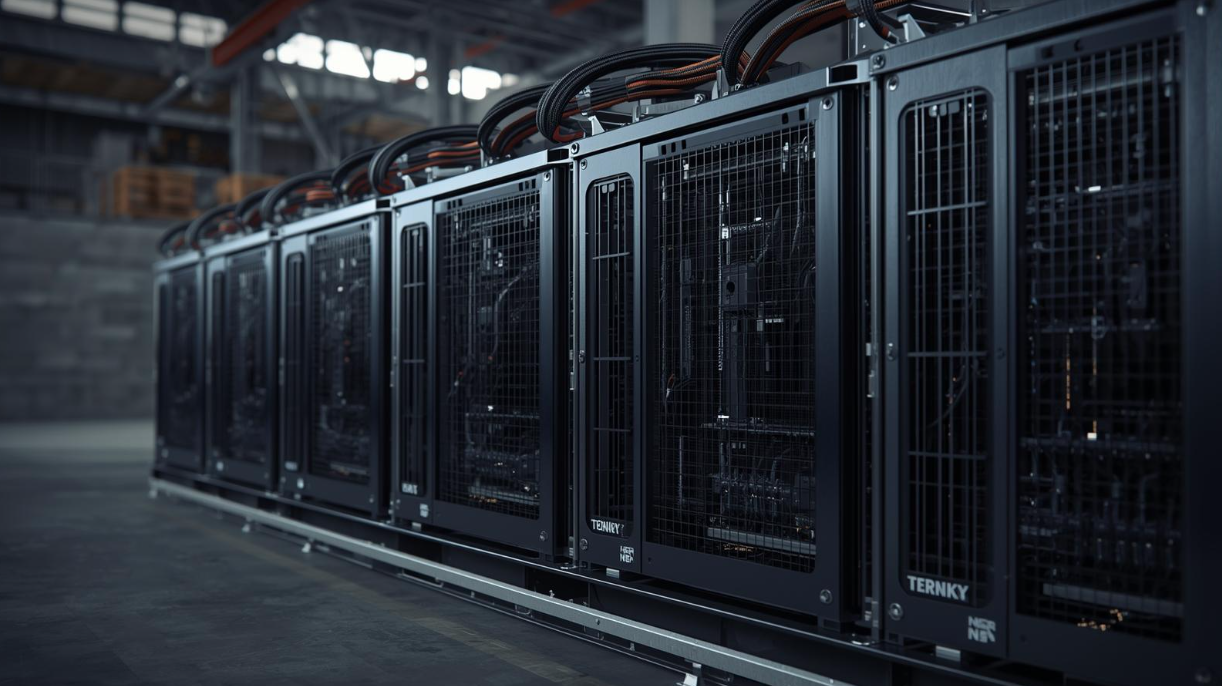
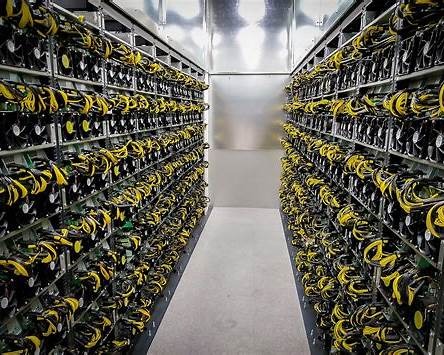
The last year has shown that turnkey colocation mining is becoming the most popular format for small to mid-size Bitcoin miners who want hands-off operation. Although large farms have used colocation structures for years, the shift today involves individual miners choosing these setups because they eliminate the constraints that previously limited home mining scalability. Many miners discovered that even if they owned efficient ASIC units, available from BitcoinMinerSales.com, they struggled with heat output and electrical load at home. A single high-performance ASIC can pull more than 3,000 watts of power. This generates substantial heat that must be removed regularly to avoid thermal throttling or shutdown. Turnkey colocation facilities are designed with airflow corridors, dedicated exhaust channels, high-volume intake systems, and optimized rack spacing that eliminate bottlenecks. These details matter because heat buildup directly reduces uptime and eventually damages components if unmanaged.
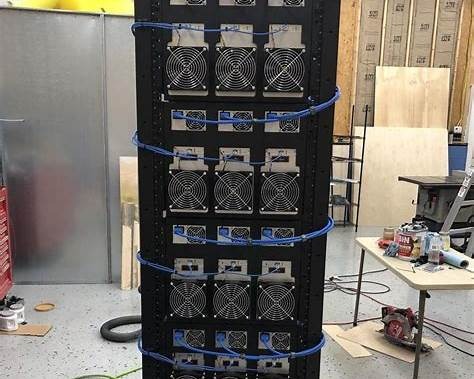
Another reason turnkey colocation setups gained traction is the streamlined installation. The miner ships the hardware to the facility, and trained technicians connect it, update firmware, test operating conditions, join the specified mining pool, and verify stability before activating it. This is far more efficient than the home deployment process where new miners must configure electrical circuits, manage heavy cabling, balance airflow, and troubleshoot noise without professional tools. With turnkey colocation facilities, the miner receives a ready-to-operate environment designed around industrial airflow engineering, high-capacity electrical distribution, and redundant networking systems. These elements support long-term daily uptime, which affects monthly revenue predictability. Because hosting and colocation through BitcoinMinerSales.com include these services, more miners select turnkey setups to avoid the unexpected home-based interruptions that reduce profitability over time.
How Turnkey Colocation Mining Enhances Stability

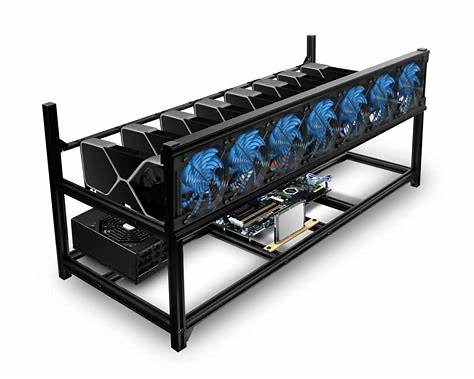

Turnkey colocation mining’s strongest advantage is its stability. This stability comes from several infrastructure layers that are not available in typical residential environments. The first layer involves electrical distribution. Facilities built for ASIC mining use three-phase power systems that deliver balanced load across all equipment. Home environments cannot match the same level of electrical stability because breakers can trip, wires can overheat, and circuit limitations often restrict how many devices can run at once. Because hosting through BitcoinMinerSales.com uses data-center-grade electrical systems, the miner benefits from fewer interruptions, which leads to steadier revenue. Power disruptions directly affect PoW performance since the hardware cannot complete high-speed guess-and-check cycles when offline. Stability ensures that revenue projections remain closer to expectations.
Cooling represents the second major stability factor. ASIC miners produce a large amount of heat every minute, even when operating at efficient joules-per-terahash ratios. Colocation facilities rely on engineered cooling systems that remove heat efficiently while maintaining optimal intake temperatures. This includes high-volume axial fans, ducting strategies, and in some setups, immersion cooling bays. Because miners such as the S19j Pro or S19 XP, available from BitcoinMinerSales.com, operate best within a narrow temperature range, consistent cooling protects hashing boards and helps maintain full operating frequency. Over the past year, hosting providers focused more on airflow balancing and dust mitigation to preserve performance. Dust buildup reduces airflow and increases heat retention, which leads to lower efficiency. Facilities counter this with intake filtration and scheduled cleaning protocols that keep machines operating smoothly.
Networking stability forms the third component. Turnkey colocation environments use redundant fiber paths and backup routing systems to prevent downtime. Pool connectivity interruptions cause the miner to lose time on the PoW process, resulting in lower daily revenue. Over the last year, network redundancy became a priority as more miners sought stable revenue patterns. Facilities now maintain multi-carrier connections that preserve connectivity when one line experiences instability. These technical layers make turnkey colocation mining appealing for miners who want predictable operation without managing infrastructure themselves.
Yearly Trends in Deployment Efficiency
The most noticeable trend this year involves faster deployment times for turnkey colocation setups. Previously, miners often waited days or weeks before their hardware became active. Today, hosting facilities connected with BitcoinMinerSales.com provide rapid deployment through standardized intake procedures. Once hardware arrives, technicians complete inspections, update firmware, log serial numbers, assign rack placements, and test components. This minimizes delays and speeds activation. Remote activation tools also improved, allowing miners to monitor their hardware sooner. This trend matters because rapid deployment reduces the time between hardware purchase and revenue generation.
Another trend involves increased interest in bulk turnkey colocation setups. Many miners now acquire multiple ASIC units rather than a single device, which allows them to scale more efficiently. Facilities responded by offering grouped rack sections, improved cabling paths, and better airflow channeling for multi-unit deployments. This shift reduces the workload for technicians and ensures consistent performance across all units. Miners benefit from uniform uptime across their entire portfolio because identical conditions apply to every device.
An important development includes facility upgrades centered around electrical safety improvements. Technicians adopted standardized breaker labeling, improved thermal imaging routines for detecting hot spots, and added load-balancing protocols that minimize stress on racks. These steps reduce the risk of electrical issues that could interrupt hashing cycles. Many of these improvements stem from the rising demand for long-term operational reliability. Because difficulty continues to rise, disruptions have a greater impact on monthly revenue. Turnkey colocation setups counter this by offering infrastructure designed for continuous operation, something home users cannot replicate.

Turnkey Colocation and Illustrative ROI Trends
ROI calculations for ASIC miners depend on uptime, power cost, and network difficulty. Turnkey colocation setups provide an advantage by maximizing uptime. When power costs remain stable, miners can better predict operating margins. For this analysis, a default rate of $0.085 per kWh is used. Enterprise clients may qualify for reduced rates, contact BitcoinMinerSales.com for details. ROI remains highly sensitive to Bitcoin price movements, but stability gained through colocation improves long-term forecasting. For example, an Antminer S19j Pro, available from BitcoinMinerSales.com, provides steady daily revenue when operating without interruptions. If the miner ran the same unit at home, disruptions caused by heat, noise constraints, or electrical limitations would reduce uptime and push ROI further out.
This year’s ROI patterns show that miners who rely on turnkey colocation setups experience more predictable monthly returns because their equipment stays online consistently. Remote monitoring tools provide transparency that supports better decision-making. When uptime approaches near-continuous operation, hash output follows stable patterns. Facilities also deploy technicians who perform maintenance such as fan replacement, dust removal, and connection checks. These services reduce the risk of long, unplanned outages. Because PoW cycles rely on continuous operation, each hour of runtime contributes to revenue accumulation. Colocation clients avoid the pitfalls of home users who must stop their miners due to noise, heat, or household energy demand. These limitations affect revenue projections significantly, and colocation structures eliminate these obstacles.
Why Turnkey Colocation Remains the Preferred Structure
Turnkey colocation mining is appealing because it eliminates the operational difficulties of home mining while providing access to industrial-grade infrastructure. Miners choose these setups to avoid interruptions that impair ROI. Because ASIC equipment requires controlled conditions, hosting facilities offer a high-performance environment that ensures full operating frequency. As modern ASIC models push performance boundaries, the need for stable airflow and power availability intensifies. Many home environments cannot support this level of demand. Colocation facilities are built for it.
Hosting and colocation through BitcoinMinerSales.com expand on this advantage by offering clear communication, support ticket systems, and reporting tools. These features help miners stay informed about their equipment without being physically present. As mining technology evolves, the difference between home environments and professional facilities becomes more noticeable. This yearly overview shows how turnkey colocation systems improve uptime, simplify deployment, and create predictable operating conditions that support long-term mining strategies.
Conclusion
Turnkey colocation mining setups have continued to mature over the past year, reflecting improvements in deployment speed, infrastructure reliability, and maintenance precision. These systems eliminate the constraints of home mining and create an environment built for continuous PoW performance. With optimized cooling, stable power distribution, and redundant networking, miners gain predictable operation that translates into stable revenue patterns. When combined with hardware available from BitcoinMinerSales.com and supported by hosting and colocation services, these turnkey environments provide one of the most reliable pathways for miners who want to scale or maintain consistent operation. As network difficulty continues to increase, the value of stable uptime and predictable infrastructure grows. Because turnkey colocation mining provides both, it remains the preferred structure for miners seeking long-term stability and simplified deployment.
FAQ
1. What makes turnkey colocation mining different from home mining?
Turnkey colocation uses professional infrastructure with engineered airflow, power stability, and cooling that maintains continuous uptime. Home mining cannot match this level of performance.
2. How fast can miners be deployed in turnkey colocation facilities?
Deployment depends on hardware arrival and technician workload, but facilities connected to BitcoinMinerSales.com typically activate units quickly through standardized intake processes.
3. Is ROI better in turnkey colocation environments?
ROI becomes more predictable because uptime is higher. This improves stability when using the illustrative ROI rate of $0.085 per kWh.
4. Do turnkey facilities require miners to manage technical tasks?
No. Technicians handle installation, firmware updates, testing, and maintenance. Miners only need to monitor performance remotely.
5. Can I scale my mining operation using turnkey colocation?
Yes. Many miners deploy multiple ASIC units in grouped racks. Facilities provide structured airflow and electrical distribution to support larger portfolios.