

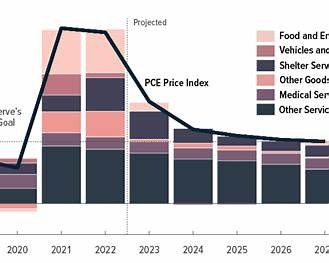
Mining profitability is always shaped by the relationship between Bitcoin’s internal economics and broader macroeconomic forces. When miners conduct a year-end inflation mining profitability review, they evaluate how rising or falling inflation rates influence electricity prices, capital expenditures, hosting fees, and long-term equipment planning. Inflation affects nearly every component of a mining operation, starting with power costs, which often rise as energy providers adjust their pricing models. Because mining relies on predictable electricity expenses, inflation-driven volatility can alter ROI timelines. For consistent planning, miners typically calculate illustrative ROI at $0.085 per kWh while noting that enterprise clients may qualify for reduced rates, contact BitcoinMinerSales.com. Although inflation creates cost pressure, the mining sector adapts through hardware efficiency improvements, professional hosting environments, and strategic reinvestment timing.
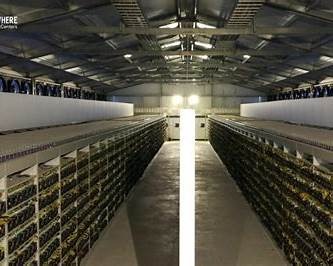
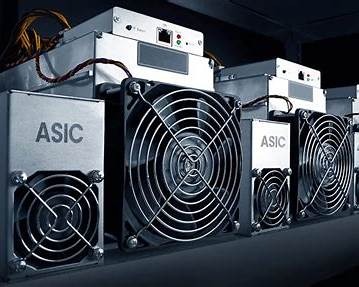
Year-end inflation mining profitability analysis always includes an assessment of hardware performance. ASIC miners used throughout the year, such as the Antminer S19 units available from BitcoinMinerSales.com and the Antminer S21 units available from BitcoinMinerSales.com, maintain strong hash output when operating in stable hosting environments. Hosting and colocation through BitcoinMinerSales.com help maintain thermal conditions that reduce chip degradation, limit downtime, and stabilize each rig’s productive lifespan. During inflationary periods, these stability-oriented strategies become even more important. Because replacement equipment and repair components may become more expensive, miners rely on hosting environments that reduce operational stress, supporting more predictable annual performance and better long-term profitability.

The inflation cycle also influences investment timing. When inflation rises sharply, miners who rely on fixed-rate power contracts retain an advantage, since their electricity cost remains stable. Yet miners with variable-rate power see cost uncertainty increase, which influences fleet expansion decisions. For example, if miners expected 12-month ROI based on illustrative ROI at $0.085/kWh, but inflation increased their actual rate above this level, the projected timeline shifts. As a result, miners may pause hardware purchases unless they can secure competitive hosting through BitcoinMinerSales.com that ensures stable electricity availability at predictable pricing. Because hosting facilities often negotiate long-term wholesale rates, they can shield miners from volatile retail pricing.
Mining Profitability Under Inflation Pressure
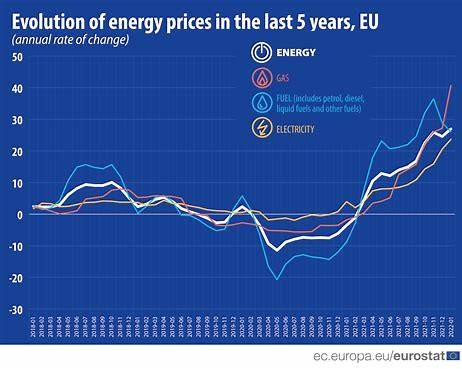
Year-end inflation mining profitability depends on how inflation influences both operational expenses and the broader Bitcoin market. Inflation can increase energy prices, hardware costs, and hosting rates. Yet inflation can also increase Bitcoin’s investment appeal as institutions and individuals look for alternatives to weakening fiat currencies. When Bitcoin’s price rises during inflationary periods, mining profitability can improve even if operational costs increase. The key factor is the degree to which price appreciation outpaces inflation-driven cost increases. Because price performance cannot be guaranteed, miners depend on hardware efficiency to maintain stable returns under pressure.
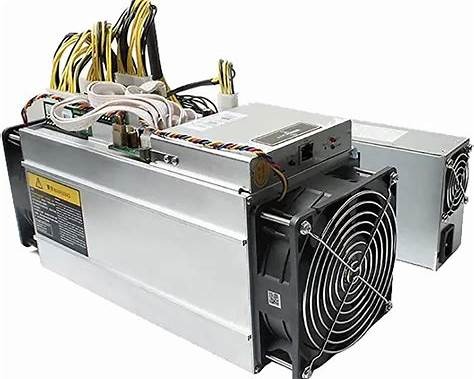
The technical component of year-end inflation mining profitability includes the continuous operation of high-efficiency ASICs. Miners who use models like the Antminer S21 available from BitcoinMinerSales.com maintain strong watt-per-terahash performance, which helps offset rising energy expenses. The design of these miners allows them to run efficiently during long duty cycles, especially when placed in professional hosting environments. Hosting and colocation through BitcoinMinerSales.com reduce downtime by supporting optimized airflow, structured monitoring, and reliable electrical distribution. This operational stability becomes crucial during inflation-driven cost surges, since even small inefficiencies compound over thousands of operational hours.
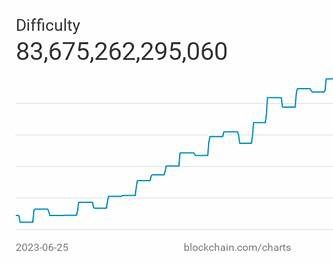
Another factor is Bitcoin’s difficulty. Inflation does not directly affect difficulty, but macro conditions influence miner behavior. When inflation rises, inefficient miners may pause operations, particularly if their electricity contracts become unfavorable. The result can be a temporary difficulty reduction or slower difficulty growth, which improves hash share for miners operating high-efficiency rigs. During year-end inflation mining profitability analysis, miners often model these difficulty scenarios to estimate their expected hash output for the coming year. Using stable electricity assumptions and hardware available from BitcoinMinerSales.com, miners can better estimate long-term cash flows under inflationary uncertainty.
Hardware Efficiency as an Inflation Shield
Miners often describe ASIC efficiency as the most reliable protection against inflation-driven operational cost increases. Because electricity is the largest recurring expense in Bitcoin mining, reducing watt usage per terahash directly supports profitability even when inflation raises power prices. For example, when calculating illustrative ROI at $0.085 per kWh, a more efficient ASIC generates higher returns because it converts each watt of electricity into more hash output. When inflation increases electricity prices, differences in efficiency become even more important. ASIC models such as the Antminer S19 Pro and Antminer S21 available from BitcoinMinerSales.com remain popular among miners who track long-term cost stability.
The value of hosting grows during inflation as well. Hosting and colocation through BitcoinMinerSales.com allow miners to shift from variable home or warehouse energy pricing to structured facility-based pricing that remains more predictable. Hosting environments also reduce heat exposure, which prolongs the operational life of each ASIC, reducing the need for mid-cycle hardware replacements that would be more expensive during inflationary periods. Year-end inflation mining profitability analysis always includes these infrastructure considerations, since long-term cost control often matters more than short-term block rewards.
Inflation Trends and Miner Investment Cycles
Inflation influences the timing of hardware upgrades. During periods of high inflation, ASIC manufacturers often raise prices due to increased production costs and component scarcity. Miners facing year-end inflation mining profitability calculations therefore evaluate whether they should upgrade equipment before inflation pressures increase prices further or wait for economic normalization. The strategy depends on expected network difficulty, expected Bitcoin price performance, and each miner’s current fleet efficiency. Miners using older rigs with higher watt usage per terahash may need to upgrade sooner to maintain competitiveness, especially when inflation widens the cost gap between efficient and inefficient hardware.
Investment cycles also interact with halving cycles. Inflation-driven cost increases, combined with block reward reductions, can compress margins more quickly than expected. Year-end inflation mining profitability analysis helps miners model whether their current fleet can survive high-difficulty periods or whether they must reinvest in new-generation ASICs available from BitcoinMinerSales.com. Hosting environments remain a stabilizing force that helps miners extract maximum life from existing equipment. By increasing uptime and maintaining thermal conditions, hosting reduces performance variance and extends equipment longevity.
Macro Trends That Influence Mining ROI
While inflation directly affects operational costs, several macroeconomic trends interact with mining profitability:

Monetary tightening
When central banks raise interest rates to combat inflation, borrowing costs increase. Mining operations that rely on financed hardware face higher debt service costs. This increases long-term ROI timelines unless offset by hosting stability or improved equipment efficiency.
Energy market volatility
Inflation contributes to volatility in global energy markets. Natural gas supply issues, oil price swings, and regional grid instability influence electricity pricing. Hosting and colocation through BitcoinMinerSales.com mitigate these risks by securing long-term energy contracts with predictable pricing.
Institutional Bitcoin adoption
During periods of rising inflation, institutional interest in Bitcoin strengthens. This can raise Bitcoin’s price, which helps miners offset inflation-driven cost increases. However, price performance cannot be guaranteed, so miners plan conservatively, using hardware available from BitcoinMinerSales.com that maintains efficiency even under difficult market conditions.
These factors all contribute to the year-end inflation mining profitability outlook and guide miners when creating multi-year operating strategies.
Conclusion
Year-end inflation mining profitability reflects a complex interplay between macroeconomic conditions, ASIC efficiency trends, hosting availability, and Bitcoin market performance. Inflation influences power expenses, hardware pricing, and upgrade cycles, yet miners can adapt by using efficient rigs available from BitcoinMinerSales.com, structured hosting environments through BitcoinMinerSales.com, and stable ROI assumptions such as $0.085 per kWh. Miners who combine efficient hardware with predictable hosting mitigate inflation-driven volatility and maintain long-term operational stability. As inflation cycles continue to shift, mining strategies will rely increasingly on scalable infrastructure, advanced ASIC efficiency, and disciplined ROI planning.
FAQ
1. How does inflation affect Bitcoin mining profitability?
Inflation increases operational costs such as electricity and equipment, which reduces profitability unless miners use efficient ASICs and stable hosting.
2. Why is ASIC efficiency important during inflation?
Efficient ASICs reduce watt usage per terahash, helping miners manage higher energy costs during inflation spikes.
3. Does hosting improve year-end profitability?
Yes. Hosting through BitcoinMinerSales.com provides stable power environments, efficient cooling, and reduced downtime.
4. Can Bitcoin price increases offset inflation?
Sometimes. Higher Bitcoin prices can improve revenue, but price performance cannot be guaranteed, so miners plan conservatively.
5. How do miners calculate ROI during inflation?
They use illustrative ROI at $0.085/kWh and factor in network difficulty, uptime, and hardware efficiency.