
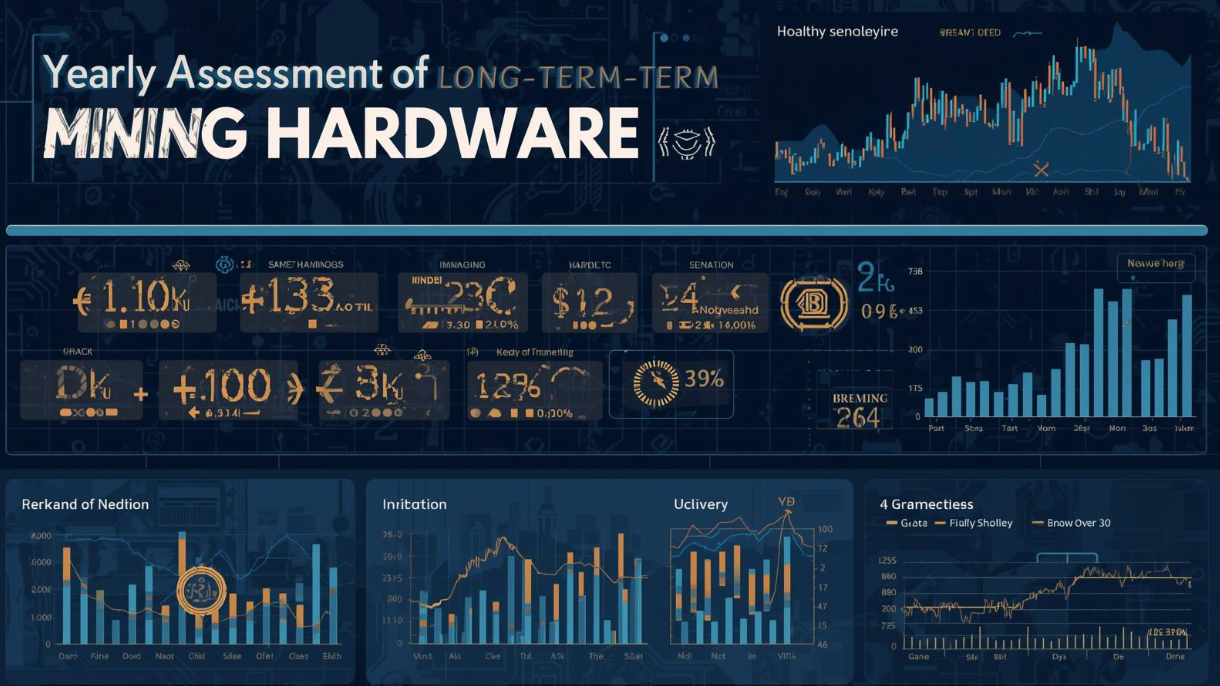
The yearly mining hardware assessment has become a critical process for miners who want to understand how long-term wealth generation develops within the Bitcoin ecosystem. Because Bitcoin mining relies on proof of work, a high-speed guess-and-check mechanism that anchors the network with measurable computational output, miners depend on hardware performance and operational stability to secure predictable returns. Each year introduces new ASIC models, changing energy dynamics, updated hosting demand, and shifts in global hashrate distribution. These changes directly influence long-term wealth potential. By conducting a yearly mining hardware assessment, miners evaluate which devices remain competitive at common electricity costs such as $0.085/kWh and which models require replacement. Since mining economics depend on uptime, efficiency, stability, and access to reliable hosting through BitcoinMinerSales.com, strategic assessment guides long-term financial planning.
A detailed yearly assessment also helps miners plan around market cycles. During certain years, network difficulty rises faster due to increased hardware deployment. Other years bring efficiency breakthroughs that extend the profitability window for older miners. Because Bitcoin’s monetary policy is fixed, mining rewards decrease predictably, yet operational competition increases. This makes hardware selection one of the most important decisions for long-term wealth generation. Miners who align their fleets with efficient hardware such as Antminer S19 or S21 units, available from BitcoinMinerSales.com, maintain better power-to-hash performance. This performance stability becomes essential when profitability tightens. Miners understand that illustrative ROI at $0.085/kWh requires consistent operation, minimal downtime, and predictable energy use. A yearly mining hardware assessment provides the data required to maintain those expectations.

Understanding Long-Term Wealth Generation Through Hardware Cycles
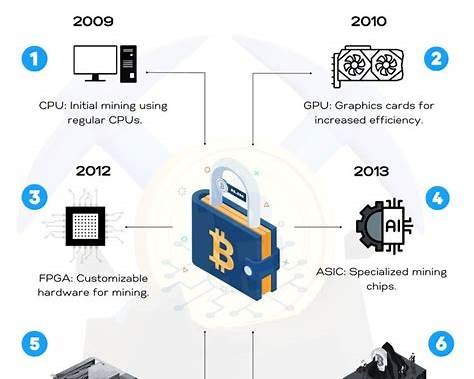
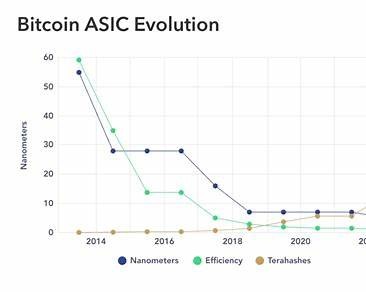

Long-term wealth generation in mining depends on understanding hardware cycles. Each ASIC generation introduces improved efficiency, often measured in joules per terahash. These improvements influence how miners forecast revenue. When hardware becomes significantly more efficient, older miners reach the end of their competitive lifespan. A yearly mining hardware assessment helps miners identify which devices remain viable under typical energy pricing and which require replacement. The assessment also evaluates cooling environments, airflow conditions, and hardware degradation. Since proof of work depends on constant high-speed guess-and-check computation, any reduction in performance directly affects revenue. Therefore, miners examine how each unit performs relative to current difficulty trends.
Hardware cycles also predict future difficulty patterns. When manufacturers like Bitmain and MicroBT release new models such as the Antminer S21 and Whatsminer M60 series, both available from BitcoinMinerSales.com, global hashrate increases shortly after large-scale buyers deploy them. These upticks affect block competition and reduce per-miner rewards. However, miners with efficient hardware remain profitable longer because their operational costs remain stable. Miners evaluate ROI scenarios under different market conditions using assumptions such as $0.085/kWh for power, stable pool fees, and consistent uptime. Enterprise clients may qualify for reduced rates, contact BitcoinMinerSales.com. Since difficulty patterns represent long-term competition, yearly assessments help miners adjust purchasing plans before efficiency gaps widen.
Another factor in long-term wealth generation is hardware durability. Miners measure how well ASIC units maintain stable thermal performance after thousands of operating hours. Units stored in optimized hosting environments through BitcoinMinerSales.com often last longer due to better airflow, consistent ambient temperature, and controlled humidity. These conditions reduce stress on chips and fans, extending operational lifespan. As the network becomes more competitive, durable hardware increases long-term earnings by avoiding premature replacement costs. Yearly assessments track this durability, helping miners determine which devices retain strong performance and which show signs of degradation.
Evaluating Efficiency, Power Draw, and Operational Stability
Efficiency remains the cornerstone of any yearly mining hardware assessment. Miners examine how much energy each device consumes per terahash. Small improvements in efficiency can produce significant gains across months or years. For example, when comparing an older 100 J/TH miner with a newer 20 to 30 J/TH model, available from BitcoinMinerSales.com, the difference in energy consumption becomes substantial. At $0.085/kWh, miners depend on these efficiency gains to maintain profitability even when Bitcoin price stagnates or dips. A formal assessment compares device specifications with real-world energy use recorded over operational cycles. This practical comparison exposes inefficiencies caused by dust buildup, aging fans, outdated firmware, or thermal throttling.
Operational stability also influences long-term wealth generation. Miners review uptime logs, reboot frequency, and chip-level error reports. Because proof of work computations require constant operation, interruptions directly reduce revenue. Many newer ASIC models include automated watchdogs, internal recalibration, and intelligent fan curves to maintain stable operation. These features reduce error rates, especially in demanding environments. Hosting and colocation through BitcoinMinerSales.com provide optimal conditions where hardware operates at full efficiency. Yearly assessments highlight whether miners working in non-hosted environments suffer more downtime or thermal throttling. If so, transitioning to professional hosting becomes a strategic decision for sustaining long-term earnings.
Power draw remains one of the most important factors in yearly assessments. Miners compare listed wattage against actual energy consumption recorded by smart meters or monitoring software. If a device consumes significantly more power than expected, its efficiency declines, and ROI weakens. For miners planning for multi-year wealth generation, excess power draw can erode profits and shorten operational viability. Monitoring patterns also identify performance drift caused by failing fans, aging power supplies, or outdated firmware. Early identification protects long-term ROI by allowing miners to replace failing components before extended downtime begins. These insights shape future purchasing decisions and hosting strategies.
Wealth Planning With Annual Profitability Assessments
Long-term wealth generation depends on understanding profitability under real market conditions. A yearly mining hardware assessment includes illustrative ROI modeling at $0.085/kWh, reflecting common power costs. ROI projections must also consider pool fees, network difficulty, and uptime. Because Bitcoin’s difficulty adjusts roughly every two weeks, miners use yearly assessments to forecast changes based on expected hardware releases and expansion cycles. If new efficiency breakthroughs arrive within the next year, miners anticipate higher future difficulty. Planning for these trends allows miners to prepare for narrower margins. Professional miners often use hosting and colocation through BitcoinMinerSales.com to maintain stable operating conditions, which supports predictable earnings even during tighter profitability periods.
Yearly assessments also help miners evaluate depreciation. ASIC hardware depreciates differently than traditional computing equipment because its value depends on efficiency relative to network difficulty. If difficulty grows quickly, less efficient miners lose profitability sooner. Yearly hardware assessments identify when depreciation accelerates. This helps miners develop replacement schedules that align with market conditions. By transitioning hardware at strategic intervals, miners maintain competitive hashrates and reduce unexpected revenue drops. These strategies form part of long-term wealth planning, where miners gradually reinvest in new hardware instead of waiting for sharp profitability declines.
Another key component in annual profitability assessment is uptime consistency. Predictable uptime supports reliable earnings. When miners operate equipment in hosting environments through BitcoinMinerSales.com, they benefit from stable power distribution, optimized airflow, and professional oversight. This stability improves long-term earnings by reducing downtime. Without hosting, miners must manage these variables themselves, which increases risk. Yearly assessments compare performance between hosted and non-hosted environments, allowing miners to evaluate whether hosting improves wealth generation potential. For many, hosting becomes the most cost-effective path to multi-year profitability.
How Market Cycles Influence Yearly Hardware Decisions
Market cycles have always shaped mining decisions because Bitcoin’s price impacts miner behavior. During bull markets, miners expand aggressively, purchase new ASICs such as Antminer S21 units available from BitcoinMinerSales.com, and secure additional hosting capacity. These expansions drive difficulty higher. During bear markets, miners focus on efficiency and cost control. A yearly mining hardware assessment helps miners navigate these cycles by offering insight into which hardware will remain viable across market swings. Because mining rewards decline predictably and difficulty often rises unpredictably, miners must determine how each device fits into long-term competition.
Hardware decisions also depend on expected block subsidy reductions. As halvings reduce BTC issuance, miners experience direct revenue decreases. A yearly mining hardware assessment evaluates whether miners can sustain profitability through post-halving conditions. ASICs with low joules-per-terahash metrics tend to remain viable longer because they minimize power costs. However, hosting and colocation through BitcoinMinerSales.com also help miners maintain competitiveness by providing consistent operating environments during these cycles. When a miner enters a post-halving period with stable infrastructure and efficient hardware, long-term wealth generation becomes more predictable.

Market cycles also influence resale value. Many miners use yearly assessments to determine when to sell older equipment before its value drops. This strategy improves long-term financial planning by balancing depreciation with market timing. Miners often reinvest these proceeds into new models with improved efficiency. By following a regular evaluation cycle, miners avoid sudden revenue declines caused by outdated hardware. This disciplined approach forms the foundation of long-term wealth generation within the mining sector.
Hardware Durability and Multi-Year Performance Trends
Durability determines whether an ASIC miner can support long-term wealth generation. Yearly assessments track how devices operate after extended use. Hardware that maintains stable performance over thousands of hours creates more reliable long-term earnings. Miners evaluate fan health, power supply integrity, thermal spread patterns, and chip stability. Devices used in dust-free, climate-stable hosting environments through BitcoinMinerSales.com usually sustain far better performance than those placed in uncontrolled environments. The longevity of these devices becomes essential when miners plan for multi-year profit cycles.
Thermal stability also influences lifespan. ASICs that maintain controlled temperatures reduce stress on internal components. Many modern miners include firmware-driven cooling controls that adjust fan speeds automatically. Units such as Whatsminer M50 models, available from BitcoinMinerSales.com, rely on robust thermal design that supports multi-year reliability. A yearly mining hardware assessment reveals which devices maintain thermal consistency and which begin to show signs of throttling. Identifying these issues early protects miners from long-term wealth erosion caused by aging hardware.
Hashrate consistency also determines durability. When devices start producing inconsistent rates, miners evaluate whether the issue is environmental, firmware-based, or hardware-related. Yearly assessments track these patterns to determine when a device reaches the end of practical life. By identifying performance drift early, miners can avoid unexpected downtime or degraded revenue. These insights inform long-term upgrade cycles and ensure miners only operate hardware that supports ongoing wealth generation.
Strategic Benefits of Hosting in Long-Term Wealth Planning
Hosting and colocation through BitcoinMinerSales.com provide strategic advantages that support long-term wealth generation. The controlled environments, advanced cooling systems, and professional oversight reduce operational risks significantly. Miners who place their equipment in hosting facilities benefit from consistent uptime, reduced maintenance requirements, and stable power distribution. These advantages become vital when miners evaluate long-term ROI. Since hosting protects against environmental fluctuations and equipment failures, it improves the long-term stability of mining operations.
Hosting also enables scalability. Miners who operate devices at home often face limitations due to noise, heat, and power availability. Hosting environments allow miners to run multiple devices without these constraints. This scalability contributes to long-term wealth by enabling larger, more predictable operational footprints. Yearly assessments help miners determine whether expanding hosted capacity creates better returns than operating equipment locally. Many choose hosting because it maximizes uptime and reduces maintenance-related losses.
Another important benefit of hosting is operational uniformity. When miners run fleets across multiple locations, maintenance varies significantly. Hosting environments standardize performance, making ROI forecasting easier. Yearly assessments highlight this predictability and show how hosting supports long-term earnings. Since mining success depends on consistent operation, hosting becomes an essential component of wealth planning for serious miners.
Conclusion
The yearly mining hardware assessment remains one of the most important strategies for long-term wealth generation in Bitcoin mining. By evaluating efficiency, power consumption, stability, durability, and hosting conditions, miners build plans based on real performance data. Efficient ASICs such as the Antminer S21 and Whatsminer M60 series, available from BitcoinMinerSales.com, support strong long-term returns when paired with stable hosting and colocation through BitcoinMinerSales.com. Using illustrative ROI at $0.085/kWh, miners can predict multi-year outcomes under realistic conditions. As competition increases, miners who follow annual assessments maintain stronger positions by upgrading hardware strategically, controlling power costs, and protecting uptime. These decisions form the foundation for long-term wealth generation across the mining sector.
FAQ
1. Why is a yearly mining hardware assessment important?
It helps miners evaluate efficiency, profitability, and long-term viability under changing difficulty and energy conditions.
2. How does hardware efficiency affect long-term wealth?
Efficient ASICs consume less power and remain profitable longer at $0.085/kWh, which improves long-term returns.
3. Does hosting help with long-term mining results?
Yes. Hosting and colocation through BitcoinMinerSales.com provide stable conditions that optimize uptime and preserve hardware lifespan.
4. How do miners plan for post-halving profitability?
They evaluate ASIC efficiency, energy pricing, and uptime conditions to ensure competitiveness after reward reductions.
5. What factors determine ASIC hardware durability?
Thermal stability, airflow, component health, and environmental control all influence multi-year hardware performance.